
As the demand for sustainable living grows, many homeowners are exploring ways to reduce their environmental impact and energy bills. Two popular concepts—net-zero homes and energy efficient homes—are often discussed, but they are not the same. Understanding the differences between these approaches is essential for anyone considering a greener lifestyle or planning a new build or renovation.
This article breaks down the distinctions between these two types of homes, covering their definitions, features, benefits, and what it takes to achieve each. Whether you are just starting to research or are ready to make your home more sustainable, knowing the nuances between a net-zero home and an energy efficient home will help you make informed decisions.
For a deeper dive into the standards that define carbon-neutral buildings, see net-zero building standards explained.
Defining Net-Zero and Energy Efficient Homes
The terms net-zero home and energy efficient home are sometimes used interchangeably, but they refer to different levels of performance and sustainability.
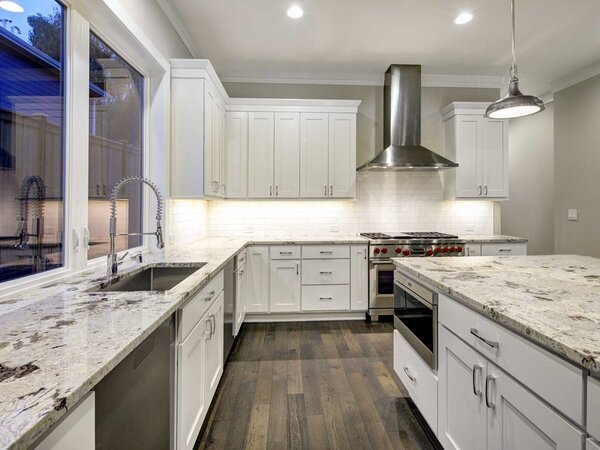
- Energy efficient homes are designed or upgraded to use less energy than typical houses. This is achieved through better insulation, high-performance windows, efficient appliances, and smart design choices that reduce heating, cooling, and electricity needs.
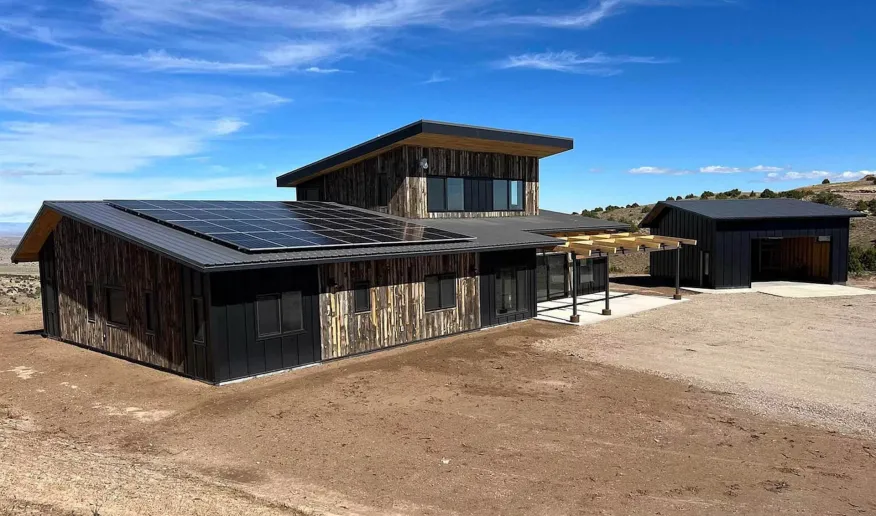
- Net-zero homes go a step further. These residences not only minimize energy consumption but also produce as much renewable energy (usually via solar panels) as they consume over the course of a year. The result is a home with zero net energy consumption from the grid.
In short, all net-zero homes are energy efficient, but not all energy efficient homes reach net-zero status.
Core Features of Energy Efficient Homes
An energy efficient home focuses on reducing energy waste and maximizing comfort. Key features often include:
- High-quality insulation in walls, roofs, and floors
- Double or triple-pane windows with low-emissivity coatings
- Air sealing to prevent drafts and leaks
- Efficient heating, ventilation, and air conditioning (HVAC) systems
- LED lighting and ENERGY STAR-rated appliances
- Smart thermostats and energy monitoring devices
These improvements can be implemented in both new constructions and renovations, making energy efficiency accessible to a wide range of homeowners.
What Sets Net-Zero Homes Apart?
Achieving net-zero status requires a comprehensive approach that combines energy efficiency with renewable energy generation. The main characteristics of these homes include:
- Ultra-efficient building envelope and systems to minimize energy demand
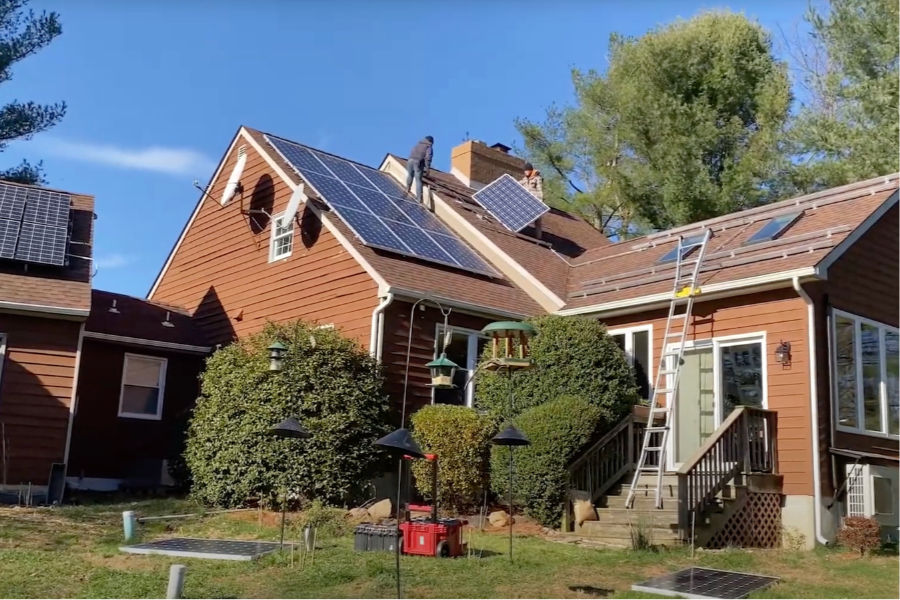
- On-site renewable energy sources, most commonly solar photovoltaic panels
- Energy storage solutions, such as batteries, to balance production and use
- Advanced energy monitoring and management
- Often, passive solar design and orientation to maximize natural heating and lighting
The goal is to balance the home’s annual energy consumption with the amount of clean energy it produces, resulting in a net-zero energy footprint.
For a detailed look at the process and benefits, see benefits of net-zero home construction.
Comparing Net-Zero and Energy Efficient Homes: Key Differences
While both types of homes aim to reduce environmental impact and lower utility costs, there are important distinctions:
| Aspect | Energy Efficient Home | Net-Zero Home |
|---|---|---|
| Goal | Reduce energy use | Eliminate net energy use |
| Renewable Energy | Optional | Required |
| Grid Dependence | Lower than average | Zero net annual usage |
| Cost | Lower upfront investment | Higher upfront, long-term savings |
| Environmental Impact | Reduced carbon footprint | Minimal to zero carbon footprint |
In summary, energy efficient homes focus on using less energy, while net-zero homes aim to produce as much energy as they consume, often resulting in even greater environmental and financial benefits over time.
How to Transition from Energy Efficiency to Net-Zero
Many homeowners start with energy efficiency upgrades and later pursue net-zero goals. The typical pathway includes:
- Conducting an energy audit to identify areas for improvement
- Upgrading insulation, windows, and air sealing
- Replacing old HVAC systems and appliances with high-efficiency models
- Installing smart thermostats and energy monitors
- Adding renewable energy systems, such as solar panels, once energy demand is minimized
For a step-by-step overview, check out how to build a net-zero home.
You can also learn more about the process in this comprehensive guide to making your home net-zero.
Benefits of Each Approach
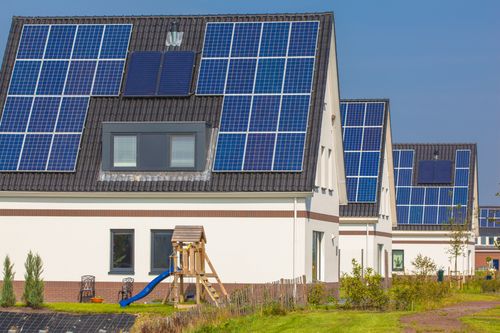
Both energy efficient and net-zero homes offer significant advantages for homeowners and the environment:
- Lower utility bills: Reduced energy consumption means ongoing savings.
- Increased comfort: Better insulation and air sealing improve indoor comfort year-round.
- Healthier indoor air: High-performance homes often have better ventilation and air quality.
- Environmental responsibility: Less energy use and renewable generation reduce greenhouse gas emissions.
- Long-term value: Homes with sustainable features may have higher resale value and future-proofing against rising energy costs.
For more on the environmental and financial upsides, see benefits of net-zero home construction.
Challenges and Considerations
While the advantages are clear, there are also challenges to consider:
- Upfront cost: Net-zero homes, in particular, require a larger initial investment due to renewable energy systems and advanced materials.
- Site limitations: Not all properties are suitable for solar panels or other renewable systems.
- Design complexity: Achieving net-zero performance requires careful planning and integration of multiple systems.
- Maintenance: Advanced systems may require more specialized upkeep.
However, many of these barriers are decreasing as technology improves and incentives become more widely available.
FAQ
Can an existing home become net-zero?
Yes, many existing homes can be retrofitted to achieve net-zero status. The process usually starts with maximizing energy efficiency through insulation, air sealing, and efficient appliances, followed by adding renewable energy systems. The feasibility depends on the home’s location, orientation, and structure.
Is it more expensive to build a net-zero home than an energy efficient home?
Generally, net-zero homes have higher upfront costs due to the need for renewable energy systems and advanced building techniques. However, these costs are often offset by lower utility bills and potential incentives. Over time, the total cost of ownership can be lower than that of a standard or even a highly efficient home.
Do net-zero homes always use solar panels?
Solar panels are the most common renewable energy source for net-zero homes, but other options like wind turbines or geothermal systems can also be used, depending on the site’s characteristics. The key is to generate enough clean energy to offset the home’s annual consumption.
Conclusion
Choosing between a highly efficient home and one that achieves net-zero energy depends on your goals, budget, and property. Both approaches offer substantial benefits for comfort, cost savings, and the environment. By understanding the distinctions and pathways for each, you can take meaningful steps toward a more sustainable and resilient home.
For more information on how carbon-neutral living works, see net-zero home construction explained or explore what is net-zero home construction for a complete definition.