
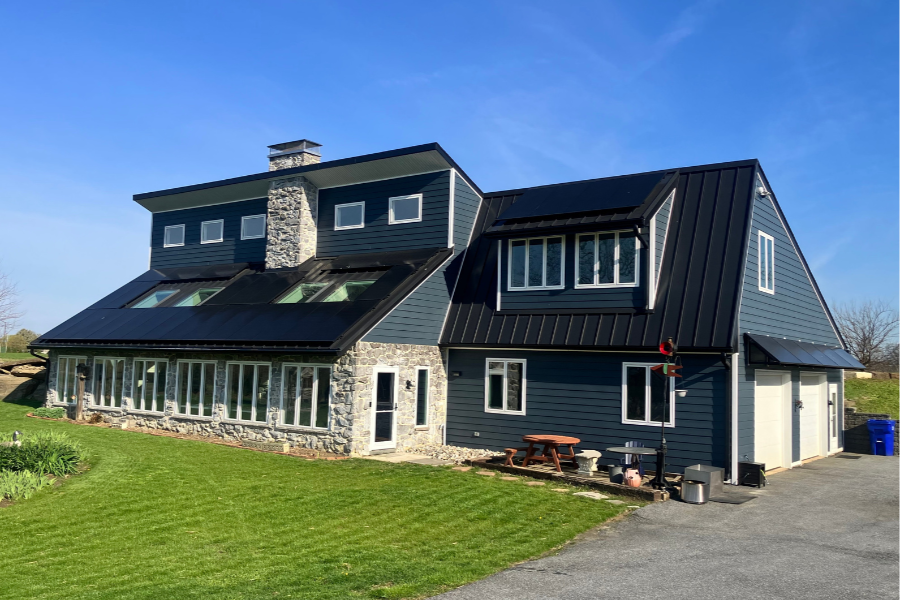

The drive toward sustainability in the construction industry has brought the net-zero housing concept overview to the forefront of modern building practices. As climate concerns and energy costs rise, more homeowners, builders, and policymakers are seeking solutions that minimize environmental impact while maximizing comfort and efficiency. Net-zero homes are designed to produce as much energy as they consume annually, resulting in a balanced carbon footprint and significant long-term savings.
This approach to residential construction is not just a trend—it represents a fundamental shift in how we think about energy use, building materials, and the relationship between our homes and the environment. By integrating advanced technologies, renewable energy systems, and thoughtful design, net-zero homes are paving the way for a more sustainable future.
For those new to this innovative approach, exploring a net-zero home construction guide for beginners can provide a solid foundation. Understanding the basics early on helps clarify the benefits, challenges, and steps involved in achieving a truly energy-neutral residence.
What Defines a Net-Zero Home?
At its core, a net-zero home is designed to achieve a balance between energy consumed and energy produced on-site, typically through renewable sources like solar panels. This means the total amount of energy used by the household over the course of a year is roughly equal to the amount of renewable energy generated. The result is a home with minimal reliance on external energy sources and a greatly reduced carbon footprint.
Key characteristics of these homes include:
- High-performance insulation and airtight construction to minimize energy loss
- Efficient heating, ventilation, and air conditioning (HVAC) systems
- On-site renewable energy generation, most commonly solar photovoltaic panels
- Smart energy management and monitoring systems
- Use of sustainable, low-impact building materials
For a deeper dive into the requirements and standards, the article on net-zero building standards explained offers valuable insights into the criteria that define these advanced homes.
Core Principles Behind the Net-Zero Housing Concept
The net-zero housing concept overview is built on several foundational principles that guide both design and construction:
- Energy Efficiency First: Reducing energy demand through smart design, insulation, and efficient appliances is the first step. The less energy a home needs, the easier it is to offset with renewables.
- Renewable Energy Integration: After minimizing demand, the remaining energy needs are met with on-site renewable generation, most often solar panels but sometimes wind or geothermal systems.
- Holistic Building Envelope: Attention to windows, doors, walls, and roofing ensures minimal heat loss and gains, keeping indoor temperatures stable with less mechanical intervention.
- Smart Controls & Monitoring: Advanced systems track energy use and production, allowing homeowners to adjust habits and optimize performance.
These principles work together to create homes that are not only environmentally responsible but also comfortable and cost-effective for occupants.
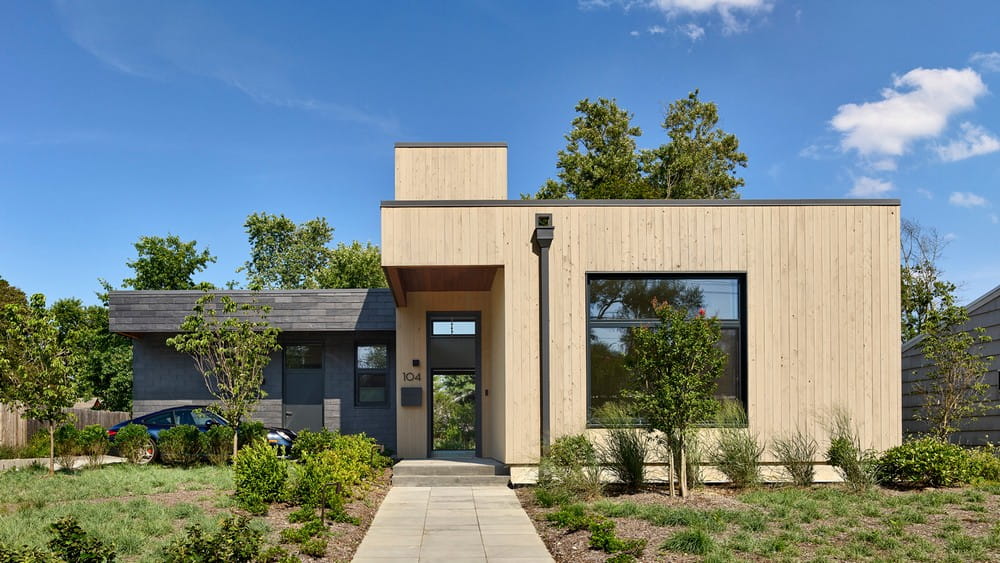
Key Components of Energy-Neutral Homes
To achieve true net-zero status, several elements must work in harmony. Here are the most critical components:
- Insulation and Air Sealing: Proper insulation in walls, roofs, and floors, along with meticulous air sealing, prevents unwanted heat transfer and drafts.
- High-Performance Windows and Doors: Double or triple-glazed windows and insulated doors help maintain interior comfort and reduce energy loss.
- Efficient HVAC Systems: Heat pumps, energy recovery ventilators, and programmable thermostats ensure optimal climate control with minimal energy use.
- Renewable Energy Systems: Solar photovoltaic panels are the most common, but some homes also use solar thermal, wind, or geothermal systems.
- Water Conservation: Low-flow fixtures and rainwater harvesting systems reduce water use and associated energy costs.
- Smart Home Technology: Energy monitors and automation tools help track and optimize energy consumption in real time.
For those interested in the construction process, the resource on how to build a net-zero home outlines the step-by-step approach to integrating these features from the ground up.
Benefits of Adopting the Net-Zero Approach
Choosing a home designed around the net-zero housing concept overview offers a range of advantages:
- Lower Utility Bills: By generating their own energy, homeowners can drastically reduce or even eliminate monthly electricity costs.
- Environmental Impact: These homes significantly cut greenhouse gas emissions, supporting broader sustainability goals.
- Increased Comfort: Superior insulation and air sealing keep indoor temperatures stable and reduce drafts.
- Resilience: On-site energy generation can provide backup power during grid outages.
- Long-Term Value: As energy prices rise and regulations tighten, net-zero homes are likely to retain or increase in value.
For a comprehensive explanation of how these homes work and their impact on carbon neutrality, see net-zero home construction explained.
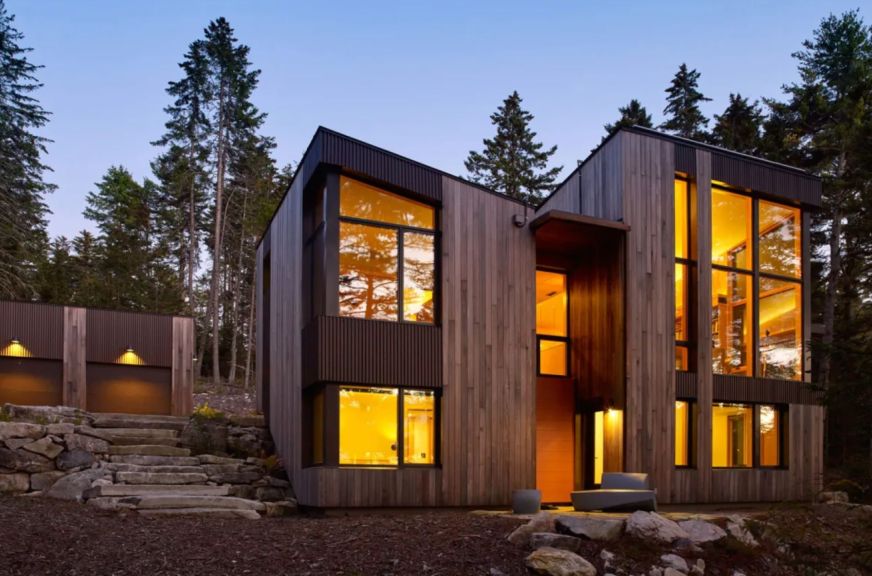
Challenges and Considerations in Net-Zero Home Design
While the advantages are clear, there are also challenges to consider when pursuing a home that meets net-zero criteria:
- Upfront Costs: High-performance materials, renewable energy systems, and advanced technologies can increase initial investment, though these costs are often offset over time by energy savings.
- Site Limitations: Not every location is ideal for solar or wind generation due to shading, orientation, or local climate.
- Design Complexity: Achieving true energy neutrality requires careful planning, coordination among professionals, and attention to detail throughout construction.
- Maintenance: Renewable energy systems and smart technologies require periodic maintenance to ensure optimal performance.
Despite these hurdles, growing demand and technological advancements are making net-zero construction more accessible and cost-effective each year. For those interested in exploring design options, net-zero energy home designs offer inspiration and practical examples from around the world.
How Net-Zero Homes Are Shaping the Future of Building
The widespread adoption of energy-neutral homes is influencing building codes, industry standards, and consumer expectations. Governments and municipalities are increasingly offering incentives, rebates, and streamlined permitting for projects that meet or exceed net-zero criteria. As more builders and architects gain experience with these techniques, costs are coming down and performance is improving.
In addition, the integration of smart home technology and energy monitoring tools is empowering homeowners to take control of their energy use. Devices like energy monitors and thermal imaging cameras help identify inefficiencies and optimize performance, making it easier than ever to maintain a balanced energy profile.
Ultimately, the principles behind the net-zero housing movement are setting a new benchmark for sustainability in residential construction. As the industry continues to evolve, these homes are likely to become the standard rather than the exception.
Frequently Asked Questions
What is the difference between a net-zero home and a traditional energy-efficient home?
While both types of homes prioritize energy efficiency, a net-zero home goes a step further by generating enough renewable energy on-site to offset its annual consumption. Traditional energy-efficient homes may use less energy but still rely on external sources for some or all of their needs.
Are net-zero homes more expensive to build?
Initial construction costs for net-zero homes can be higher due to advanced materials, insulation, and renewable energy systems. However, these costs are typically offset over time by significantly lower utility bills and potential incentives or rebates.
Can existing homes be retrofitted to achieve net-zero status?
Yes, many existing homes can be upgraded with improved insulation, energy-efficient windows, and renewable energy systems. The feasibility and cost will depend on the home’s age, design, and location, but retrofitting is a growing trend as homeowners seek to reduce their environmental impact.

