Net-zero home construction is rapidly gaining attention as homeowners and builders seek ways to reduce energy use, lower utility bills, and minimize environmental impact. But what does it really mean for a home to be “net-zero”? This article provides a clear, practical definition and explores the essential features, benefits, and challenges of building homes that balance energy consumption with renewable energy production. Whether you’re planning a new build or simply curious about sustainable living, understanding this concept is key to making informed decisions about your next steps.
At its core, a net-zero home is designed and built so that the total amount of energy used by the household annually is roughly equal to the amount of renewable energy created on-site. This balance is achieved through a combination of energy-efficient design, advanced building materials, and the integration of renewable energy systems like solar panels. The result is a home that is comfortable, cost-effective, and environmentally responsible.
For those interested in the foundational principles behind these homes, net-zero house design basics offers a helpful starting point to understand the essential strategies and considerations.
Understanding the Net-Zero Concept in Home Building
The idea behind net-zero construction is straightforward: a home produces as much energy as it consumes over the course of a year. This is typically accomplished by combining two main strategies:
- Maximizing energy efficiency through insulation, airtight construction, high-performance windows, and efficient appliances.
- Generating renewable energy on-site, most commonly with solar photovoltaic (PV) panels, but sometimes with wind turbines or geothermal systems.
When these strategies are implemented together, the home’s net annual energy use is zero. This does not mean the home is off-grid or never draws power from the utility; rather, it means that over a year, the energy produced (for example, by solar panels) offsets the energy consumed, resulting in a net-zero balance.
Key Features of Net-Zero Residences
Homes built to achieve net-zero status share several important characteristics. These features work together to minimize energy demand and maximize renewable energy production:
- Superior insulation and airtightness to reduce heating and cooling losses.
- High-performance windows and doors that prevent drafts and heat transfer.
- Efficient heating, ventilation, and air conditioning (HVAC) systems such as heat pumps.
- LED lighting and Energy Star-rated appliances to lower electricity use.
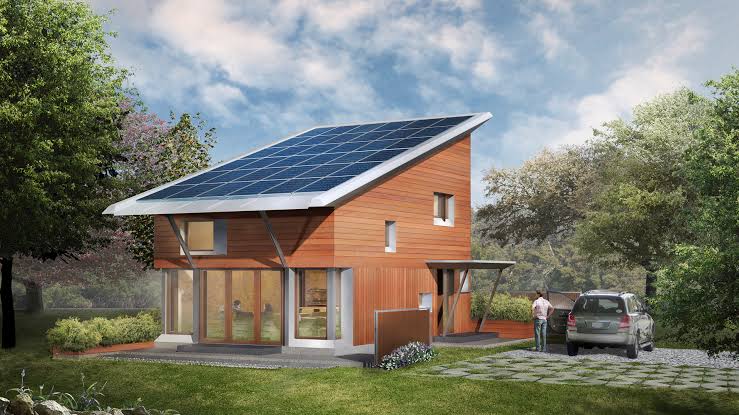
- Renewable energy systems—most commonly solar panels—installed on the roof or property.
- Smart energy monitoring to track and optimize energy consumption.
How Net-Zero Construction Differs from Traditional Building
Traditional homes are typically built to meet minimum code requirements, which focus on safety and basic energy efficiency. In contrast, net-zero homes go far beyond these standards. Here are some of the main differences:
- Envelope performance: Net-zero homes use more insulation and advanced air sealing techniques to minimize heat loss and gain.
- Energy systems: Instead of relying solely on grid electricity or fossil fuels, these homes incorporate renewable energy sources to offset consumption.
- Design approach: Every aspect of the home—from orientation and window placement to appliance selection—is optimized for efficiency and comfort.
- Long-term savings: While upfront costs may be higher, net-zero homes offer significant savings on utility bills and often have higher resale value.
For a deeper dive into how these principles are put into practice, you can explore how to build a net-zero home for a step-by-step look at the process.
Benefits of Building a Net-Zero Home
Choosing to construct a net-zero residence offers a range of advantages for homeowners, communities, and the environment:
- Lower energy bills: By producing as much energy as they use, homeowners can drastically reduce or even eliminate utility costs.
- Increased comfort: Superior insulation and air sealing create a more consistent indoor temperature and improved air quality.
- Environmental impact: Reducing reliance on fossil fuels helps lower greenhouse gas emissions and supports a cleaner environment.
- Resilience: Homes with renewable energy systems are less vulnerable to power outages and rising energy prices.
- Market value: As demand for sustainable housing grows, net-zero homes often command higher resale prices.
Challenges and Considerations
While the advantages are clear, there are also challenges to achieving net-zero status:
- Upfront costs: High-performance materials, advanced HVAC systems, and renewable energy installations can increase initial expenses.
- Design complexity: Achieving a true net-zero balance requires careful planning, modeling, and coordination between architects, builders, and engineers.
- Site limitations: Not every property is suitable for solar panels or other renewable systems due to shading, orientation, or local regulations.
- Maintenance: Renewable energy systems and airtight construction may require specialized maintenance and monitoring.
Despite these challenges, advances in technology and building science are making net-zero construction more accessible and cost-effective. Many homeowners find that the long-term savings and environmental benefits outweigh the initial investment.
Steps Toward Achieving a Net-Zero Home
For those interested in pursuing this type of construction, the process typically involves:
- Site selection and orientation: Choosing a location and positioning the home to maximize solar gain and minimize energy loss.
- Efficient design: Working with architects and builders who specialize in energy-efficient construction.
- High-performance building envelope: Using advanced insulation, windows, and air sealing to reduce energy demand.
- Efficient systems and appliances: Selecting HVAC, lighting, and appliances that use less energy.
- Renewable energy integration: Installing solar panels or other systems to generate clean energy on-site.
- Monitoring and optimization: Using smart energy monitors to track usage and identify opportunities for further savings.
For a comprehensive overview of the process, this guide to building a net-zero home provides practical tips and best practices from industry experts.
Comparing Net-Zero, Zero-Energy, and Carbon Neutral Homes
It’s important to note that terms like “net-zero,” “zero-energy,” and “carbon neutral” are sometimes used interchangeably, but there are subtle differences:
- Net-zero energy: The home produces as much energy as it uses, typically measured over a year.
- Zero-energy ready: The home is built to net-zero standards but may not yet have renewable energy systems installed.
- Carbon neutral: The home offsets its carbon emissions, which may include purchasing renewable energy credits or investing in carbon reduction projects.
For more detailed explanations, net-zero home construction explained offers insights into how these concepts relate to carbon-neutral living.
Frequently Asked Questions
What does it cost to build a net-zero home?
The cost varies depending on location, design, and materials. While initial expenses are often higher than standard construction, long-term energy savings and potential incentives can offset the difference. Many homeowners find the investment pays off over time.
Can existing homes be retrofitted to achieve net-zero?
Yes, with the right upgrades, many existing homes can approach or reach net-zero performance. This typically involves improving insulation, upgrading windows, installing efficient HVAC systems, and adding renewable energy sources like solar panels.
Are net-zero homes only possible in certain climates?
No, net-zero construction is possible in a wide range of climates. The specific design strategies and technologies may vary, but the core principles—energy efficiency and on-site renewable generation—can be adapted to most regions.