
Designing a home that achieves net-zero energy status is a forward-thinking approach to sustainable living. By focusing on the principles of net-zero home design, homeowners and builders can create residences that produce as much energy as they consume over the course of a year. This not only reduces environmental impact but also leads to long-term savings and increased comfort for occupants.
Understanding the core strategies behind energy-efficient construction is essential for anyone interested in reducing their carbon footprint and future-proofing their property. These concepts are at the heart of modern green building and are increasingly being adopted as standards evolve. For a broader perspective on how this fits into the future of construction, see the net-zero housing concept overview for more context.
What Makes a Home Net-Zero?
A net-zero residence is designed to balance its annual energy consumption with renewable energy generation. The process involves a combination of energy efficiency, smart design, and on-site energy production. The main goal is to minimize energy demand through high-performance building envelopes and efficient systems, then meet the remaining needs with clean energy sources.
Key elements include:
- Superior insulation and airtight construction
- High-efficiency windows and doors
- Advanced heating, ventilation, and air conditioning (HVAC) systems
- On-site renewable energy, typically solar panels
- Thoughtful orientation and layout to maximize natural light and minimize heat loss
For a detailed explanation of the criteria and standards, the article on net-zero building standards explained provides further insight into what qualifies a home as net-zero.
Building Envelope: The Foundation of Energy Efficiency
The building envelope—comprising the walls, roof, windows, and foundation—serves as the primary barrier between indoor and outdoor environments. In net-zero home design, the envelope is engineered to minimize unwanted heat transfer and air leakage. This is achieved through:
- Continuous insulation: Reduces thermal bridging and keeps indoor temperatures stable.
- High-performance windows: Triple-glazed or low-emissivity windows prevent heat loss and improve comfort.
- Airtight construction: Careful sealing of joints, penetrations, and openings limits drafts and energy waste.
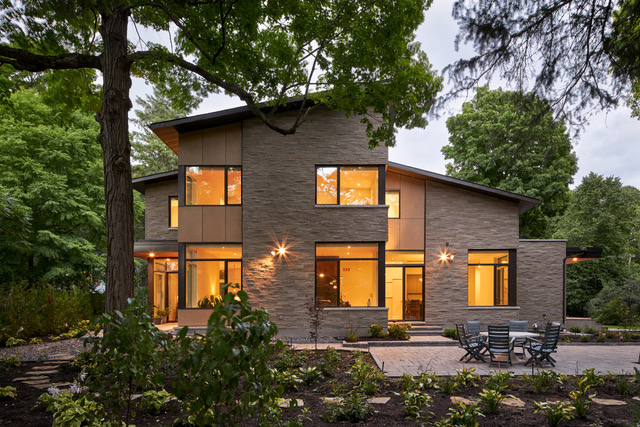
Careful attention to the building envelope is the first step in reducing energy demand. Tools like energy monitors and thermal imaging cameras can help identify areas where improvements are needed, ensuring the home performs as intended.
Efficient Systems and Appliances
Once the structure is optimized, the next focus is on the systems that keep the home comfortable. High-efficiency HVAC systems, heat pumps, and energy recovery ventilators (ERVs) are commonly used in these homes. Appliances and lighting should also be ENERGY STAR rated or equivalent to minimize electricity use.
Smart controls, such as programmable thermostats and advanced lighting systems, allow homeowners to fine-tune energy consumption based on occupancy and preferences. This integration of technology supports the overall goal of balancing energy use with renewable generation.
Renewable Energy Generation
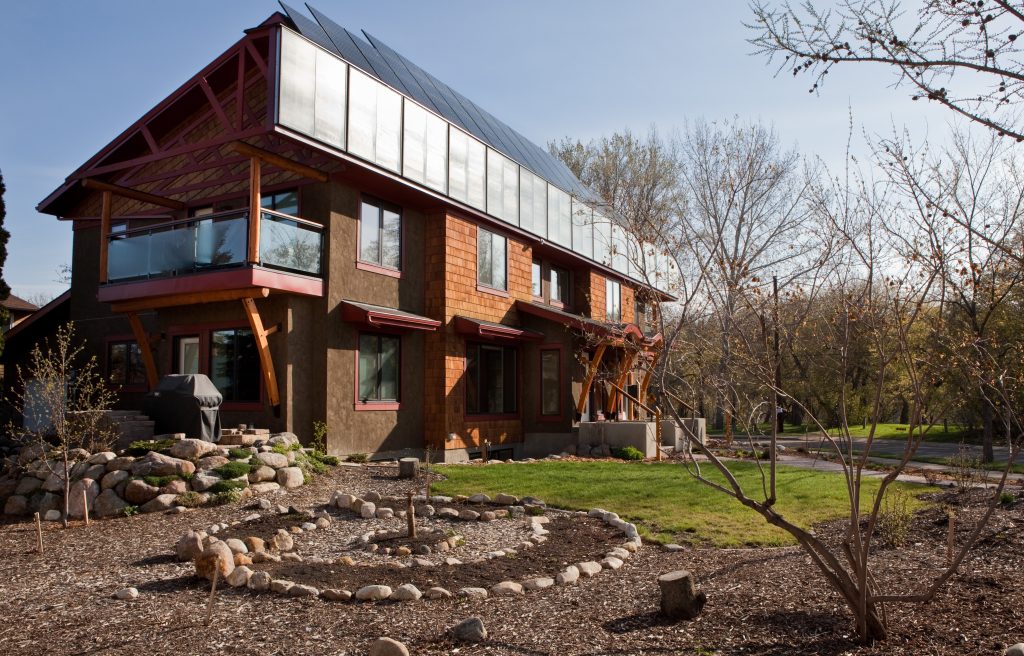
After maximizing efficiency, the remaining energy needs are met with on-site renewable sources. Solar photovoltaic (PV) panels are the most common solution, but some projects may also incorporate wind turbines or geothermal systems depending on location and feasibility. The size and type of renewable system are determined by the home’s energy model, which estimates annual consumption and guides system sizing.

For more on the environmental and financial advantages of this approach, see the benefits of net-zero home construction for homeowners and communities.
Site Selection and Passive Design Strategies
Location and orientation play a significant role in reducing energy demand. Passive solar design leverages the sun’s path to provide natural heating, cooling, and lighting. Key tactics include:
- Orienting the home to maximize southern exposure (in the Northern Hemisphere)
- Using overhangs and shading devices to block summer sun while allowing winter sunlight
- Strategic window placement for daylighting and cross-ventilation
- Landscaping to provide windbreaks or shade as needed
These passive strategies reduce reliance on mechanical systems and contribute to the overall efficiency of the home.
Water Conservation and Sustainable Materials
While energy is the primary focus, net-zero home design often incorporates water-saving features and environmentally responsible materials. Low-flow fixtures, rainwater harvesting, and drought-tolerant landscaping help reduce water consumption. Choosing locally sourced, recycled, or rapidly renewable materials minimizes the environmental footprint of construction and supports healthier indoor air quality.
Verification and Performance Monitoring
To ensure a home truly achieves net-zero status, third-party verification and ongoing performance monitoring are essential. Energy modeling during design, followed by blower door tests and commissioning after construction, confirm that the building meets its targets. Homeowners can use real-time energy monitors to track usage and production, making adjustments as needed to maintain balance.
For a comprehensive definition and further explanation, refer to what is net-zero home construction for foundational concepts and terminology.
Challenges and Considerations
While the benefits are substantial, there are challenges to implementing these strategies. Upfront costs can be higher than conventional construction, though incentives and long-term savings often offset this. Site constraints, climate, and local regulations may also influence design choices. Working with experienced professionals and staying informed about evolving standards is crucial for success.
For those interested in the technical and practical aspects of carbon-neutral living, net-zero home construction explained provides a deeper dive into how these homes operate day-to-day.
Further Resources and Continuing Education
Staying up to date with the latest research, technologies, and best practices is important for anyone pursuing sustainable building. For a broader industry perspective, the Building for the Future: Exploring and Understanding the Net-Zero Home resource offers valuable insights from experts and case studies.
Frequently Asked Questions
What is the difference between a net-zero home and a traditional energy-efficient home?
While both types of homes focus on reducing energy consumption, a net-zero home is specifically designed to produce as much energy as it uses over the course of a year, typically through on-site renewables. An energy-efficient home may use less energy than average but does not necessarily achieve this full balance.
Are net-zero homes more expensive to build?
Initial construction costs for net-zero homes can be higher due to advanced materials, systems, and renewable energy installations. However, these costs are often offset by lower utility bills, available incentives, and increased property value over time.
Can existing homes be retrofitted to achieve net-zero status?
Yes, many existing homes can be upgraded through improved insulation, air sealing, high-efficiency systems, and the addition of renewable energy sources. The feasibility and cost will depend on the current condition and design of the home.