
Living on an off-grid homestead is a unique experience that blends self-reliance, sustainability, and hands-on work. Each day brings a rhythm shaped by nature, resourcefulness, and the ongoing pursuit of independence from traditional utilities. For those curious about what it truly means to manage daily life off-grid homestead style, this article offers a practical look at routines, challenges, and rewards.
Whether you’re considering a move to rural living or simply want to understand the realities of homesteading, you’ll find that the day-to-day is a blend of purposeful tasks, problem-solving, and moments of satisfaction. If you’re interested in taking your independence further, you might also want to explore self-sufficient homestead ideas for even more inspiration.
Morning Routines and Essential Chores
The start of the day on a homestead is often dictated by the sun and the needs of animals and crops. Early mornings are typically reserved for feeding livestock, collecting eggs, and checking on water supplies. These daily responsibilities are not just routine—they’re vital for the health of the homestead and its inhabitants.
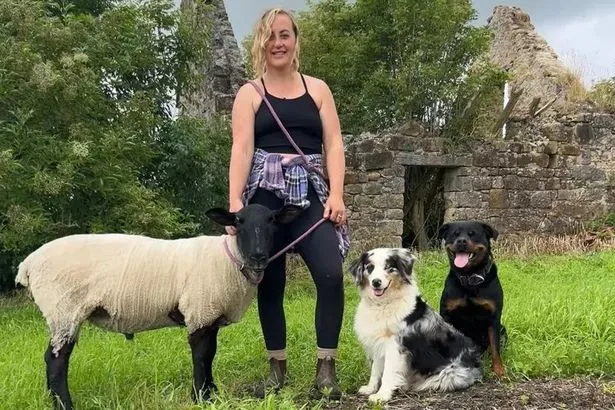
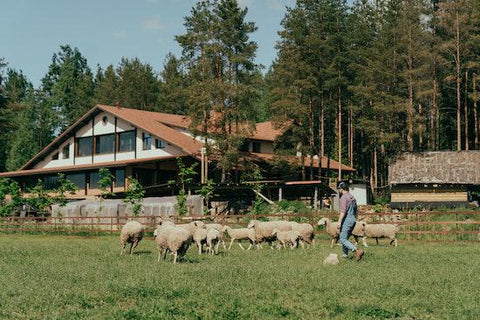
- Animal care: Chickens, goats, and other livestock require fresh food and clean water each morning.
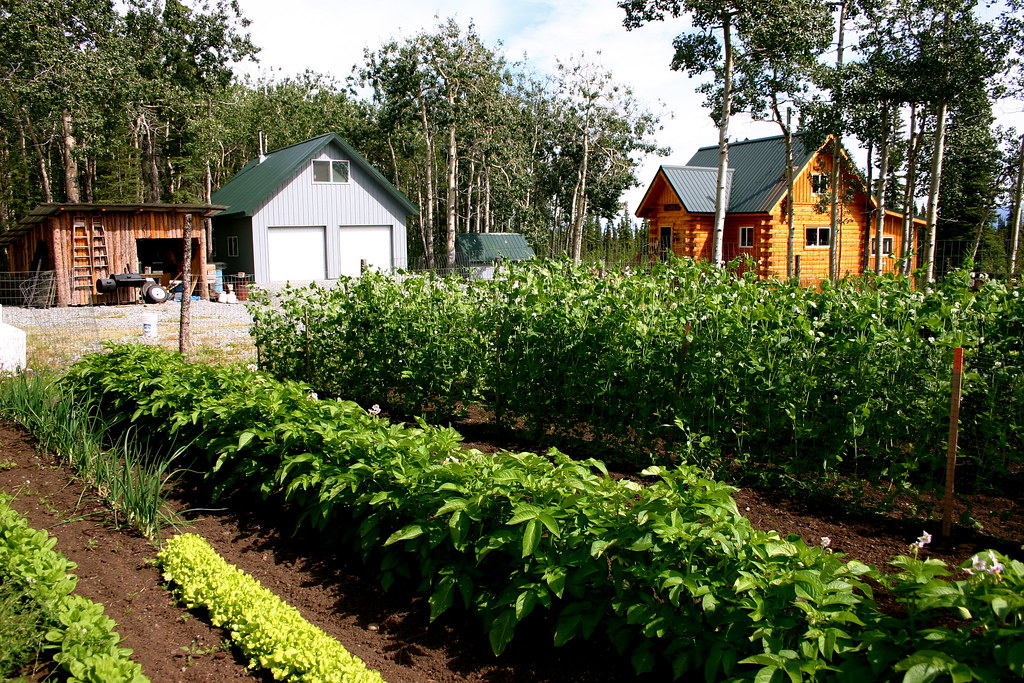
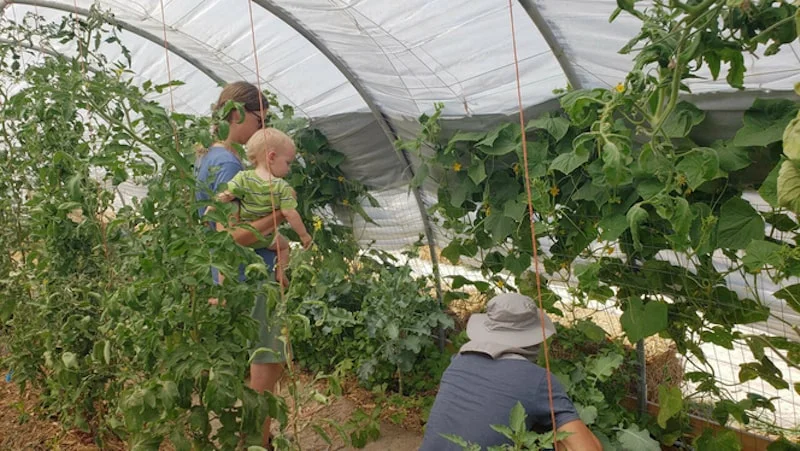
- Garden maintenance: Inspecting vegetable beds, watering, and weeding are part of the daily rhythm, especially during growing season.
- System checks: Off-grid living means monitoring solar panels, batteries, and water pumps to ensure everything is operating efficiently.
These tasks set the tone for the day and reinforce the importance of consistency and attention to detail. Many homesteaders also use this time to plan out projects or repairs that need to be tackled as the day unfolds.
Food Production and Preservation
One of the most rewarding aspects of daily life off-grid homestead is growing and preparing your own food. From tending to vegetable gardens to managing fruit trees and berry bushes, food production is a year-round commitment. Harvesting, cooking, and preserving food are central to this lifestyle.
Preserving the harvest is essential for off-grid families. Canning, dehydrating, and fermenting are common methods to extend the shelf life of homegrown produce. This not only reduces reliance on outside sources but also ensures a steady food supply through winter months.
Cooking is often done on wood stoves or propane burners, and meal planning revolves around what’s available from the land. The connection between food and effort is tangible, making each meal a reflection of the homesteader’s work.
Energy, Water, and Resource Management
Managing resources is a core part of living off the grid. Without access to municipal utilities, homesteaders must generate their own power, collect water, and handle waste responsibly. This requires a mix of technology, planning, and adaptability.
- Solar power is the most common energy source, with panels charging batteries for lights, appliances, and tools.
- Water collection often involves rainwater harvesting, wells, or nearby streams, with filtration systems to ensure safety.
- Waste management includes composting toilets, greywater systems, and recycling organic matter back into the soil.
The need to monitor and conserve resources shapes every decision, from when to run a washing machine to how long to take a shower. This heightened awareness fosters a sense of responsibility and ingenuity.
Building Skills and Tackling Projects
Every day brings new challenges and opportunities for learning. Homesteaders regularly take on building projects, repairs, and upgrades to improve efficiency and comfort. Skills in carpentry, plumbing, and electrical work become essential, as hiring outside help is often impractical or costly.
Projects might include building raised beds, repairing fences, or upgrading solar setups. The ability to troubleshoot and adapt is invaluable. For those interested in adopting more eco-friendly habits, green living off-grid offers practical tips for sustainable daily routines.
Community, Leisure, and Well-Being
While much of the day is spent on chores and projects, there’s also time for relaxation and connection. Many off-grid homesteads foster a strong sense of community, whether through shared work, bartering, or social gatherings. Evenings might be spent reading, playing music, or enjoying the quiet beauty of the land.
Mental and physical well-being are priorities. The physical nature of homesteading keeps people active, while the slower pace and connection to nature support stress reduction. However, isolation can be a challenge, making community ties and regular communication with friends and family important.
Challenges and Rewards of Off-Grid Living
Adopting an off-grid lifestyle comes with its share of difficulties. Weather extremes, equipment failures, and the unpredictability of nature require resilience and flexibility. Yet, the rewards are substantial: a deep sense of accomplishment, reduced environmental impact, and the satisfaction of meeting your own needs.
For a broader perspective on what it means to live this way, you can read this comprehensive overview of off-grid homesteading.
Ultimately, daily routines on a homestead are shaped by necessity, creativity, and a desire for independence. Each day is different, but the ongoing commitment to self-sufficiency and sustainability remains at the heart of the experience.
Frequently Asked Questions
What are the biggest challenges of daily life on an off-grid homestead?
Some of the most significant challenges include managing energy and water resources, dealing with weather extremes, and maintaining equipment. Homesteaders need to be prepared for unexpected repairs and must be adaptable to changing conditions.
How do homesteaders handle food and water needs?
Most grow a substantial portion of their own food through gardens and livestock. Water is typically sourced from wells, rainwater collection, or nearby streams, with careful filtration and conservation practices to ensure safety and sustainability.
Is it possible to live comfortably off-grid?
Yes, with proper planning and resource management, many people find off-grid living to be comfortable and fulfilling. Comfort levels depend on the systems in place, the climate, and the willingness to adapt to a more hands-on, self-reliant lifestyle.