
Net-zero home construction explained is a topic gaining momentum as more homeowners and builders seek sustainable solutions for the future. These homes are designed to produce as much energy as they consume over the course of a year, resulting in a net-zero carbon footprint. The approach combines advanced building techniques, renewable energy systems, and thoughtful design to minimize environmental impact and reduce utility costs. Understanding how these homes work is essential for anyone considering a sustainable lifestyle or looking to invest in eco-friendly property.
In this guide, you’ll learn the core principles behind carbon-neutral living, the technologies that make it possible, and practical steps for achieving a net-zero standard. We’ll also explore the benefits, challenges, and resources available for those interested in sustainable homebuilding.
For a deeper dive into the foundational principles of sustainable building, check out net-zero house design basics. This resource covers essential strategies for beginners and provides a solid starting point for anyone interested in energy-efficient homes.
What Makes a Home Net-Zero?
At its core, a net-zero home is designed to balance energy consumption and production. This means the total amount of energy used by the home annually is roughly equal to the amount of renewable energy generated on-site. Achieving this balance requires a combination of energy-efficient construction, high-performance materials, and renewable energy technologies.
- Super-insulated building envelope: Thick insulation, advanced windows, and airtight construction minimize heat loss and gain.
- Efficient heating and cooling: Systems like heat pumps and energy recovery ventilators reduce the energy needed for comfort.
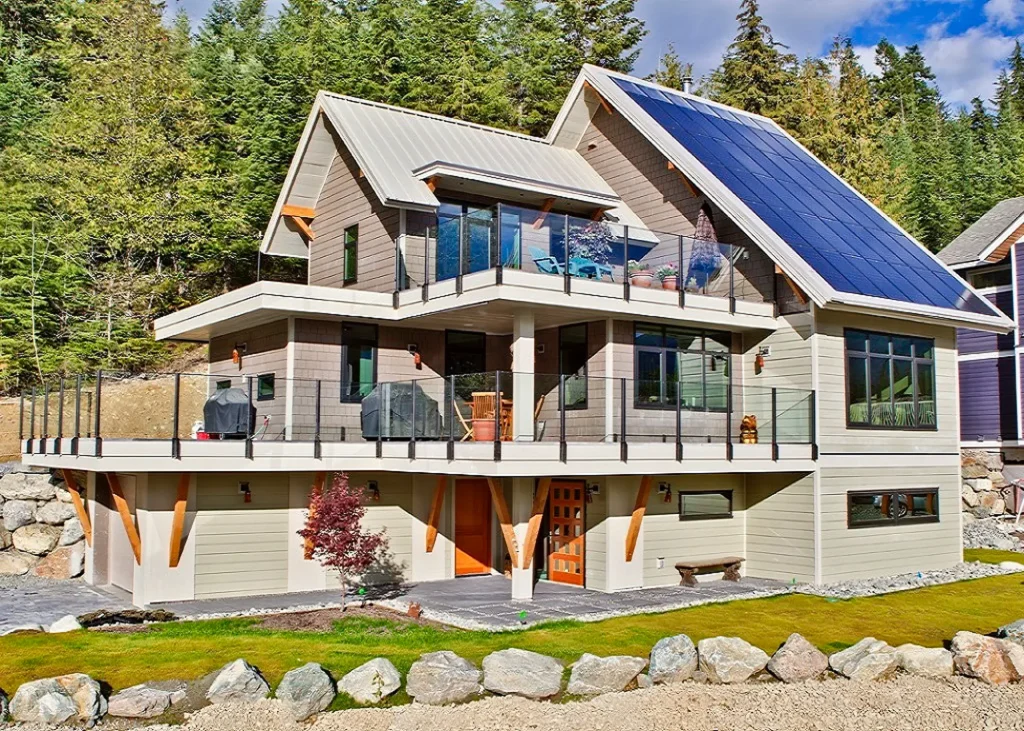
- Solar panels or other renewables: Photovoltaic systems are the most common, but wind or geothermal may also contribute.
- Smart energy management: Monitoring and controlling energy use helps maintain the net-zero balance.
By integrating these elements, net-zero homes dramatically reduce reliance on fossil fuels and lower greenhouse gas emissions.
Key Steps in Net-Zero Home Construction
Building a carbon-neutral home involves a series of deliberate choices at every stage of the project. Here’s an overview of the process:
- Site selection and orientation: Position the home to maximize solar gain and natural ventilation.
- High-performance design: Use passive solar strategies, compact layouts, and efficient building shapes.
- Envelope optimization: Install continuous insulation, triple-pane windows, and advanced air sealing.
- Efficient systems: Choose ENERGY STAR appliances, LED lighting, and low-flow water fixtures.
- Renewable energy integration: Size and install solar panels or other renewable systems to match projected energy use.
- Commissioning and testing: Use tools like blower door tests and thermal imaging to verify airtightness and insulation quality.
For a step-by-step approach to sustainable building, see how to build a net-zero home, which outlines the process from planning to completion.

Technologies Powering Carbon Neutral Living
Modern net-zero homes rely on a blend of innovative technologies to achieve and maintain energy balance. Some of the most impactful solutions include:
- Solar photovoltaic (PV) panels: Convert sunlight into electricity to power the home.
- Battery storage: Store excess solar energy for use at night or during cloudy periods.
- Heat pumps: Provide efficient heating and cooling by transferring heat rather than generating it.
- Energy recovery ventilators (ERVs): Maintain indoor air quality while minimizing energy loss.
- Home energy monitors: Track real-time energy use and identify opportunities for savings.
Using a combination of these systems, homeowners can optimize energy production and consumption, making it easier to achieve net-zero goals.
Benefits of Net-Zero Construction
Choosing a net-zero approach offers a range of advantages for homeowners, communities, and the environment:
- Lower utility bills: Generating your own energy can significantly reduce or even eliminate monthly energy costs.
- Improved comfort: Superior insulation and airtightness keep indoor temperatures stable year-round.
- Healthier indoor air: Advanced ventilation systems filter pollutants and maintain humidity levels.
- Reduced carbon footprint: By offsetting energy use with renewables, these homes help combat climate change.
- Increased property value: Energy-efficient homes are increasingly attractive to buyers seeking sustainability and long-term savings.
Many homeowners find that the initial investment in high-performance construction pays off through lower operating costs and increased comfort over time.
Common Challenges and How to Overcome Them
While the advantages are clear, there are also hurdles to achieving a net-zero standard. Some common challenges include:
- Upfront costs: High-performance materials and renewable systems can increase initial construction expenses.
- Design complexity: Achieving airtightness and optimal solar orientation requires careful planning and skilled labor.
- Local climate: Homes in colder or cloudier regions may need larger renewable systems or additional insulation.
- Regulatory barriers: Zoning laws and utility interconnection rules can affect the feasibility of on-site renewables.
Many of these obstacles can be addressed through incentives, rebates, and careful project management. Consulting with experienced builders and using resources like this step-by-step guide to net-zero design can help streamline the process and avoid common pitfalls.
Getting Started with Your Own Net-Zero Project
If you’re considering building or retrofitting a home to achieve carbon neutrality, start by assembling a knowledgeable team. Look for architects, builders, and consultants with experience in high-performance construction. Conduct an energy audit to understand your current usage and identify areas for improvement. Research local incentives and rebates that can help offset costs.
Investing in monitoring tools, such as energy monitors and thermal imaging cameras, can provide valuable insights into your home’s performance. These devices help identify leaks, inefficiencies, and opportunities for further savings, making them essential for anyone serious about achieving net-zero goals.
FAQ: Net-Zero Home Construction and Carbon Neutral Living
What is the difference between a net-zero home and a traditional energy-efficient home?
While both types of homes focus on reducing energy use, a net-zero home is designed to produce as much energy as it consumes over a year, effectively eliminating its carbon footprint. Traditional energy-efficient homes may use less energy but do not necessarily offset all of their consumption with renewables.
How much does it cost to build a net-zero home?
The cost varies depending on location, size, and design choices. Upfront expenses are typically higher than conventional construction due to advanced materials and renewable systems. However, long-term savings on utility bills and potential incentives can help offset these costs.
Can existing homes be retrofitted to achieve net-zero status?
Yes, many existing homes can be upgraded with improved insulation, high-efficiency systems, and renewable energy installations. The process may be more complex than new construction, but significant energy savings and emissions reductions are possible with the right approach.