
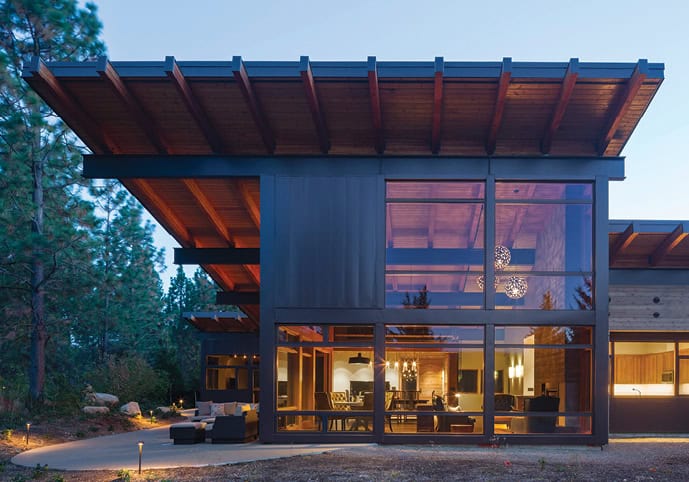

Building a net-zero home is one of the most effective ways to reduce your carbon footprint and achieve long-term energy savings. These homes are designed to produce as much energy as they consume over the course of a year, using a combination of energy-efficient construction, renewable energy systems, and smart design choices. Whether you’re a homeowner planning a new build or a contractor interested in sustainable construction, understanding the process is essential for success.
This comprehensive guide covers the key steps, from initial planning and design to construction and ongoing performance monitoring. Along the way, you’ll find practical tips, essential considerations, and links to additional resources. If you’re also interested in optimizing interior spaces for efficiency, you might find inspiration in kitchen remodeling space optimization tips for small kitchens.
Understanding Net-Zero Home Principles
At its core, a net-zero dwelling is designed to balance energy consumption with on-site renewable energy generation. The goal is to achieve a net annual energy use of zero. This is accomplished through a combination of:
- High-performance building envelope (insulation, air sealing, windows)
- Efficient heating, cooling, and ventilation systems
- On-site renewable energy, typically solar panels
- Smart design that maximizes passive solar gain and minimizes losses
For a deeper dive into the concept, this overview of net-zero buildings explains the science and standards behind these sustainable homes.
Planning and Design: The Foundation of a Net-Zero Project
The planning phase is critical. Every decision made at this stage impacts the home’s energy performance and sustainability. Here’s what to focus on:
- Site selection and orientation: Choose a lot that allows for optimal solar exposure. Orient the home to maximize southern-facing windows for passive heating and daylighting.
- Size and layout: Design a compact, efficient floor plan. Smaller homes are easier to make energy efficient.
- Building envelope: Specify high R-value insulation for walls, roof, and foundation. Select triple-pane, low-e windows and ensure all penetrations are air sealed.
- Material choices: Use sustainable, low-embodied energy materials where possible. Consider recycled or rapidly renewable products.
Early collaboration with architects, engineers, and energy consultants helps identify the most cost-effective strategies for your climate and budget.
Building Envelope: Insulation, Air Sealing, and Windows
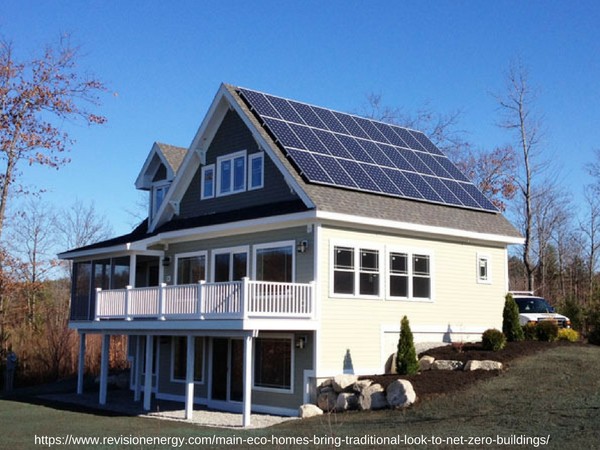
The building envelope is the barrier between indoor and outdoor environments. Its performance determines how much energy is needed for heating and cooling. To achieve net-zero energy goals:
- Insulation: Use high-quality insulation in all exterior walls, roof, and foundation. Pay special attention to thermal bridges and gaps.
- Air sealing: Meticulously seal all joints, penetrations, and openings. Blower door testing can verify airtightness.
- Windows and doors: Install triple-glazed, low-emissivity windows and insulated exterior doors to reduce heat transfer.
Thermal imaging cameras are useful for identifying leaks and insulation gaps during construction, ensuring a tight envelope.
Efficient Systems: Heating, Cooling, and Ventilation
Once the envelope is optimized, focus on mechanical systems that use minimal energy:
- Heating and cooling: Choose high-efficiency heat pumps or ductless mini-splits. These systems provide both heating and cooling with low energy use.
- Ventilation: Install a heat recovery ventilator (HRV) or energy recovery ventilator (ERV) to provide fresh air without losing heat or coolness.
- Hot water: Consider heat pump water heaters or solar thermal systems for domestic hot water needs.
Smart thermostats and zoning controls further reduce energy consumption by tailoring comfort to occupancy and usage patterns.
On-Site Renewable Energy: Solar and Beyond
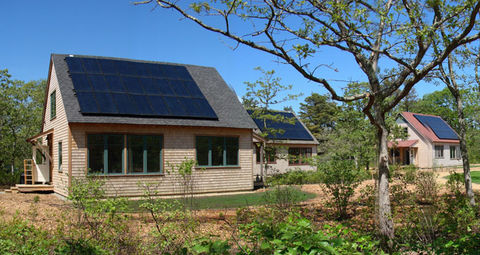
To offset the remaining energy needs, integrate renewable energy systems:
- Solar photovoltaic (PV) panels: The most common choice, sized to match the home’s annual energy consumption.
- Solar thermal: Can be used for water heating, reducing the load on electric or gas systems.
- Other renewables: In some locations, small wind turbines or geothermal systems may be viable.
Work with a qualified installer to determine the optimal system size and placement. Battery storage can increase resilience and self-consumption of generated power.
Smart Monitoring and Performance Verification
After construction, ongoing monitoring is essential to ensure the home performs as intended. Energy monitors, such as the Emporia Vue 3, provide real-time data on electricity use and generation. Regularly check:
- Monthly energy bills and solar production reports
- Indoor air quality and comfort levels
- System maintenance schedules (filters, inverters, etc.)
Thermal imaging and blower door tests can be repeated periodically to catch any new leaks or insulation issues.
Interior Design and Space Optimization for Net-Zero Living
Efficient use of space inside the home supports energy savings and comfort. Consider:
- Open floor plans for better daylighting and airflow
- Compact kitchen layouts that minimize wasted space (see kitchen remodeling compact kitchen ideas for inspiration)
- Accent walls and texture design to enhance aesthetics without excess materials (kitchen remodeling accent wall ideas, kitchen remodeling texture design ideas)
- Balanced visual elements for a harmonious, comfortable interior (kitchen remodeling visual balance tips)
Thoughtful interior design not only improves daily living but also complements the energy-saving goals of a net-zero residence.
Common Challenges and Solutions
While the benefits are significant, building a net-zero property comes with unique challenges:
- Upfront costs: High-performance materials and renewable systems can increase initial expenses, but long-term savings and incentives often offset these costs.
- Contractor experience: Work with builders and subcontractors who have experience with airtight construction and advanced energy systems.
- Climate considerations: Design strategies must be tailored to local weather patterns and solar availability.
- Regulatory hurdles: Some areas have restrictive codes or utility policies. Early research and advocacy may be required.
With careful planning and the right team, these obstacles can be overcome, paving the way for a truly sustainable home.
Frequently Asked Questions
What is the most important step in achieving net-zero energy?
The most crucial step is creating a highly efficient building envelope through proper insulation, air sealing, and high-performance windows. This minimizes energy losses and reduces the size of renewable systems needed.
How much does it cost to construct a net-zero home?
Costs vary by location, size, and design choices. While upfront expenses are typically higher than conventional homes, many homeowners recoup the investment through lower energy bills and available incentives. Consulting with experienced professionals can help estimate your specific project costs.
Can existing homes be retrofitted to net-zero standards?
Yes, many existing homes can be upgraded with improved insulation, air sealing, efficient systems, and renewable energy. However, achieving true net-zero status may be more challenging and costly than starting from scratch, especially if the original structure is inefficient.
Conclusion
Constructing a home that balances energy use with renewable generation is a practical and impactful way to support sustainability. By focusing on smart design, efficient systems, and ongoing performance monitoring, you can create a comfortable, resilient, and environmentally responsible living space. As more people embrace these principles, net-zero construction will become the new standard for future-ready homes.
