
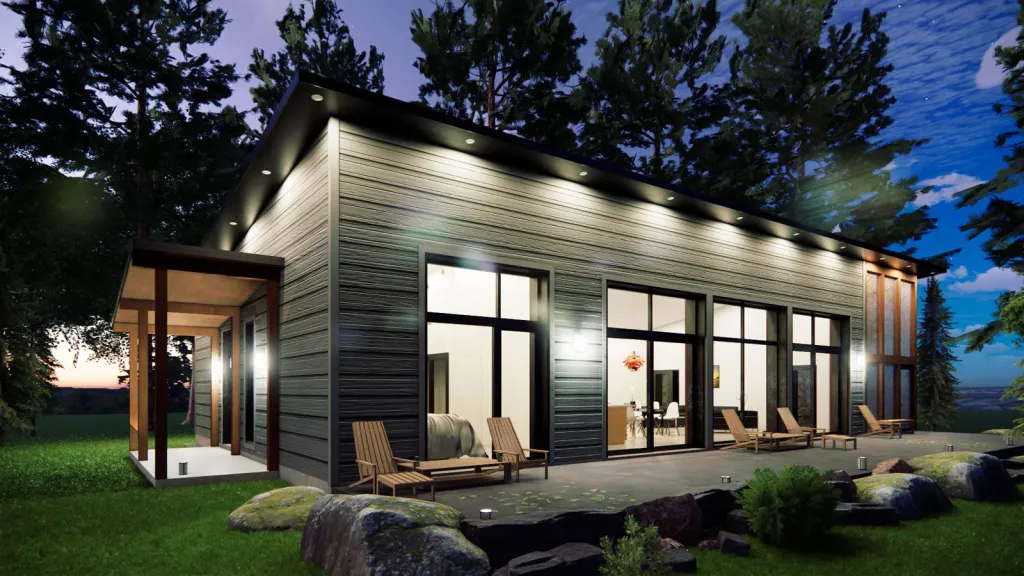

The shift toward net-zero home construction is rapidly gaining momentum as homeowners, builders, and communities recognize the urgent need for sustainable living. These homes are designed to produce as much energy as they consume over the course of a year, resulting in a dramatically reduced carbon footprint. By adopting carbon-neutral building practices, individuals can enjoy a range of advantages that go beyond environmental stewardship, including lower utility bills, improved indoor comfort, and long-term property value.
Understanding the benefits of net-zero home construction is essential for anyone considering a new build or major renovation. This approach not only addresses climate change but also provides practical, everyday rewards for homeowners. If you’re new to the concept, you might find our net-zero home construction guide for beginners a helpful starting point.
What Makes a Home Net-Zero?
A net-zero home is designed and built to balance the energy it uses with the energy it generates from renewable sources, typically solar panels. This is achieved through a combination of advanced insulation, airtight construction, high-efficiency windows and doors, and energy-saving appliances. The result is a home that is comfortable, resilient, and environmentally responsible.
For a deeper dive into the fundamentals, see our article on what is net-zero home construction.
Lower Energy Bills and Cost Savings
One of the most immediate and tangible advantages of net-zero home construction is the dramatic reduction in monthly utility costs. By generating renewable energy onsite and minimizing energy waste, homeowners can often achieve energy bills close to zero. Over the lifespan of the home, these savings can add up to tens of thousands of dollars.
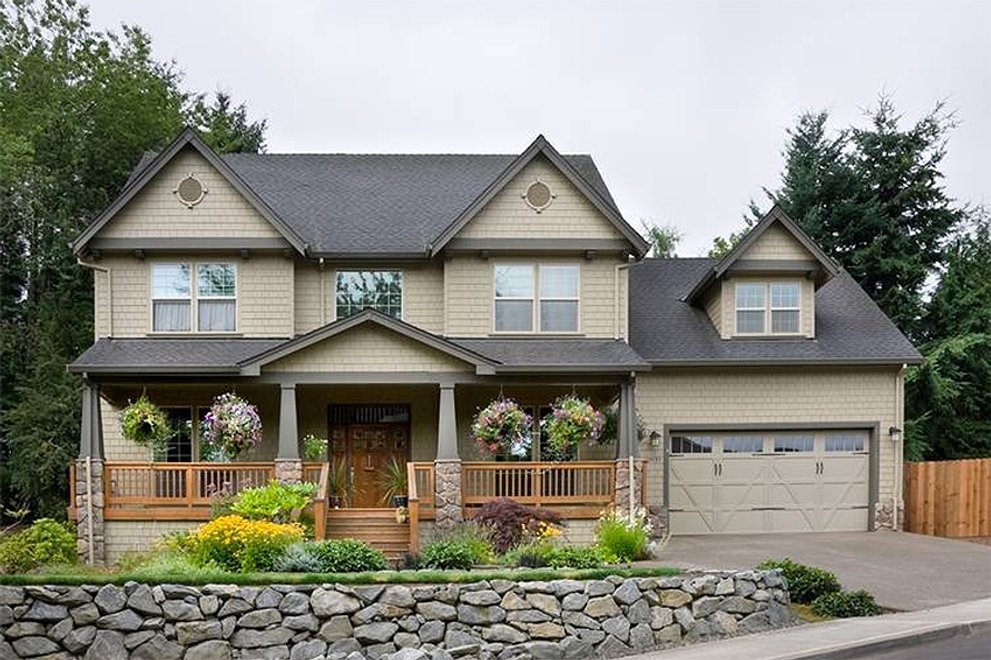
While the upfront investment for a net-zero home can be slightly higher than a conventional build, the ongoing operational savings quickly offset the initial costs. Many regions also offer incentives, rebates, and tax credits for energy-efficient construction, further improving the financial outlook.
Enhanced Comfort and Healthier Living
Net-zero homes are built with superior insulation, high-performance windows, and advanced ventilation systems. These features help maintain consistent indoor temperatures year-round, eliminating drafts and cold spots. The airtight construction also keeps out dust, pollen, and outdoor pollutants, resulting in better indoor air quality and a healthier living environment.
Mechanical ventilation systems, such as heat recovery ventilators (HRVs), ensure a steady supply of fresh air without sacrificing energy efficiency. This is especially beneficial for families with allergies or respiratory sensitivities.
Environmental Impact and Climate Action
Choosing a net-zero approach is a proactive step toward reducing your household’s carbon emissions. By relying on renewable energy and minimizing energy waste, these homes contribute to a cleaner, more sustainable future. According to the Autodesk guide to net-zero buildings, widespread adoption of carbon-neutral construction could significantly lower greenhouse gas emissions from the residential sector.
Beyond reducing your own carbon footprint, building a net-zero home sends a strong message to the community and inspires others to consider sustainable practices. It’s a way to align your values with your lifestyle and make a positive impact on the planet.
Long-Term Value and Market Appeal
Homes built to net-zero standards are increasingly sought after in the real estate market. Buyers are attracted to the promise of low utility costs, durability, and future-proof design. As energy prices continue to rise and environmental awareness grows, the value of energy-efficient homes is expected to increase.
Net-zero homes are also built with high-quality materials and advanced construction techniques, resulting in greater durability and lower maintenance needs. This can translate into higher resale values and a more attractive investment over time.
Resilience and Energy Independence
Another key benefit of net-zero home construction is increased resilience to power outages and energy price fluctuations. By generating your own electricity, you’re less dependent on the grid and better prepared for emergencies. Many net-zero homes incorporate battery storage systems, allowing homeowners to store excess solar energy for use during nighttime or outages.
This level of energy independence provides peace of mind and greater control over your household’s energy future.
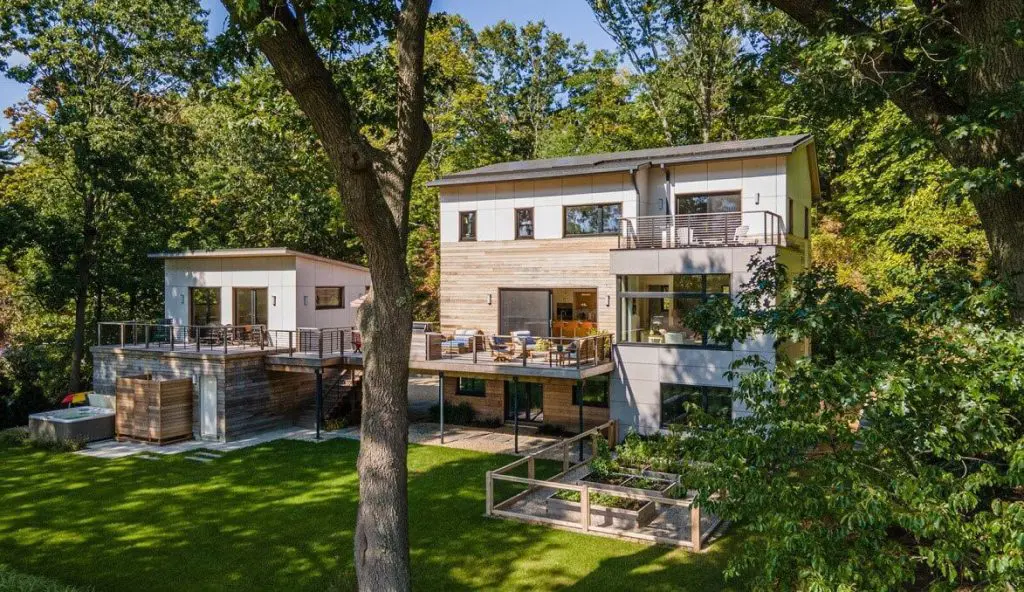
Key Features of Sustainable Home Design
To achieve carbon neutrality, net-zero homes incorporate several essential design principles:
- High-performance insulation to reduce heat loss and maintain comfort
- Airtight building envelope to prevent drafts and energy waste
- Energy-efficient windows and doors for better thermal performance
- Renewable energy systems such as solar panels
- Efficient heating, cooling, and ventilation systems
- Smart energy monitoring for real-time usage insights
For more on design strategies, see our article on net-zero house design basics.
Overcoming Common Misconceptions
Some believe that net-zero homes are prohibitively expensive or only suitable for new construction. However, advances in building science and technology have made it possible to retrofit existing homes or build new ones at a reasonable cost. The long-term savings and improved quality of life often outweigh the initial investment.
Additionally, net-zero homes are not limited to a specific architectural style or climate. With proper planning and the right materials, carbon-neutral living is achievable in a wide range of settings.
Getting Started with Your Own Project
If you’re considering a sustainable build, start by researching local incentives and consulting with experienced builders. Tools like smart energy monitors and thermal imaging cameras can help identify areas for improvement and optimize your home’s performance from the start.
For a step-by-step overview, check out our guide on how to build a net-zero home.
Frequently Asked Questions
How much more does it cost to build a net-zero home compared to a traditional home?
The initial construction cost for a net-zero home can be 5–10% higher than a conventional build, depending on location and materials. However, the ongoing savings on energy bills and potential incentives often offset this difference within a few years.
Can existing homes be retrofitted to achieve net-zero status?
Yes, many existing homes can be upgraded to reach net-zero energy use. This typically involves improving insulation, sealing air leaks, upgrading windows, and installing renewable energy systems. A professional energy audit can help determine the most effective improvements.
Are net-zero homes only practical in sunny climates?
While solar energy is a common feature, net-zero homes can be successful in a variety of climates. The key is to design for local conditions, maximize efficiency, and choose renewable energy sources that work best for the region.
Conclusion
Embracing net-zero home construction offers a wide range of benefits, from lower energy bills and enhanced comfort to environmental responsibility and increased property value. As building codes evolve and technology advances, carbon-neutral homes are becoming more accessible and attractive than ever before. By making informed choices today, you can enjoy a healthier, more resilient home while contributing to a sustainable future.

