
Reliable connectivity is no longer just a luxury for those choosing to live far from urban centers. Whether you’re homesteading, running a rural business, or simply seeking a more independent lifestyle, having access to the internet is essential for communication, work, and accessing vital information. As more people embrace remote living, the need for off-grid internet solutions has grown rapidly. This article explores the best ways to stay connected when traditional broadband isn’t an option, helping you make informed decisions for your unique situation.
From satellite and cellular options to creative hybrid approaches, there are practical ways to ensure you’re never fully disconnected. For those interested in integrating technology into their off-grid lifestyle, resources like off-grid homestead automation can further enhance efficiency and convenience.
Understanding Connectivity Challenges in Remote Areas
Living off the grid often means dealing with unique challenges that urban dwellers rarely face. Traditional cable or fiber internet is usually unavailable, and even cellular coverage can be inconsistent. Weather, terrain, and distance from infrastructure all impact the quality and reliability of your connection. That’s why exploring a range of off-grid internet solutions is crucial for anyone planning to live or work remotely.
Satellite Internet: A Popular Choice for Remote Locations
Satellite technology has become a cornerstone for rural and off-grid connectivity. Providers like Starlink, HughesNet, and Viasat offer coverage in areas where other options fall short. Satellite dishes can be installed almost anywhere with a clear view of the sky, making them ideal for isolated properties.
- Pros: Wide coverage, relatively easy installation, and improving speeds with new low-earth orbit (LEO) satellites.
- Cons: Higher latency, weather sensitivity, and monthly costs that can be higher than urban broadband.
For many, satellite remains the most reliable way to access the web off the grid, especially when paired with solar or wind power to keep equipment running.
Cellular-Based Internet: Harnessing Mobile Networks
For those within range of cell towers, mobile internet can be a cost-effective and flexible option. Using a dedicated hotspot device or a phone with tethering capabilities, you can access 4G LTE or even 5G networks. Signal boosters and high-gain antennas can help improve reception in fringe areas.
- Pros: Portability, no need for a dish, and competitive data plans.
- Cons: Coverage gaps in very remote locations, data caps, and potential throttling.
Many off-grid residents combine cellular service with other methods for redundancy, ensuring they have a backup if one system fails.
Hybrid and Alternative Approaches to Staying Connected
Sometimes, the best solution is a combination of technologies. Hybrid systems might use satellite as a primary connection and cellular as a backup, or vice versa. Other creative options include point-to-point wireless links, where a directional antenna connects your property to a distant source of broadband, such as a neighbor’s home or a local business.
Community networks are also gaining popularity. By pooling resources, several households can share the cost of equipment and service, making high-speed internet more affordable and reliable for everyone involved.

Powering Your Internet Setup Off the Grid
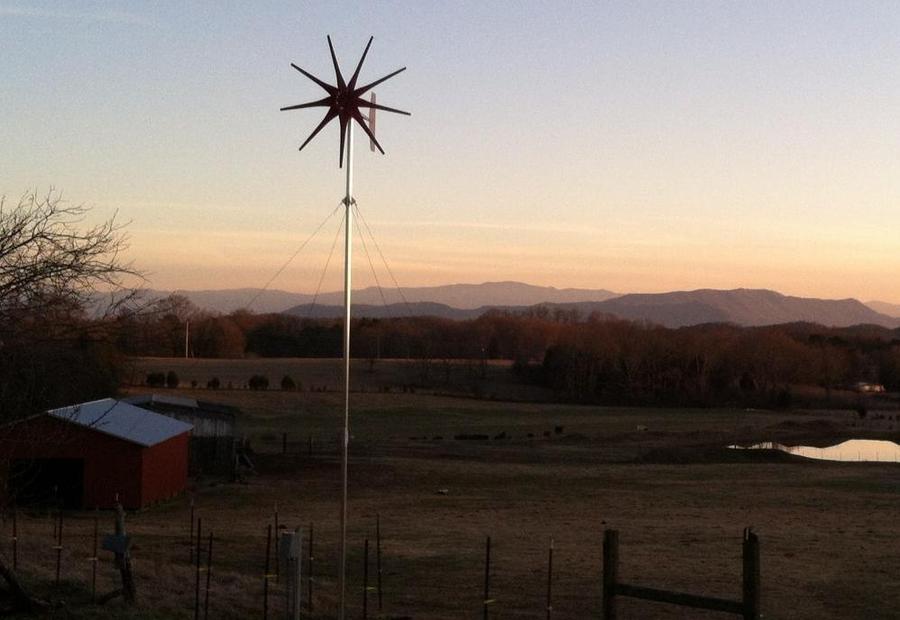
No matter which connectivity method you choose, powering your equipment sustainably is key. Solar panels paired with batteries are the most common solution, but wind and micro-hydro systems are also viable. Efficient power management ensures your modem, router, and any boosters stay online without draining your resources.
For more insights on integrating smart technology into your setup, consider exploring modern off-grid homesteading strategies that blend technology with self-sufficiency.
Cost Considerations and Planning for the Long Term
Budgeting for off-grid internet solutions involves more than just the monthly service fee. Equipment costs, installation, and ongoing maintenance all add up. It’s wise to compare providers, check for hidden fees, and factor in the cost of power systems. Some providers offer discounts for rural users or flexible plans tailored to seasonal needs.
Planning ahead can help you avoid unexpected expenses and ensure your setup remains reliable for years to come.
Tips for Maximizing Your Connection in Remote Settings
- Position antennas and dishes for the clearest line of sight to satellites or cell towers.
- Use signal boosters and high-quality cables to minimize loss.
- Monitor data usage to avoid overages and throttling.
- Schedule large downloads or updates during off-peak hours.
- Keep firmware and software up to date for security and performance.
Staying proactive with maintenance and monitoring can make a significant difference in your daily experience.
Learning from Others: Community and Resources
Many have already navigated the challenges of rural connectivity. Reading off-grid living success stories can provide valuable insights and inspiration. Online forums, local groups, and publications such as Mother Earth News’ guide to building an off-grid homestead offer practical advice and real-world examples.
Connecting with others can help you troubleshoot issues, discover new technologies, and stay motivated on your journey.
Frequently Asked Questions
What is the most reliable internet option for off-grid living?
Satellite internet is often the most reliable choice for those living far from traditional infrastructure. With advancements in low-earth orbit satellites, speeds and reliability have improved, though weather and latency can still be factors.
Can I use my cell phone plan for home internet in a remote area?
Yes, if you have adequate coverage, a mobile hotspot or tethering can provide internet access. However, data caps and coverage gaps may limit this option, so it’s best used in combination with other solutions or as a backup.
How do I power my internet equipment off the grid?
Solar panels with battery storage are the most common way to power modems, routers, and boosters. Wind and micro-hydro systems can supplement or replace solar, depending on your location and resources.
Are there affordable options for rural internet?
Community networks and shared systems can help reduce costs. Some providers also offer rural discounts or flexible plans. Researching all available options and combining technologies can help you find the most cost-effective solution.
For more on the realities of rural living, see the rural off-grid lifestyle guide.
Conclusion
Staying connected while living off the grid is entirely possible with the right mix of technology, planning, and resourcefulness. By understanding your options and learning from others, you can choose the off-grid internet solutions that best fit your needs and lifestyle. Whether you rely on satellite, cellular, or a hybrid approach, a reliable connection can help you thrive in even the most remote locations.
For more tips and to debunk common misconceptions, check out off-grid homesteading myths.