Net-zero building standards explained is a topic gaining momentum as more homeowners, builders, and policymakers seek ways to reduce carbon emissions and energy costs. These standards set the framework for constructing and operating buildings that produce as much energy as they consume over the course of a year. Understanding the criteria behind these standards is essential for anyone interested in sustainable construction, whether you’re planning a new build, retrofitting an existing home, or simply curious about the future of green architecture.
In this guide, we’ll break down the key principles, certification systems, and practical steps involved in achieving net-zero status. We’ll also highlight how these standards differ from other green building benchmarks, and why they matter for the environment and your long-term savings.

If you’re new to the world of sustainable construction, the net-zero home construction guide for beginners offers a step-by-step introduction to the concepts and processes involved in building a truly energy-efficient home.
What Does Net-Zero Mean in Building Design?
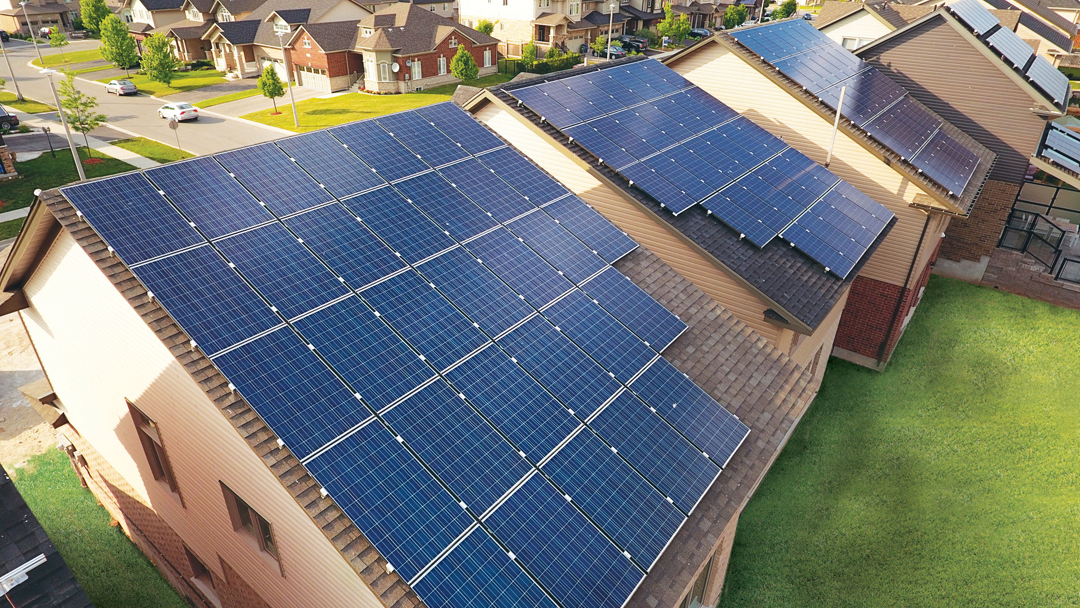
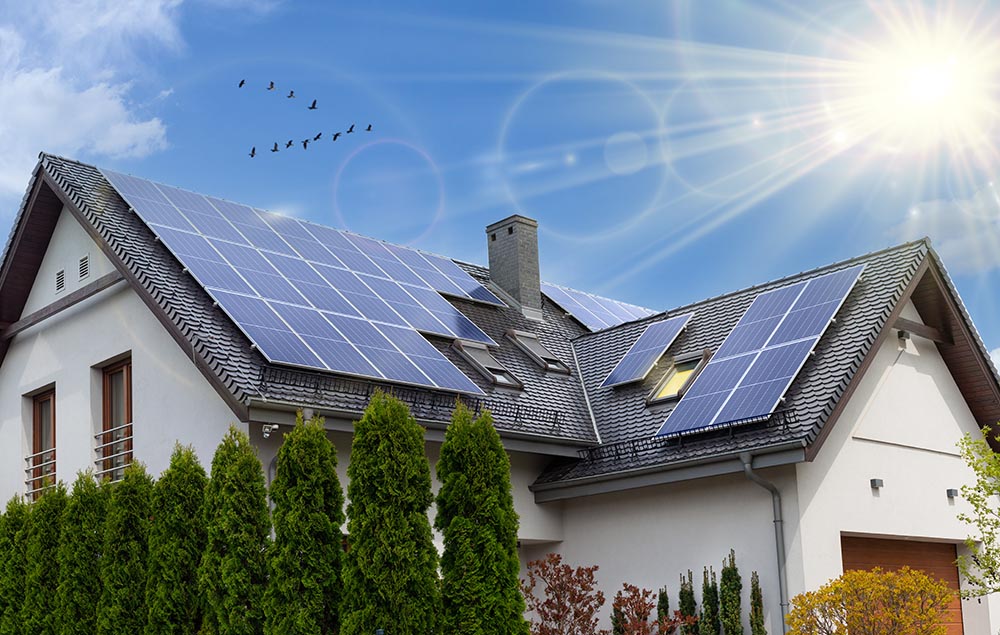
At its core, a net-zero building is designed to balance the amount of energy it consumes with the amount it generates from renewable sources. This means that over a typical year, the building’s energy use is offset by on-site energy production, most commonly through solar panels or other renewable technologies.
To achieve this, net-zero construction focuses on three main strategies:
- Reducing energy demand through efficient design, insulation, and appliances
- Producing renewable energy on-site to cover remaining needs
- Monitoring and optimizing energy use to maintain balance over time
This approach is more comprehensive than simply adding solar panels to a conventional building. It requires integrating energy efficiency into every stage of design and construction.
Key Criteria for Net-Zero Certification
Various organizations have developed standards and certification programs to define and verify net-zero performance. While the specifics may vary, most systems share several core requirements:
- Energy Efficiency: The building envelope (walls, roof, windows) must meet strict insulation and air-sealing requirements to minimize heat loss or gain.
- Renewable Energy Generation: On-site systems, such as photovoltaic panels, must be capable of producing enough clean energy to offset annual consumption.
- Performance Verification: Actual energy use and production are measured and documented, often over a full year, to confirm net-zero status.
- Low Carbon Footprint: Some standards also consider embodied carbon (the emissions from construction materials and processes) and water use.
Popular certification programs include the U.S. Department of Energy’s Zero Energy Ready Home, the International Living Future Institute’s Zero Energy Certification, and the Passive House standard (which focuses on ultra-low energy use, often paired with renewables).
How Net-Zero Standards Differ from Other Green Building Benchmarks
While net-zero criteria focus specifically on energy balance, other green building standards—such as LEED or BREEAM—take a broader approach, evaluating water use, materials, indoor air quality, and site impact. Net-zero certification can be pursued alongside these programs, but it requires a more targeted commitment to energy performance and renewable generation.
For those interested in the foundational principles of sustainable home design, the net-zero house design basics article covers essential strategies for beginners, including passive solar orientation, thermal mass, and airtight construction.
Steps to Achieve Net-Zero in Residential and Commercial Projects
Reaching net-zero status involves a combination of smart design, advanced technology, and ongoing performance tracking. Here’s a typical roadmap:
- Site and Climate Analysis: Understand local weather patterns, solar access, and potential for renewable energy generation.
- Optimize Building Envelope: Use high-performance insulation, windows, and air-sealing to minimize heating and cooling loads.
- Efficient Systems and Appliances: Install ENERGY STAR-rated HVAC, lighting, and appliances to reduce baseline consumption.
- Renewable Energy Integration: Size and install solar photovoltaic (PV) or other renewable systems to match projected annual energy use.
- Commissioning and Monitoring: Use smart energy monitors and thermal imaging to identify leaks, inefficiencies, or underperforming systems.
- Verification and Certification: Track energy data over at least 12 months to confirm net-zero performance and apply for third-party certification.
For a detailed process, see the how to build a net-zero home guide, which provides a step-by-step overview for homeowners and builders.
Benefits of Meeting Net-Zero Criteria
Committing to these rigorous standards offers several advantages:
- Lower Utility Bills: By producing as much energy as you use, you can dramatically reduce or even eliminate monthly energy costs.
- Environmental Impact: Net-zero buildings help reduce greenhouse gas emissions and reliance on fossil fuels.
- Increased Comfort and Health: Superior insulation and ventilation improve indoor air quality and temperature stability.
- Resilience: On-site energy generation provides greater independence from grid outages and rising energy prices.
- Higher Property Value: Certified net-zero homes are increasingly sought after in the real estate market.
For a deeper dive into the practicalities and definitions, the what is net-zero home construction resource clarifies key terms and concepts.
Common Challenges and Solutions
While the benefits are clear, achieving net-zero can present challenges, especially in existing buildings or regions with less solar access. Some common hurdles include:
- Upfront Costs: High-performance materials and renewable systems can increase initial investment, though incentives and long-term savings often offset these costs.
- Design Complexity: Integrating all systems for optimal performance requires careful planning and collaboration among architects, engineers, and builders.
- Verification: Accurately tracking energy use and production is essential. Tools like smart energy monitors and thermal cameras can help identify inefficiencies.
Many homeowners and builders find success by working with experienced professionals and leveraging resources such as the comprehensive overview of net-zero homes from industry experts.
FAQ: Net-Zero Building Standards and Criteria
What is the difference between net-zero energy and net-zero carbon?
Net-zero energy means a building produces as much renewable energy as it consumes over a year. Net-zero carbon goes a step further, offsetting all carbon emissions from both energy use and building materials, often through carbon credits or additional renewable investments.
Can older homes be upgraded to meet net-zero standards?
Yes, retrofitting existing homes is possible, though it may require significant upgrades to insulation, windows, HVAC systems, and the addition of renewable energy sources. Energy audits and phased improvements can help homeowners move toward net-zero performance over time.
Are there financial incentives for building to net-zero standards?
Many regions offer tax credits, rebates, and grants for energy-efficient construction and renewable energy installations. These incentives can help offset the higher upfront costs and accelerate the return on investment for net-zero projects.
How do I verify if my building meets net-zero criteria?
Verification typically involves tracking energy use and production over a full year, using utility bills and monitoring devices. Third-party certification programs provide formal recognition and ensure all criteria are met.
Conclusion
Understanding the criteria for net-zero buildings is a crucial step toward a more sustainable and cost-effective future. By focusing on energy efficiency, renewable generation, and performance verification, homeowners and builders can create spaces that are comfortable, resilient, and environmentally responsible. Whether you’re starting from scratch or improving an existing property, the journey to net-zero is both achievable and rewarding with the right knowledge and resources.