
Thoughtful window placement is a cornerstone of net-zero home design. The way windows are positioned and sized has a direct impact on natural lighting, passive heating and cooling, and the overall energy efficiency of a home. By optimizing window orientation and selection, homeowners and builders can harness sunlight to reduce reliance on artificial lighting and mechanical systems, making it possible to achieve net-zero energy goals.
This article explores the principles and strategies behind effective window layout for energy-efficient homes. We’ll examine how orientation, glazing, and shading work together to balance daylight, comfort, and thermal performance. For those interested in broader strategies, the net-zero home design strategies guide offers a comprehensive overview of the topic.
Understanding Orientation and Solar Gain
One of the most influential factors in window layout is orientation—the direction windows face relative to the sun. In the northern hemisphere, south-facing windows capture the most sunlight throughout the year, making them ideal for maximizing passive solar heating in winter. North-facing windows provide even, indirect light with minimal heat gain, while east- and west-facing windows experience strong but shorter periods of sun exposure.
Proper orientation can significantly reduce heating and cooling loads. For a deeper dive into this topic, see orientation for net-zero homes explained, which details how building position and window direction affect solar access and energy use.
Balancing Daylighting and Thermal Performance
Daylighting is the use of natural light to illuminate interior spaces, reducing the need for electric lighting. However, bringing in sunlight also means introducing heat, which can be beneficial in winter but problematic in summer. The challenge is to strike a balance between daylight and thermal comfort.
- South-facing windows are best for winter heating and year-round daylight. Use larger, well-shaded windows here.
- North-facing windows offer soft, consistent light without overheating. Moderate sizes are ideal.
- East and west windows can cause glare and unwanted heat gain. Limit their size or use advanced glazing.
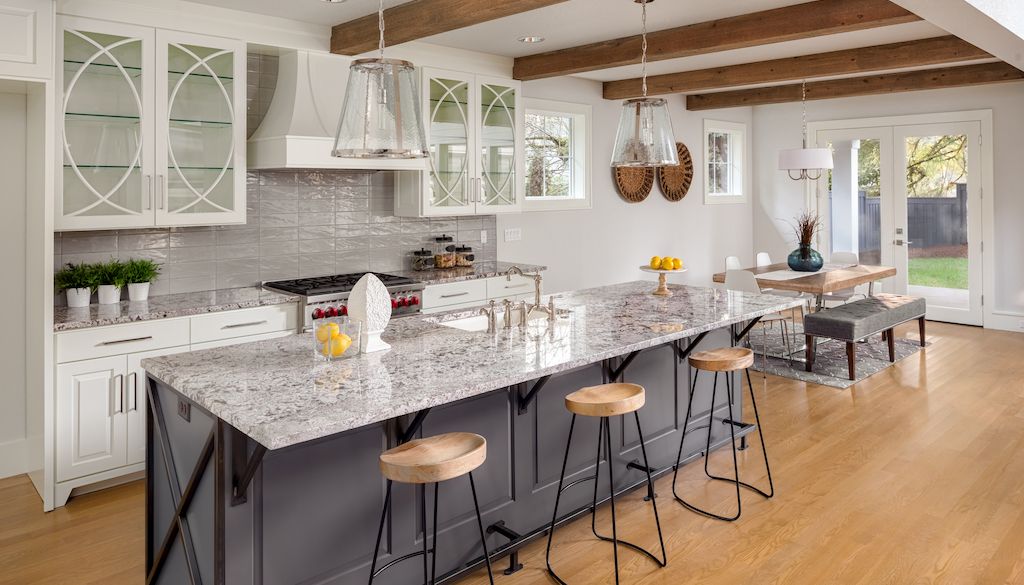
Window placement should also consider room function. Living areas and kitchens benefit from ample daylight, while bedrooms may require less direct sun for comfort and privacy.
Glazing Choices and Window Technologies
Modern window technologies play a crucial role in energy-efficient home design. The type of glass, coatings, and frame materials all affect how much light and heat a window transmits or blocks. Key considerations include:
- Low-emissivity (Low-E) coatings reflect infrared heat while allowing visible light, helping to keep interiors cool in summer and warm in winter.
- Double or triple glazing improves insulation and reduces heat transfer compared to single-pane windows.
- Gas fills (such as argon or krypton) between panes further enhance thermal performance.
- Thermally broken frames minimize heat loss through the window structure itself.
Choosing the right combination of glazing and frame materials can dramatically improve comfort and lower energy bills. For more on how insulation complements window strategies, review insulation requirements net-zero homes.
Shading and Overhangs: Controlling Heat and Glare
Even with high-performance windows, controlling direct sunlight is essential for comfort and efficiency. Shading devices such as roof overhangs, awnings, exterior blinds, and landscaping can block unwanted summer sun while allowing winter rays to penetrate.
- Fixed overhangs are sized based on latitude and window height to block high-angle summer sun but admit low-angle winter sun.
- Operable shades or blinds provide flexibility for changing conditions and occupant preferences.
- Deciduous trees planted on the south or west sides can provide seasonal shade and reduce cooling loads.
Integrating shading into the architectural design ensures that windows deliver daylight and views without causing overheating or glare.
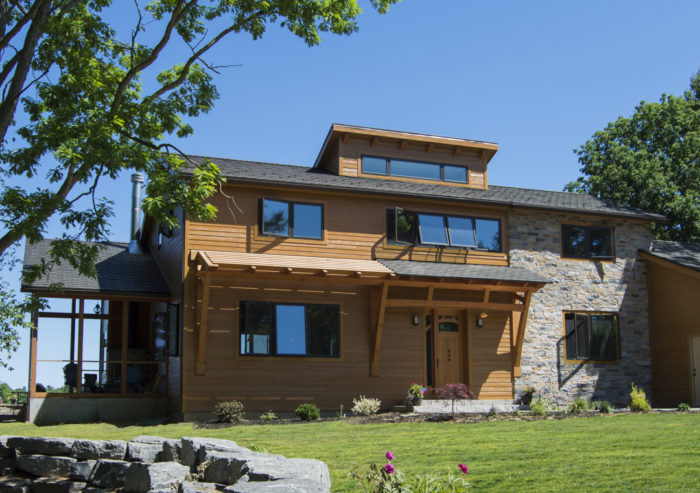
Integrating Windows with Passive Solar Design
Passive solar principles are central to net-zero construction. By aligning windows, thermal mass, and insulation, homes can capture and store solar energy during the day and release it at night. Key strategies include:
- Placing most glazing on the south side for maximum winter gain.
- Minimizing east and west windows to reduce overheating.
- Using interior materials like concrete or tile floors to absorb and re-radiate heat.
- Ensuring airtight construction to prevent drafts and heat loss.
For a foundational overview, see passive design net-zero home basics, which covers how natural elements can be harnessed for comfort and efficiency.
Energy Modeling and Performance Testing
Before construction, energy modeling software can simulate how different window placements, sizes, and glazing types will affect a home’s energy use. This predictive approach allows designers to optimize layouts for the local climate and site conditions. After construction, tools like thermal imaging cameras and energy monitors can verify performance and identify areas for improvement.
For more on simulation and verification, the energy modeling net-zero homes resource provides practical guidance for builders and homeowners.
Common Mistakes and How to Avoid Them
Even with the best intentions, some common pitfalls can undermine the benefits of strategic window design:
- Oversized windows on east or west walls leading to overheating and glare.
- Neglecting shading devices, resulting in excessive summer heat gain.
- Using low-quality glazing that allows too much heat transfer.
- Poor air sealing around windows, causing drafts and energy loss.
Careful planning, quality materials, and attention to detail are essential for achieving true net-zero performance.
Resources and Further Reading
For those looking to deepen their understanding of sustainable building, this guide to net-zero home building offers practical advice and case studies. Combining these insights with the strategies outlined above will help ensure that your window choices contribute to a comfortable, efficient, and resilient home.
Frequently Asked Questions
What is the best orientation for windows in a net-zero house?
South-facing windows are generally preferred in the northern hemisphere, as they maximize winter solar gain and daylight while allowing for effective shading in summer. North-facing windows provide diffuse light without significant heat gain. East and west windows should be minimized or carefully shaded to avoid overheating.
How do window technologies impact energy efficiency?
Advanced glazing options, such as double or triple panes with low-emissivity coatings and gas fills, greatly reduce heat transfer and improve comfort. Thermally broken frames and airtight installation further enhance performance, making it easier to achieve net-zero energy targets.
Can window placement reduce the need for artificial lighting?
Yes, strategic window placement can provide abundant natural light to living spaces, reducing reliance on electric lighting during the day. This not only saves energy but also improves indoor comfort and well-being.