
As the demand for sustainable living grows, builders are increasingly focused on net-zero home design strategies that minimize energy consumption and environmental impact. These approaches aim to create residences that generate as much energy as they use annually, resulting in a balanced or “net-zero” energy footprint. For modern construction professionals, understanding and applying these principles is essential to meet evolving codes, client expectations, and climate goals.
In this article, we’ll explore practical methods for designing and constructing energy-efficient homes that achieve net-zero performance. From selecting the right materials to integrating renewable energy systems, these strategies are tailored for today’s builders looking to deliver high-performance, future-ready homes.
For a deeper dive into the materials that make these homes possible, see our guide on energy efficient materials net-zero homes. Choosing the right products is a foundational step in any high-performance build.
Core Principles of Net-Zero Residential Design
Achieving a net-zero energy balance requires a holistic approach that addresses both energy demand and supply. The following core principles guide successful projects:
- Envelope Optimization: A well-insulated, airtight building shell reduces heating and cooling loads.
- Passive Design: Harnessing natural light, ventilation, and thermal mass to minimize mechanical energy use.
- Efficient Systems: Selecting high-performance HVAC, lighting, and appliances to lower operational energy.
- Onsite Renewables: Incorporating solar panels or other renewable sources to offset remaining energy needs.
Each of these pillars must work together to ensure the home’s total annual energy consumption is matched or exceeded by onsite generation.
Optimizing the Building Envelope for Energy Savings
The building envelope—walls, roof, windows, and foundation—is the first line of defense against energy loss. Effective net-zero home design strategies start with:
- High-Performance Insulation: Use advanced materials and techniques to meet or exceed code requirements. For more on this, our resource on insulation requirements net-zero homes offers detailed guidance.
- Air Sealing: Minimize drafts and leaks by sealing all penetrations and joints. Learn more about this crucial step in our article on airtight building net-zero construction.
- High-Performance Windows and Doors: Select triple-glazed or low-e products to reduce heat transfer.
Builders can use blower door tests and thermal imaging to verify airtightness and insulation effectiveness, ensuring the home performs as designed.
Passive Design Techniques for Modern Homes
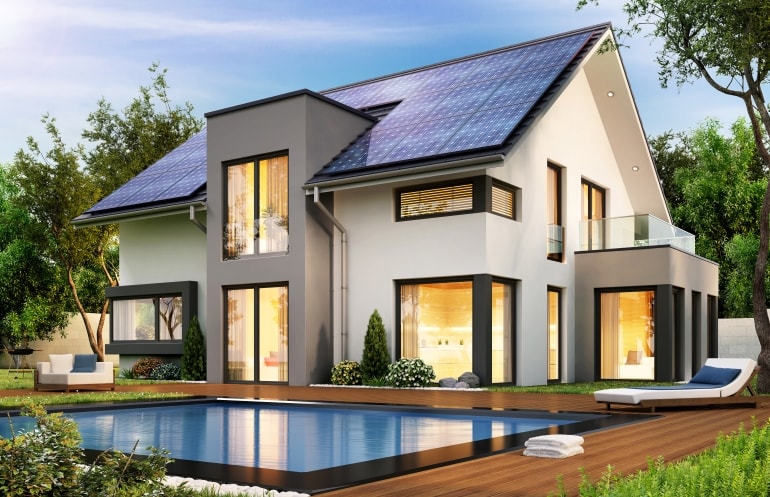
Passive design is a cornerstone of energy-efficient construction. By leveraging the site’s orientation, climate, and natural elements, builders can significantly reduce a home’s reliance on mechanical systems. Key tactics include:
- Strategic Window Placement: Maximize daylight and solar gain in winter, while minimizing overheating in summer.
- Thermal Mass: Use materials that absorb and release heat slowly, stabilizing indoor temperatures.
- Natural Ventilation: Design operable windows and cross-ventilation paths to reduce cooling loads.
For more on integrating these concepts, see passive design net-zero home basics, which covers how to harness natural resources for comfort and efficiency.
Advanced Energy Modeling and Performance Verification
Modern builders rely on energy modeling software to predict a home’s performance before construction begins. This process allows for:
- Comparing design options and their impact on energy use
- Optimizing insulation, windows, and mechanical systems
- Ensuring compliance with net-zero and green building standards
After construction, performance verification—such as blower door tests and monitoring energy use—confirms the home meets its targets. For a step-by-step overview, refer to our article on energy modeling net-zero homes.
Integrating Renewable Energy Systems
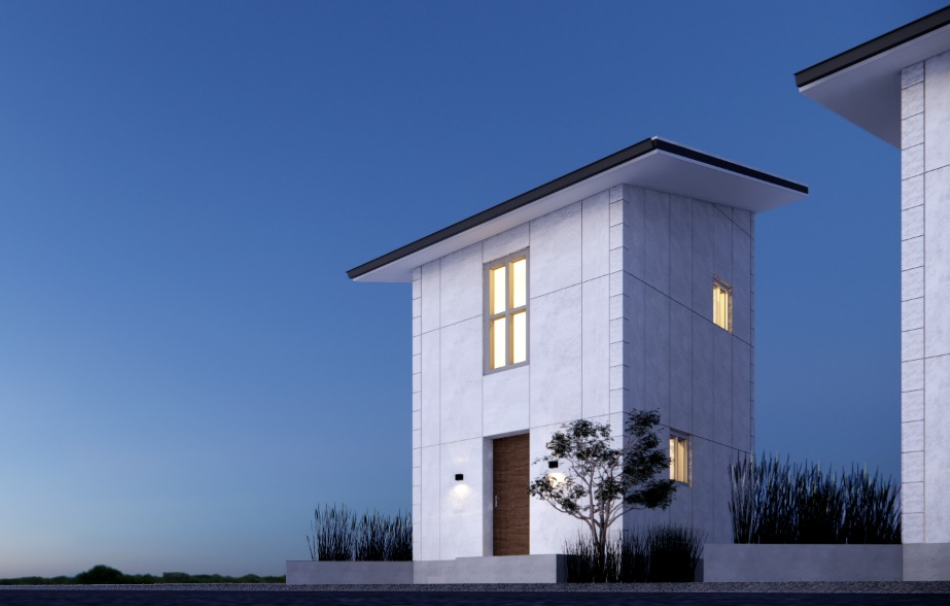
Once the home’s energy demand is minimized, the next step is to supply that energy with onsite renewables. Solar photovoltaic (PV) panels are the most common choice, but other options include wind turbines and solar thermal systems. Key considerations for builders include:
- System Sizing: Use energy modeling to determine the appropriate size of the renewable system.
- Roof Orientation and Shading: Ensure panels are positioned for maximum sun exposure.
- Grid Connection: Understand local regulations for net metering and grid-tied systems.
For a comprehensive overview of the construction process, this guide to building a net-zero home offers practical steps and real-world examples.
Smart Home Technologies and Energy Monitoring
Modern net-zero homes often incorporate smart technologies to monitor and manage energy use. These systems provide real-time feedback, helping homeowners identify opportunities for further savings. Features include:
- Smart thermostats and lighting controls
- Energy monitoring devices that track consumption by circuit or appliance
- Automated shading and ventilation systems
By integrating these tools, builders can deliver homes that are not only efficient but also easy for occupants to manage and maintain.
Best Practices for Builders Pursuing Net-Zero Projects
To ensure success with net-zero home design strategies, consider the following best practices:
- Early Collaboration: Involve architects, engineers, and energy consultants from the start.
- Continuous Education: Stay updated on new materials, technologies, and code requirements.
- Quality Assurance: Use third-party verification and testing to confirm performance targets are met.
- Client Communication: Educate homeowners about the operation and maintenance of their high-performance home.
By following these steps, builders can consistently deliver homes that meet or exceed net-zero goals, providing lasting value for clients and communities.
Frequently Asked Questions
What is the most important factor in achieving a net-zero energy home?
The most critical element is reducing the home’s overall energy demand through a well-insulated, airtight envelope and efficient systems. Once energy use is minimized, onsite renewable generation can offset the remaining needs.
How much more does it cost to build a net-zero home compared to a standard home?
While initial construction costs can be higher—typically 5–10% above conventional builds—long-term energy savings and incentives often offset the upfront investment. Costs vary based on location, design, and technology choices.
Can existing homes be retrofitted to achieve net-zero energy?
Yes, many existing homes can be upgraded with improved insulation, air sealing, efficient systems, and renewable energy installations. However, retrofits may face more constraints than new construction, so careful planning and energy modeling are essential.