Managing allergies at home often requires more than just medication and cleaning. One of the most effective, yet sometimes overlooked, strategies is improving ventilation for allergy control. Proper airflow helps reduce the concentration of indoor allergens such as dust mites, pollen, mold spores, and pet dander. By understanding how air movement and filtration work together, you can create a healthier living environment that supports better respiratory health and overall comfort.
Whether you’re renovating, building new, or simply looking to upgrade your current space, learning about the different types of ventilation systems and their impact on indoor air quality is essential. For those interested in broader home improvement strategies, you might also find value in exploring kitchen remodeling visual balance tips to create harmonious and functional spaces.

Why Airflow Matters for Allergy Sufferers
Indoor air can quickly become stagnant, especially in well-insulated homes. Without adequate ventilation, allergens accumulate and linger, increasing the likelihood of allergy symptoms. Fresh air circulation helps dilute and remove airborne irritants, while also controlling humidity—a key factor in preventing mold and dust mite growth.
- Reduces allergen buildup: Consistent airflow flushes out particles that trigger sneezing, coughing, and other reactions.
- Controls moisture: Proper ventilation keeps humidity in check, discouraging mold and mildew.
- Improves comfort: Balanced air movement prevents stuffiness and makes indoor spaces more pleasant.
Types of Home Ventilation Systems for Allergy Relief
There are several ways to enhance ventilation for allergy control in residential settings. Each method offers unique benefits depending on your home’s layout, climate, and specific allergy concerns.
Natural Ventilation
Opening windows and doors is the simplest way to let fresh air in and push stale air out. Cross-ventilation, where air enters from one side of the house and exits from the other, is especially effective. However, this method is weather-dependent and may not be suitable during high pollen seasons or in areas with outdoor pollution.
Mechanical Ventilation
Mechanical systems provide controlled, consistent airflow regardless of outdoor conditions. Common options include:
- Exhaust Fans: Installed in kitchens, bathrooms, and laundry rooms to remove moisture and odors.
- Whole House Fans: Draw air through open windows and exhaust it through the attic, quickly refreshing indoor air.
- Heat Recovery Ventilators (HRVs) and Energy Recovery Ventilators (ERVs): Exchange stale indoor air with filtered outdoor air while minimizing energy loss.
For a detailed comparison of different ventilation setups, see this guide to house ventilation systems.

Air Filtration and Purification
While ventilation brings in fresh air, filtration removes particles that can cause allergic reactions. High-efficiency particulate air (HEPA) filters are especially effective at capturing dust, pollen, and pet dander. Many modern ventilation systems can be paired with filtration units for enhanced protection.
Best Practices for Cleaner Indoor Air
To maximize the benefits of improved airflow, consider these practical steps:
- Maintain HVAC Filters: Replace or clean filters regularly to ensure optimal performance and allergen removal.
- Use Exhaust Fans: Run fans during and after activities that generate moisture or odors, such as cooking and showering.
- Seal Air Leaks: Prevent outdoor allergens from entering by sealing gaps around windows, doors, and ductwork.
- Control Humidity: Keep indoor humidity between 30–50% to discourage dust mites and mold.
- Schedule Regular Cleaning: Dust and vacuum frequently, especially in areas with high airflow, to remove settled allergens.
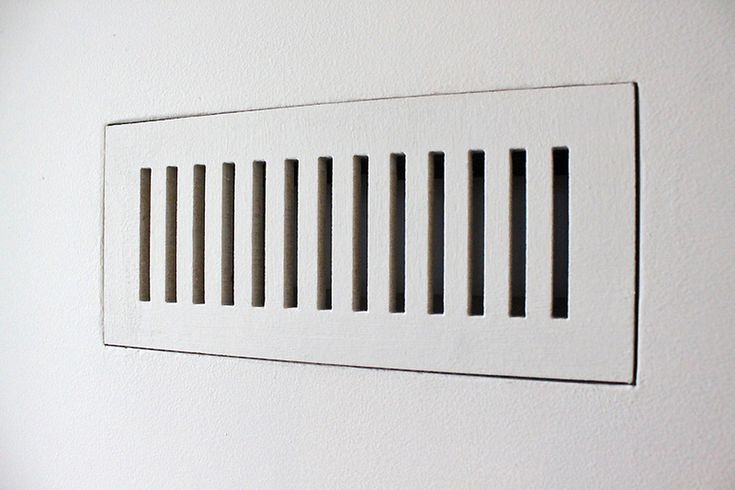
Integrating Ventilation Strategies with Home Design
When planning renovations or new builds, it’s wise to incorporate airflow solutions from the start. Positioning windows for cross-ventilation, selecting low-emission building materials, and installing dedicated exhaust systems all contribute to a healthier home. For those updating kitchens, integrating ventilation with design can also support both function and style. If you’re interested in more design-focused advice, consider reading about kitchen remodeling hardware style guide to complement your allergy-friendly upgrades.
Common Mistakes to Avoid
Even with the best intentions, some practices can undermine efforts to control indoor allergens:
- Neglecting to maintain or replace air filters regularly.
- Blocking vents with furniture or drapes, which restricts airflow.
- Relying solely on open windows during high pollen seasons, which can introduce more allergens.
- Ignoring humidity control, leading to mold and dust mite problems.
Frequently Asked Questions
How does ventilation help reduce allergy symptoms?
Improved airflow removes airborne particles such as dust, pollen, and pet dander, lowering their concentration indoors. It also helps control humidity, making the environment less hospitable to mold and dust mites—two common allergy triggers.
What type of ventilation system is best for allergy control?
The ideal solution depends on your home’s needs. Mechanical options like whole house fans, HRVs, or ERVs offer consistent, filtered airflow. Pairing these with HEPA filtration provides the best protection against allergens.
Can I use natural ventilation if I have allergies?
Natural airflow is beneficial, but during high pollen seasons or in polluted areas, it may introduce more allergens. In these cases, mechanical systems with filtration are preferable for maintaining clean indoor air.
How often should I replace air filters for allergy control?
It’s recommended to check filters monthly and replace them every 1–3 months, or more frequently if you have pets or live in a high-pollen area. Clean filters ensure your system effectively removes allergens from the air.
Conclusion
Prioritizing ventilation for allergy control is a practical step toward a healthier, more comfortable home. By combining effective airflow with filtration and humidity management, you can significantly reduce indoor allergens and improve your quality of life. Whether you’re making small upgrades or planning a major renovation, integrating these strategies will help you breathe easier year-round.