
Integrating daylighting strategies is a cornerstone of achieving net-zero energy goals in modern construction. By maximizing the use of natural light, builders and designers can significantly reduce reliance on artificial lighting, lower energy consumption, and create healthier, more comfortable indoor environments. This approach not only supports sustainability but also enhances occupant well-being and productivity.
Understanding how to harness sunlight effectively is essential for anyone involved in sustainable building. From window placement and glazing choices to the orientation of the structure, each decision impacts how much daylight enters a space and how efficiently it is used. For those looking to deepen their understanding of related topics, exploring window placement net-zero home design offers valuable insights into optimizing both lighting and thermal performance.
Why Natural Light Matters in Sustainable Building
Natural daylight is more than just a design feature—it is a critical component of energy-efficient construction. By prioritizing daylighting, buildings can:
- Reduce energy use by minimizing the need for electric lighting during daylight hours.
- Lower cooling loads, as well-designed daylighting reduces unwanted heat gain.
- Enhance indoor environmental quality, supporting occupant health and comfort.
- Increase property value and market appeal by creating bright, inviting spaces.
For builders and homeowners aiming for net-zero performance, integrating natural light solutions is a practical step toward achieving ambitious energy targets.
Core Principles of Daylighting in Energy-Efficient Construction
Effective daylighting relies on a few fundamental principles that guide design and construction decisions:
- Building orientation: Positioning the structure to maximize southern exposure (in the northern hemisphere) ensures consistent daylight throughout the year.
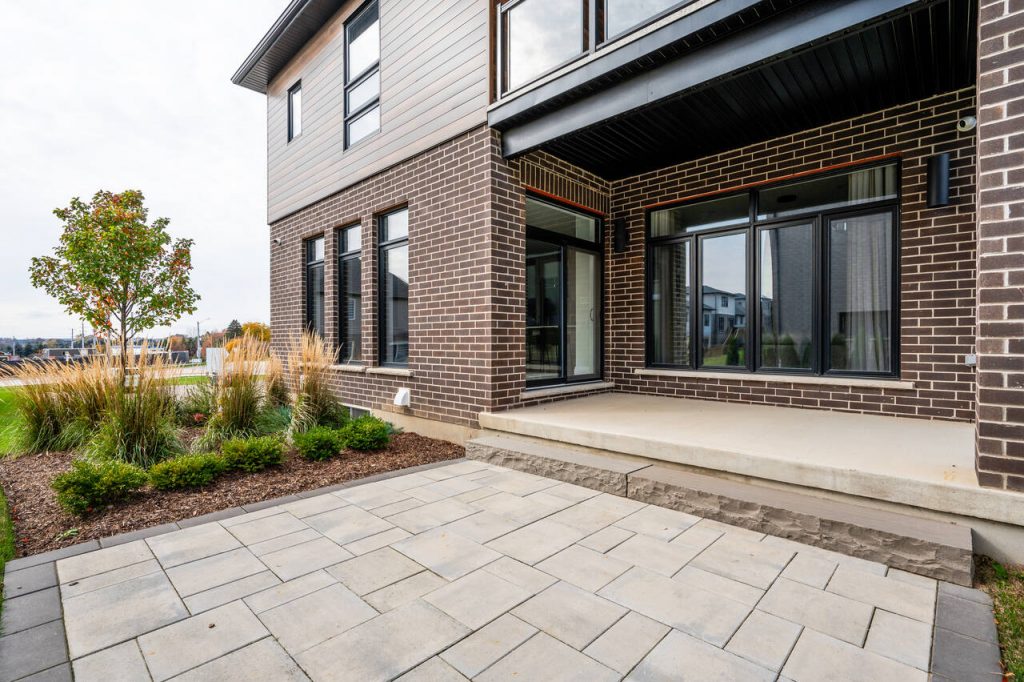
- Window-to-wall ratio: Balancing the size and placement of windows helps control light levels and minimize heat loss or gain.
- Glazing selection: High-performance glazing can admit visible light while blocking unwanted infrared and ultraviolet rays.
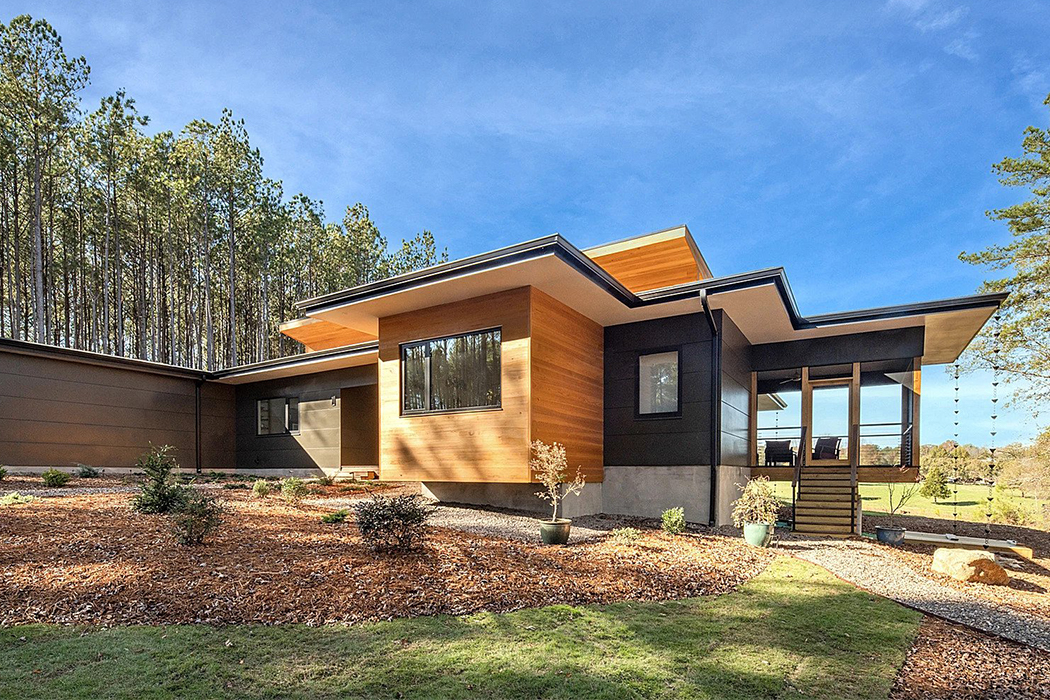
- Shading devices: Overhangs, louvers, and exterior shades prevent glare and overheating during peak sun hours.
- Interior finishes: Light-colored walls and ceilings reflect daylight deeper into the space, reducing the need for artificial lighting.
These strategies, when combined, form the foundation of successful daylighting in net-zero projects.
Key Daylighting Approaches for Net-Zero Projects
There are several proven methods for bringing daylight deep into buildings while maintaining energy efficiency. Here are some of the most effective techniques:
Optimized Window Placement and Sizing
Strategic window placement is essential for maximizing sunlight while minimizing glare and heat gain. Placing larger windows on the south side and smaller ones on the north, east, and west can help balance light and thermal performance. For more on this topic, see net-zero home design strategies for modern builders.
Use of Skylights and Light Tubes
Skylights and tubular daylight devices can deliver natural light to interior spaces that might otherwise remain dark. These features are especially useful in single-story homes or rooms located far from exterior walls.
Exterior Shading and Overhangs
Fixed or adjustable shading devices, such as roof overhangs and pergolas, block high-angle summer sun while allowing lower-angle winter sunlight to enter. This passive solar design approach helps regulate indoor temperatures and reduces cooling loads.
High-Performance Glazing
Modern glazing technologies, including low-emissivity (low-E) coatings and insulated frames, allow for abundant daylight without sacrificing energy performance. Selecting the right glass type for each orientation is crucial for balancing light transmission and thermal control.
Reflective Interior Surfaces
Finishes that reflect light, such as pale paint colors and glossy surfaces, can distribute daylight more evenly throughout a room. This reduces the need for artificial lighting and enhances the sense of spaciousness.
Integrating Daylighting with Other Net-Zero Strategies
Daylighting should not be considered in isolation. It works best when coordinated with other energy-saving measures, such as:
- Advanced insulation and airtight construction to minimize heat loss.
- Efficient HVAC systems that respond to variable solar gains.
- Smart lighting controls that dim or switch off electric lights when daylight is sufficient.
- Thoughtful layout planning for net-zero house design to ensure key living spaces receive optimal daylight.
By integrating these elements, buildings can achieve true net-zero performance while providing comfortable, well-lit interiors.

Common Challenges and Solutions in Daylighting Design
While the benefits of daylighting are clear, some challenges must be addressed to ensure optimal results in net-zero buildings:
- Glare control: Use of diffusing glass, interior blinds, or exterior shading can prevent discomfort from direct sunlight.
- Thermal comfort: Properly sized and oriented openings, along with high-performance glazing, help avoid overheating and heat loss.
- Privacy: Thoughtful placement of windows and use of translucent materials can maintain privacy without sacrificing light.
- Integration with building systems: Automated lighting controls and sensors ensure that electric lights are used only when needed.
Addressing these issues early in the design process leads to more successful daylighting outcomes.
Resources for Further Learning
For those interested in practical steps to make their homes more energy efficient, this guide to making your home net zero provides actionable advice. Additionally, understanding orientation for net-zero homes explained can help maximize solar gains and daylighting potential.
Architects and builders can also benefit from exploring architectural design net-zero homes for insights on blending aesthetics with high-performance daylighting solutions.
FAQ
What are the main benefits of using daylighting in net-zero buildings?
Daylighting reduces energy consumption, lowers utility costs, improves occupant comfort, and supports healthier indoor environments. It also contributes to the overall sustainability and value of the property.
How do you prevent glare and overheating when maximizing daylight?
Effective glare and heat control can be achieved through exterior shading devices, high-performance glazing, and interior window treatments. Proper building orientation and window placement are also crucial for balancing light and thermal comfort.
Can daylighting strategies be retrofitted into existing homes?
Yes, many daylighting techniques—such as adding skylights, using light tubes, or updating window glazing—can be incorporated into existing structures. Consulting with a professional can help identify the best options for each unique situation.