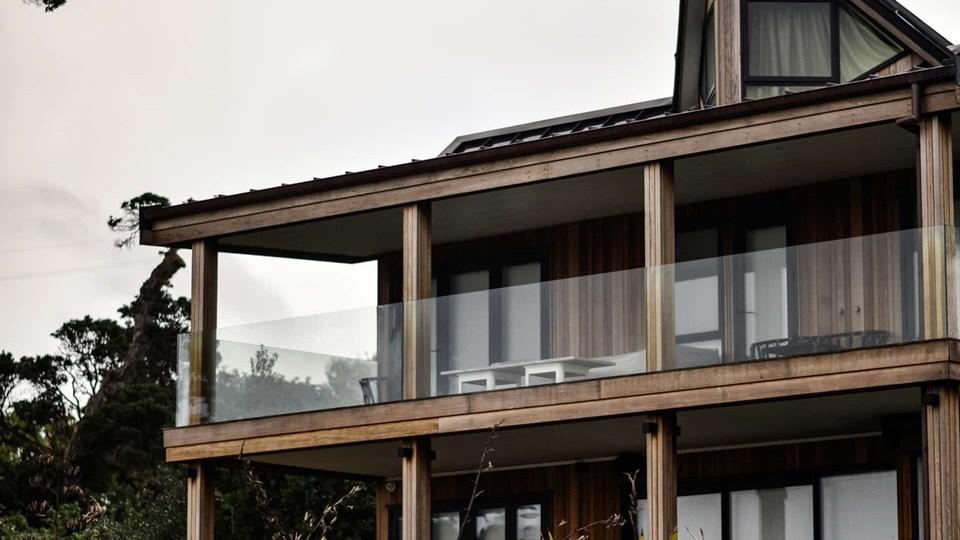
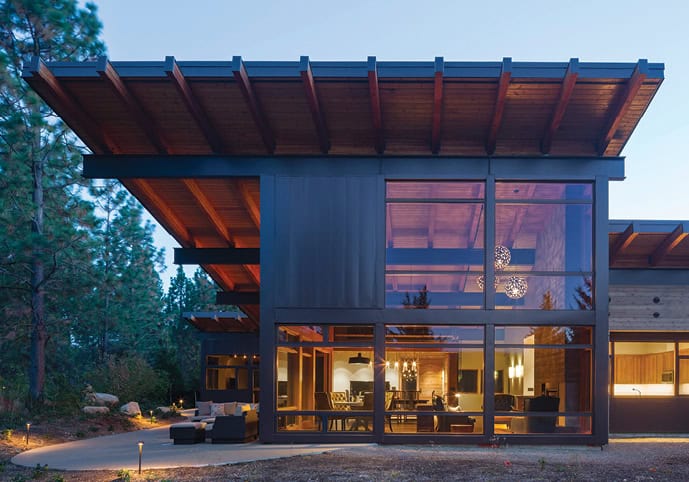
Designing a home that achieves net-zero energy performance requires more than just adding solar panels or high-efficiency appliances. Layout planning net-zero house design is a foundational step that determines how effectively your home will use energy, maximize comfort, and minimize environmental impact. By carefully considering how each space is arranged and interacts with natural elements, you can create a living environment that is both sustainable and functional.
In this guide, we’ll explore the essential principles and strategies for organizing your home’s layout to support net-zero goals. You’ll learn how orientation, zoning, room placement, and circulation all play a role in reducing energy demand and enhancing everyday living. For a deeper understanding of how orientation affects energy performance, see our article on orientation for net-zero homes explained.
Why Thoughtful Space Organization Matters in Sustainable Homes
Effective layout planning net-zero house design is about more than aesthetics. It’s about aligning your home’s structure with its environment and intended use. A well-planned layout can:
- Reduce heating and cooling loads by leveraging passive solar gain and natural ventilation
- Improve daylighting, reducing the need for artificial lighting
- Enhance comfort by minimizing temperature swings and drafts
- Support efficient movement and daily routines
- Facilitate future upgrades or changes to energy systems
By integrating these principles early in the design process, you lay the groundwork for a home that is easier to maintain, more comfortable, and truly energy efficient.
Key Principles for Net-Zero Floor Plans
When approaching layout planning for a net-zero house, several core principles should guide your decisions:
1. Optimize Building Orientation
Positioning your home to take advantage of the sun’s path is one of the most effective ways to reduce energy use. In most climates, orienting the longest walls to face south (in the northern hemisphere) maximizes winter solar gain and minimizes summer overheating. Strategic window placement and overhangs help control light and heat throughout the year. For more on this, refer to our guide on orientation for net-zero homes explained.
2. Zoning for Efficiency and Comfort
Divide your home into zones based on usage and heating/cooling needs. Group spaces with similar functions together—such as bedrooms on one side and living areas on another. Place rooms that need more warmth (like living rooms) on the south side, while utility spaces (garages, storage) can buffer the north side, reducing heat loss.
3. Compact and Simple Shapes
Homes with compact, rectangular forms are easier to insulate and have fewer thermal bridges. Avoiding complex shapes and unnecessary corners helps maintain a continuous thermal envelope, which is crucial for minimizing energy loss.
4. Smart Circulation and Flow
Efficient circulation means fewer hallways and wasted space. Open floor plans can help with natural light distribution and ventilation, but be mindful of privacy and acoustic needs. Consider how people will move through the home and how air will circulate naturally.
Integrating Passive Design Strategies
Passive design is a cornerstone of high-performance homes. By harnessing natural energy flows, you can reduce reliance on mechanical systems. Key passive strategies include:
- Daylighting: Position windows and skylights to maximize natural light in main living areas.
- Thermal Mass: Use materials like concrete or stone floors to absorb and release heat, stabilizing indoor temperatures.
- Natural Ventilation: Align windows and vents to promote cross-breezes, reducing the need for air conditioning.
- Shading: Design roof overhangs, awnings, or plant deciduous trees to block summer sun while allowing winter warmth.
For a deeper dive into these techniques, see our article on passive design net-zero home basics.
Room Placement and Functional Zoning
Thoughtful room placement is essential for both comfort and efficiency. Here’s how to approach it:
- Living Spaces: Place living rooms, kitchens, and dining areas on the south or southeast side for warmth and light.
- Bedrooms: Locate bedrooms on the east for morning sun or on the west for evening light, depending on preferences.
- Service Areas: Use garages, laundry rooms, and storage as buffers on the north or west sides to shield living spaces from cold winds.
- Bathrooms and Utility Rooms: Cluster these spaces to minimize plumbing runs and reduce heat loss from pipes.
Grouping rooms with similar heating and cooling needs helps reduce the load on your HVAC system, a key aspect of layout planning net-zero house design.
Envelope, Insulation, and Air Sealing Considerations
The building envelope—the walls, roof, and foundation—plays a critical role in energy efficiency. A compact layout with fewer exterior corners is easier to insulate and seal. Prioritize:
- Continuous, high-performance insulation throughout the envelope
- Minimizing penetrations and thermal bridges
- Careful air sealing to prevent drafts and heat loss
For a detailed look at insulation best practices, check out our resource on insulation requirements net-zero homes.
Integrating Renewable Energy and Mechanical Systems
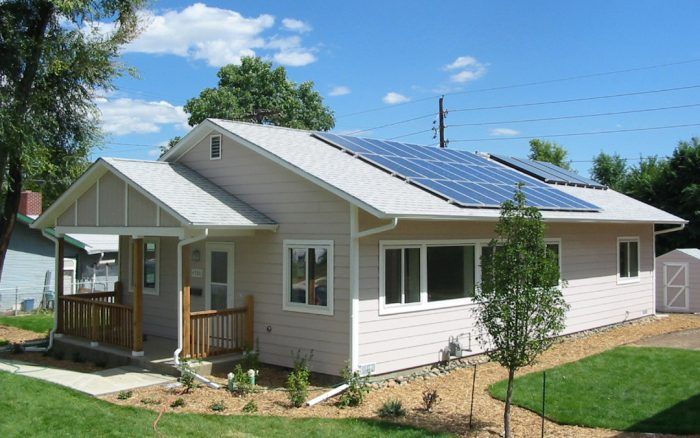
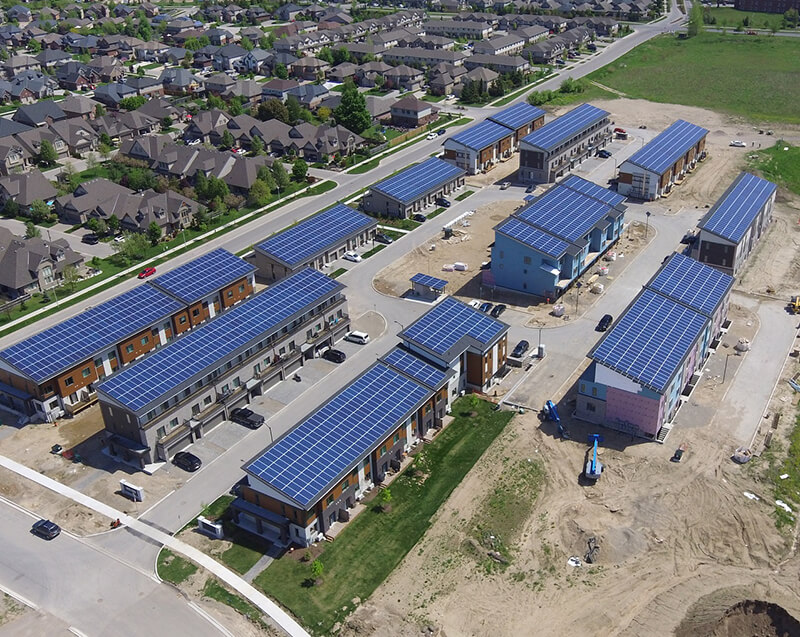
While passive design and efficient layout reduce energy demand, renewable energy systems like solar panels are often needed to reach net-zero. Plan for:
- Roof space and orientation suitable for solar panels
- Mechanical rooms that are centrally located to minimize duct and pipe runs
- Space for future upgrades, such as battery storage or heat pumps
Using comprehensive net-zero building strategies ensures that your home can adapt to evolving technologies and energy needs.
Design Tools and Modeling for Net-Zero Layouts
Energy modeling software can help you test different floor plans and predict energy performance before construction begins. By simulating sunlight, airflow, and thermal performance, you can make informed decisions about window placement, insulation, and mechanical systems. For more on this process, see our article on energy modeling net-zero homes.
Common Mistakes to Avoid in Net-Zero Layouts
- Ignoring site orientation and local climate
- Overcomplicating the floor plan with unnecessary corners or wings
- Underestimating the importance of air sealing and insulation continuity
- Failing to plan for future energy upgrades
- Neglecting the impact of window placement on comfort and energy use
By avoiding these pitfalls, you can ensure your home is truly optimized for energy efficiency and comfort.
Frequently Asked Questions
What is the most important factor in planning a net-zero home layout?
The most critical factor is aligning the home’s orientation and room placement with the local climate and sun path. This maximizes passive solar gain, improves natural lighting, and reduces the need for mechanical heating and cooling.
How does zoning help with energy efficiency?
Zoning groups rooms with similar heating and cooling needs together. This approach allows for more targeted temperature control, reduces energy waste, and enhances overall comfort.
Can I retrofit an existing home for net-zero performance?
While it’s more challenging than starting from scratch, many existing homes can be upgraded with improved insulation, air sealing, and renewable energy systems. However, some layout limitations may remain, so consult with a professional to assess feasibility.
Conclusion
Careful layout planning net-zero house design is essential for achieving energy efficiency, comfort, and long-term sustainability. By focusing on orientation, zoning, passive strategies, and envelope integrity, you set the stage for a home that meets net-zero goals and adapts to future needs. For more strategies on building sustainable homes, explore our article on net-zero home design strategies.