
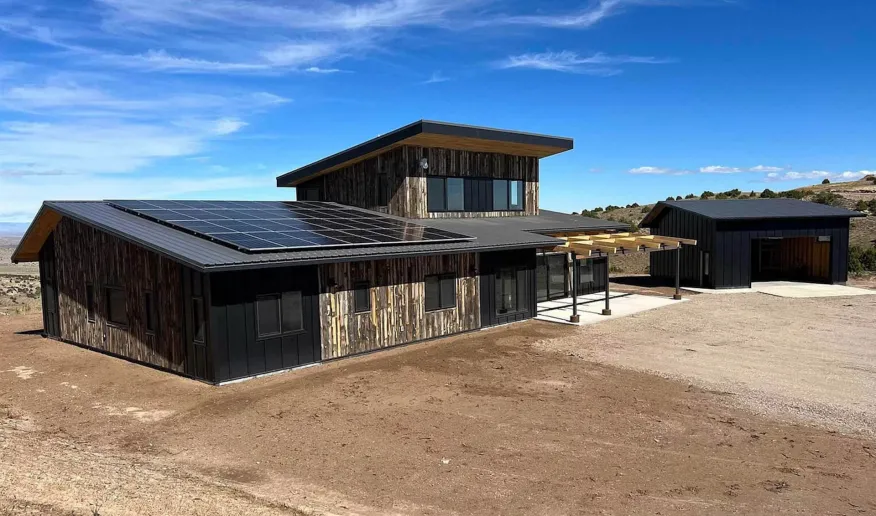

Building a truly sustainable home starts with understanding how to work with, not against, the environment. Passive design net-zero home basics focus on using natural resources—like sunlight, shade, and airflow—to reduce energy needs and create comfortable living spaces year-round. By integrating these principles, homeowners can dramatically lower utility bills and environmental impact, while enjoying healthier, more resilient homes.
This guide explores the core strategies behind passive design and how they contribute to achieving net-zero energy goals. You’ll learn about orientation, insulation, window placement, and more, with practical tips for both new construction and retrofits. For those interested in the materials and technical requirements, be sure to review our resource on energy efficient materials net-zero homes for deeper insight into product choices that support these strategies.
What Is Passive Design and Why Does It Matter?
At its core, passive design means shaping your home to take advantage of the local climate, reducing the need for mechanical heating, cooling, and lighting. By carefully considering building orientation, insulation, windows, and thermal mass, you can create a house that stays comfortable with minimal energy input.
For a home to be considered net-zero, it must produce as much energy as it consumes over the course of a year. Passive strategies are the foundation of this goal, as they lower the amount of energy needed in the first place. When combined with renewable energy systems, such as solar panels, these homes can achieve true energy independence.
Key Elements of Passive Design for Net-Zero Homes
Understanding the passive design net-zero home basics involves several interrelated features. Each plays a crucial role in reducing energy demand and enhancing comfort:
- Orientation: Positioning the home to maximize winter sun and minimize summer heat gain.
- Insulation: Using high-performance materials to slow heat transfer and maintain stable indoor temperatures. For more on this, see our article on insulation requirements net-zero homes.
- Windows and Glazing: Placing and sizing windows to optimize daylight and solar gain, while minimizing unwanted heat loss or gain.
- Thermal Mass: Incorporating materials like concrete or brick that absorb and release heat, helping to moderate temperature swings.
- Shading and Overhangs: Using eaves, awnings, or vegetation to block summer sun but allow winter sunlight to warm the home.
- Natural Ventilation: Designing for cross-breezes and stack effect to cool the home naturally.
- Airtightness: Sealing gaps and cracks to prevent drafts and energy loss. Learn more about this in our resource on airtight building net-zero construction.
Optimizing Orientation and Sunlight
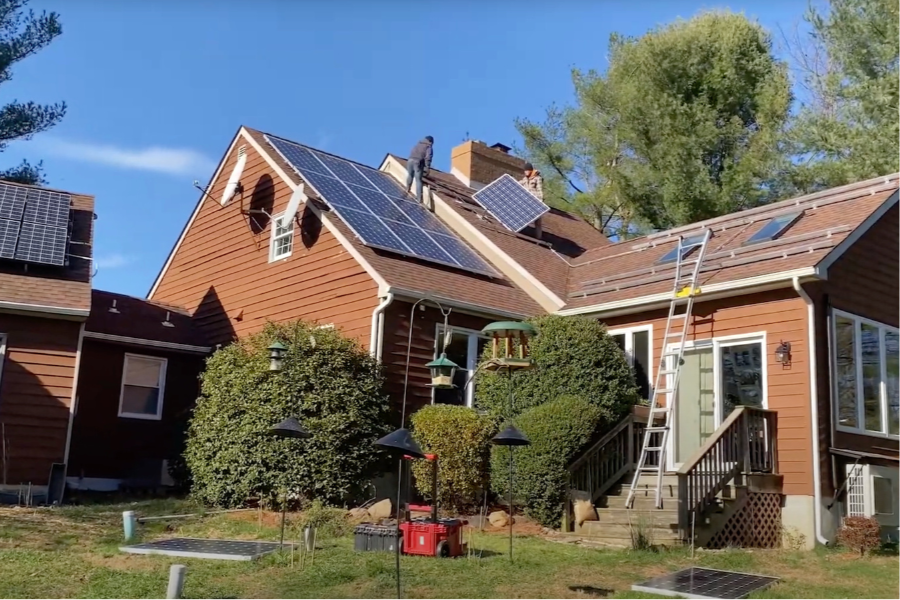
One of the most impactful decisions in passive home design is how the building is oriented on the lot. In most climates, orienting the longest walls to face south (in the northern hemisphere) allows for maximum solar gain during winter, helping to heat the home naturally. Properly sized overhangs or awnings can then block high summer sun, preventing overheating.
Window placement is equally important. South-facing windows should be generous to capture sunlight, while east and west windows are minimized to reduce unwanted heat gain. North-facing windows can provide diffuse light without significant heat loss or gain.
Thoughtful orientation and daylighting strategies not only save energy but also create bright, inviting interiors that connect occupants with the outdoors.
Insulation and Airtightness: The Building Envelope
Even the best passive solar strategies are undermined if the building envelope is leaky or poorly insulated. High-quality insulation in walls, roofs, and floors slows heat transfer, keeping interiors comfortable year-round. Modern net-zero homes often exceed local code requirements for insulation, using advanced materials and installation techniques.
Equally critical is airtightness. Sealing all joints, penetrations, and gaps prevents drafts and reduces the workload on heating and cooling systems. Blower door tests and thermal imaging can help identify problem areas. For more detailed guidance, see our article on airtight building net-zero construction.
By combining robust insulation with airtight construction, homeowners can achieve remarkable energy savings and improved indoor air quality.
Harnessing Natural Ventilation and Thermal Mass
Reducing reliance on mechanical cooling is a hallmark of passive design. By strategically placing operable windows and vents, homes can take advantage of prevailing breezes and the stack effect to flush out warm air and draw in cool air. Cross-ventilation is especially effective in open floor plans and narrow building forms.
Thermal mass—materials that absorb, store, and release heat—helps to stabilize indoor temperatures. Concrete floors, brick walls, or even water features can soak up heat during the day and release it at night, reducing temperature swings and improving comfort. When paired with proper shading, thermal mass can significantly cut heating and cooling loads.
Integrating Renewable Energy for Net-Zero Performance
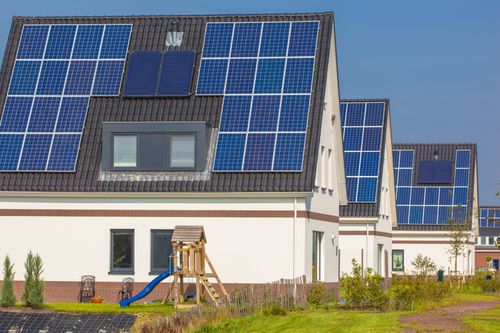
Once passive strategies have minimized a home’s energy needs, the next step is to supply the remaining demand with renewable sources. Solar photovoltaic (PV) panels are the most common choice, but wind or geothermal systems may also be viable depending on location.
For a comprehensive look at how these systems work together, visit our guide on how net-zero homes produce energy. It’s important to size renewable systems based on the reduced energy load achieved through passive design, ensuring cost-effectiveness and true net-zero performance.
Monitoring energy use is also key. Smart energy monitors and thermal imaging cameras can help identify inefficiencies and verify that the home is performing as intended.
Practical Steps to Get Started
For those considering a new build or a deep retrofit, start by analyzing your site and climate. Work with architects and builders experienced in passive strategies. Prioritize orientation, insulation, and airtightness from the outset. Select high-performance windows and consider thermal mass where appropriate.
For existing homes, improvements can be phased in over time. Upgrading insulation, sealing air leaks, and adding shading devices can all make a significant difference. Even small changes, like adjusting window coverings or planting shade trees, contribute to better performance.
For more actionable advice, check out this step-by-step guide to making your home net-zero from Efficiency Vermont.
To maximize savings, also explore our resource on energy efficiency in net-zero homes for tips on appliances, lighting, and behavioral changes that complement passive design.
FAQ: Passive Design and Net-Zero Home Fundamentals
What is the difference between passive design and active systems in net-zero homes?
Passive design uses building orientation, insulation, windows, and natural ventilation to reduce energy needs without mechanical intervention. Active systems, such as solar panels or heat pumps, generate or manage energy using technology. Both are important, but passive strategies should be prioritized to minimize the size and cost of active systems.
Can existing homes be retrofitted to use passive design principles?
Yes, many passive strategies can be applied to existing homes. Upgrading insulation, sealing air leaks, adding shading, and improving ventilation are all effective retrofit measures. While some aspects, like orientation, are fixed, most homes can benefit from passive improvements.
How do I know if my home is performing as a net-zero building?
Net-zero performance is measured by comparing the total annual energy produced (usually by solar panels) to the total energy consumed. Monitoring tools, such as smart energy monitors and utility data, can help track this balance. Regular assessments and energy audits can identify areas for further improvement.


