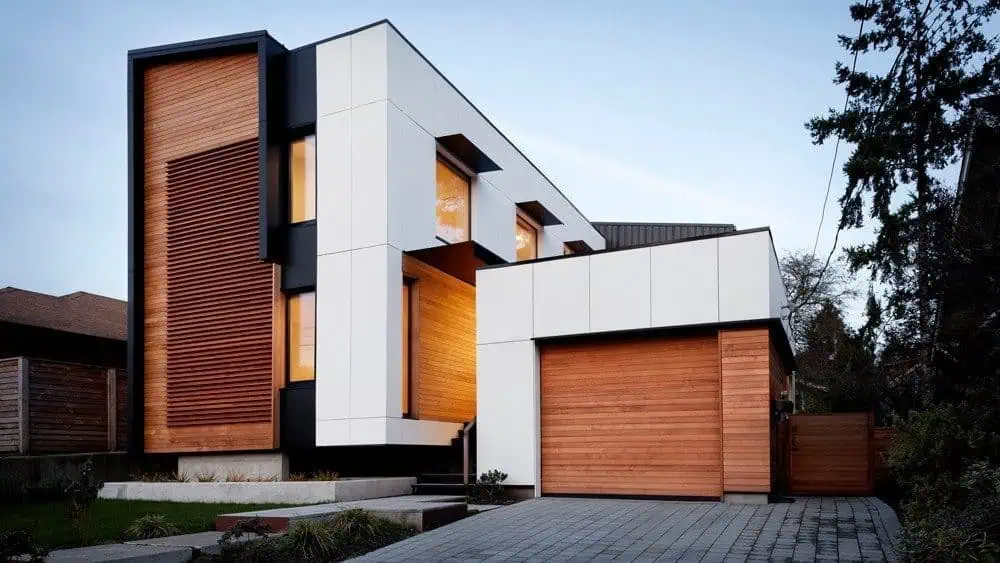

Designing a passive house for warmer climates is an exciting challenge. It involves creating a comfortable, sustainable living environment that takes full advantage of the local climate. This guide will explore the principles and techniques involved in creating these eco-friendly homes.
Before we delve into the specifics of passive house design in hot climates, let’s explore some related topics. For instance, you might be interested in learning about passive building for cold climates, which offers a contrasting perspective on the same principles.
Understanding the Principles of Passive House Design
Passive house design is all about creating a comfortable living environment with minimal energy use. It involves careful planning and design to ensure that the house remains cool during the hot summer months and warm during the cooler periods. This is achieved by maximizing natural ventilation, shading, and insulation.
Design Features of a Passive House in Warm Climates
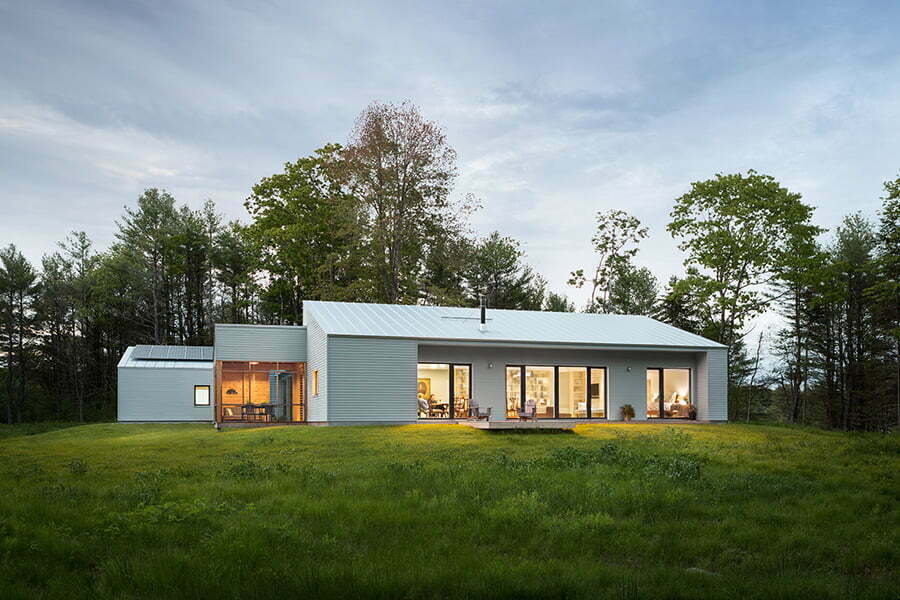
A passive house in a hot climate will typically have features like large overhangs to provide shade, high-performance windows to reduce heat gain, and a well-insulated building envelope to prevent heat transfer. These features work together to keep the house cool without the need for air conditioning.
Benefits of Passive Houses in Hot Climates
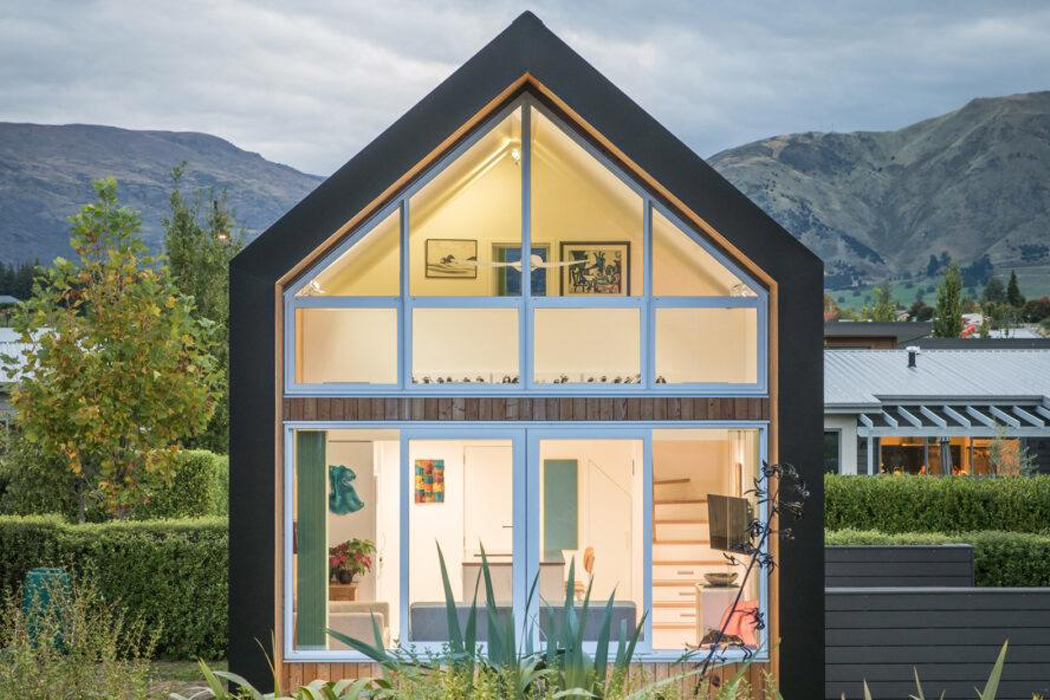
Passive houses offer numerous benefits in hot climates. They are energy-efficient, reducing the need for artificial cooling and thus lowering energy bills. They also provide a comfortable living environment, with consistent indoor temperatures and good air quality. For more detailed information on passive house design, you can check out this comprehensive guide.
Conclusion
Designing a passive house for a hot climate is an exciting challenge that can result in a comfortable, sustainable, and energy-efficient home. If you’re considering building a passive house in a hot climate, consider these heatproof solar power options and ways to cool your home with solar.