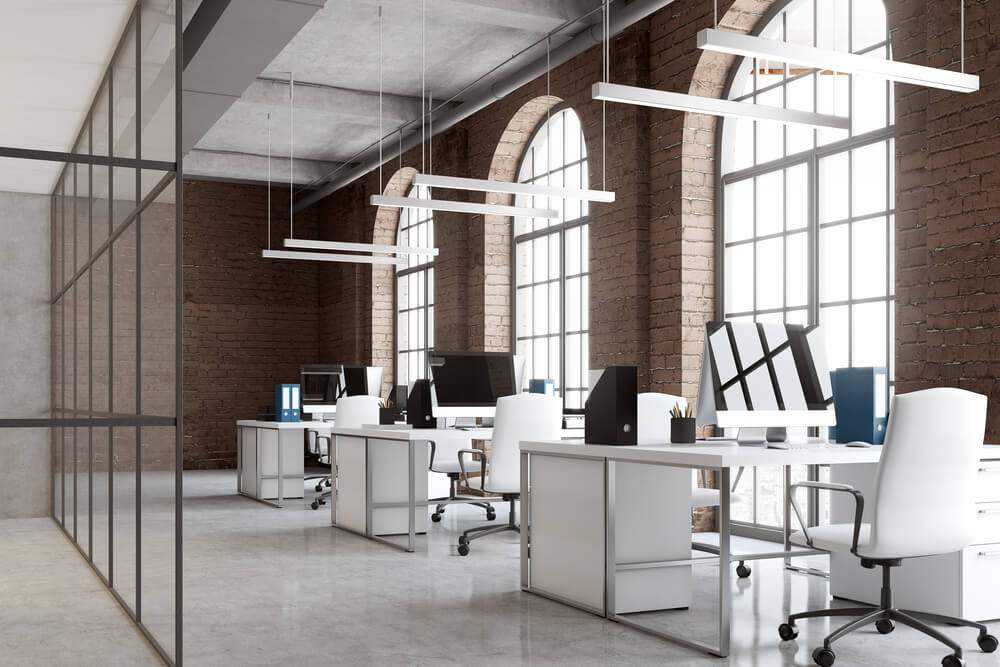

The shift toward hybrid and remote work models has transformed how organizations approach workplace design and construction. As companies plan new office spaces or renovate existing ones, it’s crucial to factor in the unique requirements that remote and flexible work arrangements bring. Addressing office buildout remote work considerations early in the process ensures that the resulting environment supports productivity, collaboration, and employee well-being—whether people are on-site, at home, or alternating between both.
This article explores the practical aspects of designing and executing an office buildout that aligns with today’s evolving work habits. From flexible layouts to technology infrastructure, we’ll cover the essential elements that help organizations adapt and thrive in a hybrid work era.
For a deeper dive into specific construction elements, such as office buildout partition wall types, you can explore related resources that focus on the technical details of workspace division and privacy.
Understanding the Impact of Remote and Hybrid Work on Office Design
The rise of remote work has fundamentally changed what organizations need from their physical offices. Traditional layouts—dominated by rows of desks and fixed meeting rooms—are giving way to more adaptable, multi-use spaces. Companies now prioritize environments that can flex to accommodate fluctuating occupancy, support virtual collaboration, and foster a sense of community for those who choose to work on-site.
Incorporating remote work considerations in office buildouts is not just about reducing desk count. It’s about rethinking the purpose of the workplace itself. Offices are becoming hubs for teamwork, culture-building, and specialized tasks that are difficult to replicate at home. This shift requires careful planning and a willingness to invest in both physical and digital infrastructure.
Key Elements of a Flexible Office Buildout
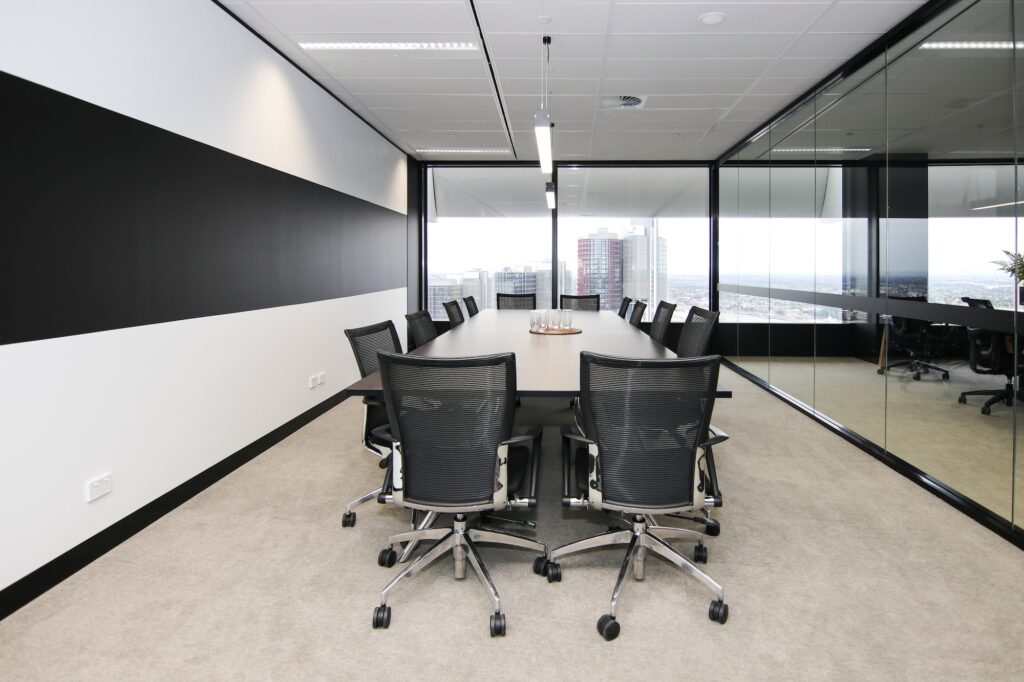
To support a hybrid workforce, office buildouts must prioritize flexibility and adaptability. Here are some of the most important features to consider:
- Modular Furniture and Layouts: Choose desks, tables, and seating that can be easily reconfigured for different group sizes or activities. Movable partitions and modular walls let you adapt spaces as needs change.
- Technology Integration: Equip meeting rooms and shared spaces with high-quality video conferencing tools, wireless connectivity, and charging stations. This ensures seamless collaboration between in-person and remote team members.
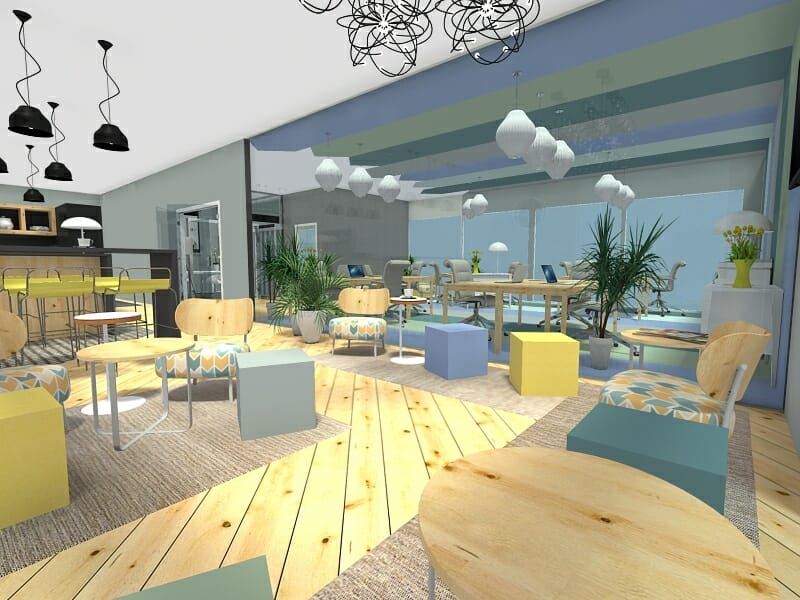
- Touchdown Spaces: Create zones where employees can drop in, work for a few hours, and then leave—ideal for those who split time between home and office.
- Acoustic Solutions: Use sound-absorbing materials and design strategies to minimize distractions, especially in open-plan areas where virtual meetings are common.
- Wellness and Social Areas: Include lounges, quiet rooms, and wellness spaces to support mental health and foster informal connections among staff.
Technology and Infrastructure for Hybrid Work Success
Reliable technology is the backbone of any modern office, but it’s especially critical when supporting remote and hybrid teams. During the planning phase, ensure that your buildout addresses:
- Robust Wi-Fi and Networking: High-speed, secure connectivity is essential for video calls, cloud applications, and collaboration tools.
- AV-Ready Meeting Rooms: Equip conference spaces with cameras, microphones, and displays that make it easy for remote participants to join and contribute.
- Power and Data Access: Provide ample outlets and data ports throughout the office, not just at fixed desks.
- Security Considerations: Implement access controls, secure networks, and privacy features to protect sensitive company data.
For a detailed explanation of what a commercial buildout entails, including construction phases and terminology, see this comprehensive overview of commercial buildouts.
Space Utilization and Cost Efficiency in Modern Offices
With fewer employees on-site at any given time, organizations can rethink how much space they truly need. This opens up opportunities to reduce real estate costs or repurpose square footage for amenities and collaboration zones. However, it’s important to balance efficiency with comfort—overly dense layouts can undermine the benefits of flexible work.
Conducting a thorough analysis of occupancy patterns and employee preferences helps inform decisions about desk sharing, meeting room sizes, and communal areas. Using data-driven tools, such as occupancy sensors or booking apps, can further optimize space allocation.
Change Management and Employee Engagement
Even the most thoughtfully designed office can fall short if employees aren’t prepared for new ways of working. Successful buildouts incorporate change management strategies to help staff transition smoothly. This includes clear communication about what’s changing, opportunities for feedback, and training on new technologies or protocols.
Involving employees in the planning process—through surveys, focus groups, or pilot programs—can boost buy-in and ensure the final space meets real needs. Ongoing engagement is key as work patterns continue to evolve.
Long-Term Planning: Sustainability and Future-Proofing
As organizations invest in new office environments, it’s wise to consider long-term sustainability and adaptability. Choose materials and systems that support energy efficiency and minimize environmental impact. Design spaces that can be easily updated as technology and work styles change.
For insights into how successful projects are managed and evaluated, you may find value in reviewing office buildout case study examples and learning about project success factors. These resources highlight best practices and lessons learned from real-world projects.
Frequently Asked Questions
What are the most important features to include in a hybrid-ready office buildout?
Key features include flexible workstations, robust technology for virtual collaboration, sound management solutions, and a mix of private and communal spaces. It’s also important to provide wellness amenities and ensure the space can adapt to changing occupancy levels.
How can companies balance cost efficiency with employee experience in modern office design?
By analyzing space usage data and employee feedback, organizations can optimize layouts to reduce unused space while investing in areas that enhance collaboration and well-being. Modular furniture and multipurpose rooms help maximize value without sacrificing comfort.
What role does technology play in supporting remote and hybrid work in the office?
Technology is essential for connecting on-site and remote staff. High-speed internet, AV-equipped meeting rooms, and secure networks enable seamless communication and productivity. Integrating booking systems and occupancy sensors can further streamline operations.
Conclusion
Addressing office buildout remote work considerations is essential for organizations navigating the new world of work. By prioritizing flexibility, technology, and employee engagement, companies can create office environments that support both current needs and future growth. As work patterns continue to evolve, a thoughtful approach to office design will remain a key factor in organizational success.
For those interested in the financial implications of these changes, reviewing office buildout lifecycle costs can provide valuable perspective on long-term investments and operational savings.