
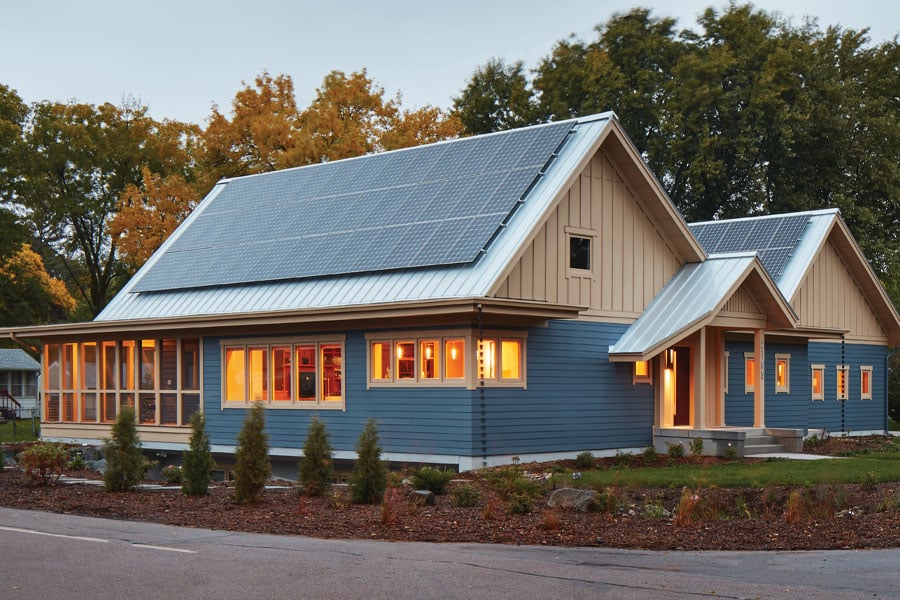

Achieving a net-zero home means producing as much energy as you consume over the course of a year. Solar panels are the most common way to generate renewable electricity on-site, making them a cornerstone of any net-zero strategy. This guide explains how to determine the right system size, what to expect during installation, and how to maximize the benefits of solar for your energy-efficient home.
Whether you’re building new or retrofitting an existing property, understanding the basics of solar panels for net-zero homes will help you make informed decisions. We’ll cover how to calculate your energy needs, select the right equipment, and ensure your solar system is set up for long-term performance. For a deeper look at how these homes balance energy use and production, see the net-zero energy balance explained article.
Understanding Net-Zero Energy Homes
Net-zero homes are designed to produce as much energy as they consume annually. This is achieved through a combination of high-efficiency building techniques and on-site renewable energy generation, most commonly with solar photovoltaic (PV) systems. The goal is to reduce reliance on the grid, lower utility bills, and minimize environmental impact.
To reach net-zero status, homes must first focus on reducing energy demand. This includes advanced insulation, airtight construction, efficient windows, and high-performance heating and cooling systems. Once energy use is minimized, solar panels are sized to match the remaining demand, ensuring the home’s annual energy production offsets its consumption.
For more on how these systems work together, explore how net-zero homes produce energy.
Calculating Solar System Size for Net-Zero Living
Properly sizing your solar array is crucial for achieving a true net-zero balance. The process involves estimating your home’s annual electricity consumption and matching it with the expected output of your solar panels.
Step 1: Estimate Annual Energy Use
Start by reviewing your utility bills to determine your average yearly electricity consumption in kilowatt-hours (kWh). If you’re building new, use energy modeling software or consult with your builder to estimate usage based on the home’s design, appliances, and climate.
- Existing homes: Add up 12 months of electricity usage from your bills.
- New builds: Use projected energy loads from your design team or builder.
Step 2: Assess Solar Potential
The amount of electricity your solar panels can generate depends on your location, roof orientation, shading, and system efficiency. Online calculators and solar professionals can help estimate the average daily sunlight hours for your site.
As a rule of thumb, a 1 kW solar system produces about 1,200–1,500 kWh per year in many North American locations. Multiply your annual energy needs by 0.75 to 0.85 to account for system losses and inefficiencies.
Step 3: Determine System Size
Divide your annual energy use by the expected annual output per kW of installed solar. For example, if your home uses 10,000 kWh per year, and each kW of panels produces 1,300 kWh, you’d need about 7.7 kW of solar capacity.
It’s wise to round up slightly to account for future increases in energy use or minor system losses. Consult with a certified installer for a precise assessment.
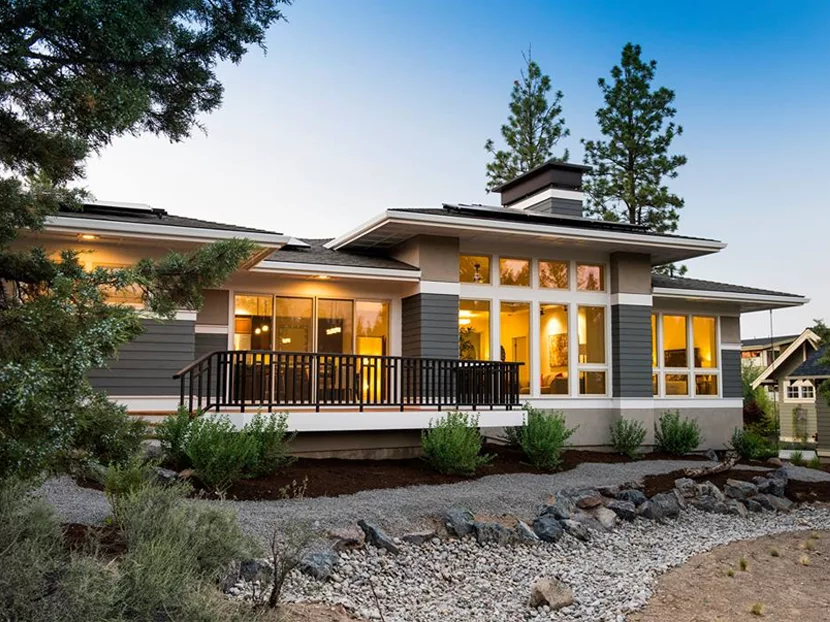
Installation Process for Residential Solar
Once you’ve determined the right system size, the next step is installation. A professional solar installer will handle most of the process, but it’s helpful to understand what’s involved:
- Site Assessment: The installer evaluates your roof’s condition, orientation, and shading to confirm suitability for solar panels.
- System Design: Based on your energy needs and site specifics, the installer designs a system layout and selects appropriate equipment.
- Papework & Permits: Permitting requirements vary by location. Your installer typically manages applications and coordinates with local authorities.
- Installation: Panels, inverters, and electrical components are mounted and connected. The process usually takes a few days for most homes.
- Inspection & Interconnection: After installation, inspections ensure code compliance. The system is then connected to the grid, allowing you to export excess energy and draw from the grid as needed.
For a more detailed look at integrating storage, see battery storage for net-zero homes explained.

Key Considerations for Solar in Net-Zero Construction
When planning solar for a highly efficient home, keep these factors in mind:
- Roof Space: Ensure you have enough unshaded roof area to accommodate the required number of panels. South-facing roofs are ideal in the Northern Hemisphere.
- Panel Efficiency: Higher-efficiency panels generate more power per square foot, which is valuable if roof space is limited.
- Inverter Selection: Choose between string inverters, microinverters, or power optimizers based on your shading and monitoring needs.
- Future Expansion: If you plan to add electric vehicles or heat pumps, consider sizing your system for future energy needs.
- Battery Storage: Adding batteries can increase self-consumption and provide backup during outages. Learn more about the benefits in our battery storage guide.
It’s also important to understand local incentives, net metering policies, and utility interconnection requirements. These can significantly affect the economics and performance of your solar investment.
For a foundational overview of what makes a home net-zero, visit this introduction to net-zero housing.
Maximizing Solar Performance and Savings
To get the most from your solar investment, combine your system with energy-efficient appliances, smart monitoring, and regular maintenance. Here are some practical tips:
- Monitor Usage: Use energy monitors to track consumption and production. This helps you identify savings opportunities and verify system performance.
- Maintain Panels: Keep panels clean and free of debris to ensure optimal sunlight absorption.
- Upgrade Appliances: Replace old appliances with ENERGY STAR-rated models to further reduce demand.
- Schedule Loads: Run high-energy devices (like dishwashers or EV chargers) during peak solar production hours.
- Review Bills: Regularly compare your utility bills and solar output to ensure you’re meeting your net-zero goals.
For more on the financial side, see our article on return on investment for net-zero homes and how long-term savings can add up.
FAQ: Solar for Net-Zero Homes
How do I know if my roof is suitable for solar panels?
Most modern roofs can support solar, but the best candidates are south-facing with minimal shading and enough surface area for the required number of panels. A professional installer will assess your roof’s condition, pitch, and orientation to ensure it’s a good fit.
Can I reach net-zero with solar alone?
Solar panels are essential, but reducing your home’s energy demand through insulation, efficient windows, and smart appliances is just as important. In some cases, adding battery storage or other renewables may be needed to fully offset your usage.
What happens if my solar panels produce more energy than I use?
Excess electricity is typically exported to the grid, earning you credits through net metering. These credits can offset your energy use at night or during cloudy periods. Policies vary by location, so check with your utility for details.
How long does a solar installation take?
Most residential solar installations are completed in 1–3 days, but permitting and inspections can add several weeks to the overall timeline. Your installer will provide a detailed schedule based on your project specifics.
Are there incentives for installing solar on net-zero homes?
Many regions offer tax credits, rebates, or other incentives for solar installations. These can significantly reduce upfront costs and improve your return on investment. Check with local authorities or your installer for current programs.
Building or upgrading to a net-zero home with solar is a smart investment in your future. By carefully sizing your system, working with experienced professionals, and staying informed, you can enjoy reliable, clean energy for years to come. For more tips on reducing energy bills and maximizing savings, see our article on long term savings for net-zero homes.

