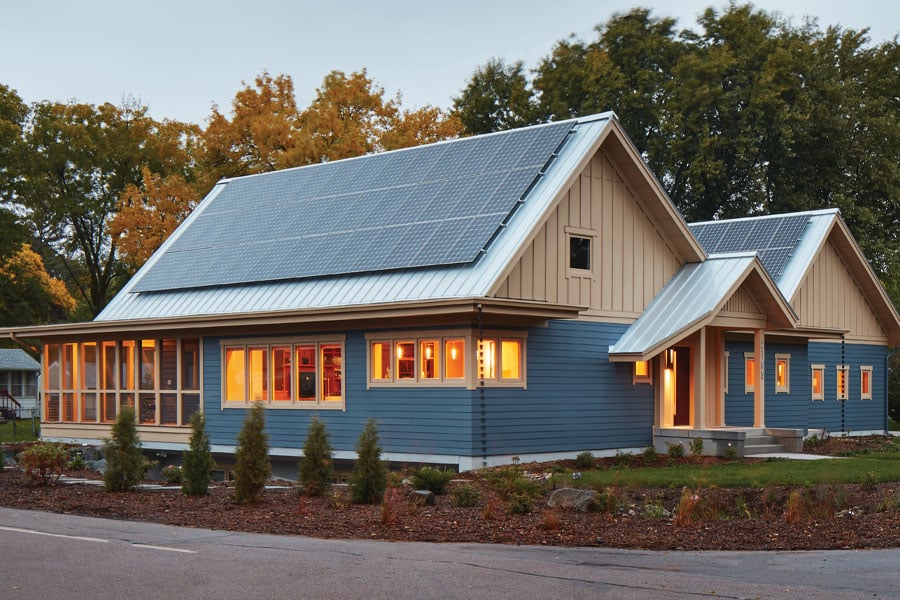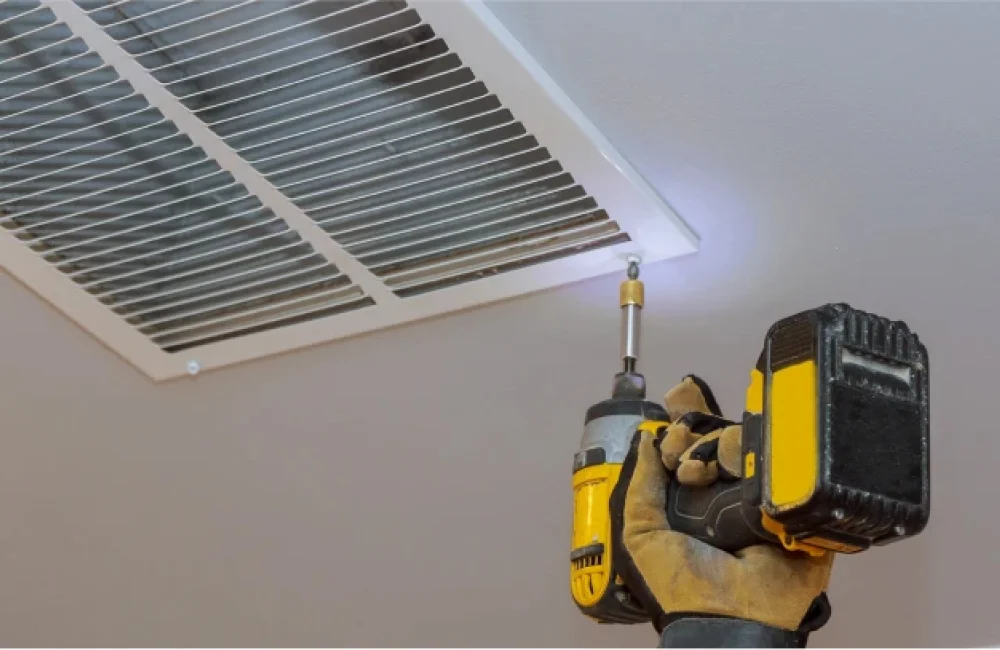

As residential construction standards evolve, more homeowners and builders are turning to highly insulated, tightly sealed buildings for energy efficiency and comfort. While this approach reduces drafts and lowers heating and cooling costs, it also introduces a critical challenge: ensuring a steady supply of fresh air and effective removal of indoor pollutants. Ventilation in airtight homes is not just a technical detail—it’s essential for maintaining healthy indoor air quality, controlling moisture, and protecting the building envelope from long-term damage.
In this article, we’ll explore why proper airflow is crucial in well-sealed houses, review the main types of systems available, and offer practical guidance for homeowners and renovators. If you’re considering a remodel, you may also find value in learning about kitchen remodeling visual balance tips to create harmonious and functional spaces alongside your ventilation upgrades.
Why Airtight Homes Need Special Attention to Airflow
Traditional houses relied on cracks, gaps, and leaky windows for a certain amount of “natural” air exchange. While this was inefficient, it did allow moisture and indoor pollutants to escape. In contrast, modern airtight construction blocks uncontrolled air movement, making mechanical systems or carefully planned passive strategies necessary.
- Indoor Air Quality: Everyday activities—cooking, cleaning, bathing, and even breathing—release moisture, odors, and contaminants. Without proper airflow, these can accumulate, leading to stuffy air and potential health issues.
- Moisture Control: Excess humidity in a sealed environment can cause condensation, mold growth, and structural damage over time.
- Energy Efficiency: Well-designed systems allow for controlled, efficient air exchange, reducing energy waste compared to uncontrolled leaks.
Types of Ventilation Systems for Airtight Homes
There are several approaches to ensuring adequate airflow in tightly sealed buildings. The right choice depends on your climate, budget, and specific needs. For a comprehensive overview of system types, see this guide to house ventilation systems.
Exhaust-Only Systems
These systems use fans—typically installed in bathrooms or kitchens—to pull stale air out of the house. Replacement air enters through intentional inlets or small leaks. While simple and cost-effective, exhaust-only setups may not provide balanced airflow, especially in very tight homes.
Supply-Only Systems
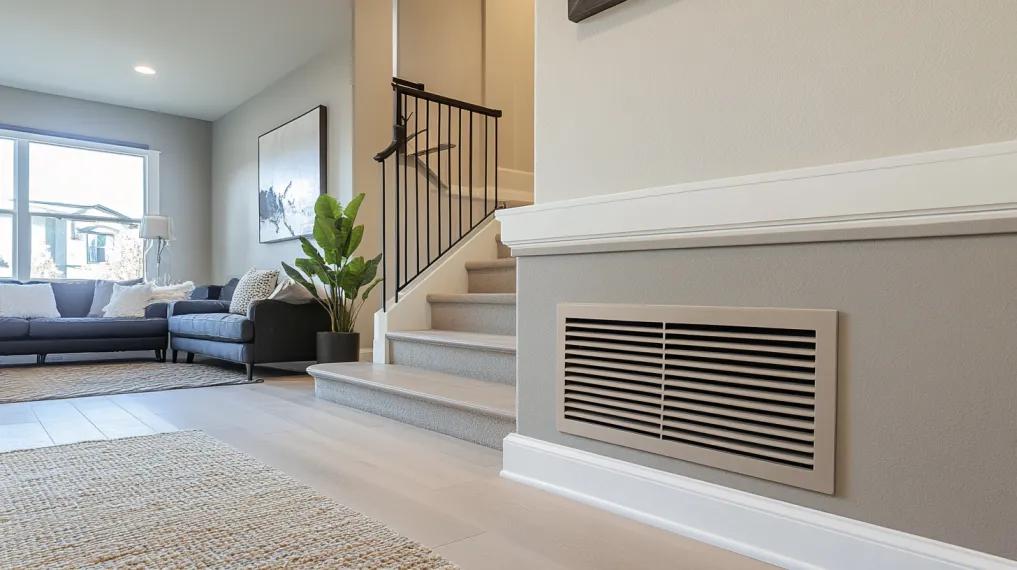
In this approach, fans bring in filtered outdoor air, pressurizing the home and forcing stale air out through designated vents or leaks. Supply-only systems can help reduce infiltration of outdoor pollutants and allergens, but may not be as effective at removing moisture from bathrooms or kitchens.
Balanced Systems and Energy Recovery
The most effective solution for many modern homes is a balanced system, which brings in fresh air and exhausts stale air in equal measure. Heat Recovery Ventilators (HRVs) and Energy Recovery Ventilators (ERVs) are popular choices. These devices transfer heat (and, in the case of ERVs, moisture) between incoming and outgoing air streams, improving energy efficiency while maintaining comfort.
Key Considerations for Effective Airflow in Sealed Buildings
- System Sizing: The capacity of your system should match the size and occupancy of your home. Undersized units may not provide enough fresh air, while oversized systems can waste energy.
- Filtration: Airtight homes can trap dust, pollen, and other particles. High-quality filters are essential, especially for households with allergies or pets.
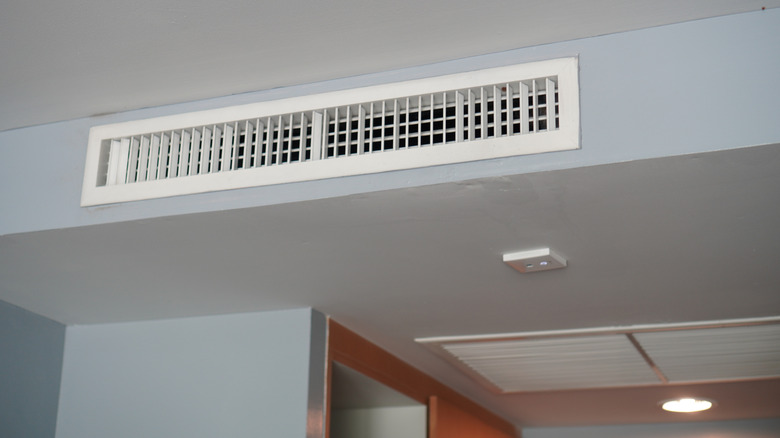
- Distribution: Fresh air should reach all living areas, not just a single room. Ducted systems or strategically placed vents help ensure even distribution.
- Maintenance: Regular cleaning and filter replacement are vital for system performance and air quality.
Common Challenges and Solutions
Even with a well-designed system, some issues can arise in tightly sealed homes. Here are a few common problems and how to address them:
- Stale Air in Specific Rooms: If certain areas feel stuffy, check for blocked vents or inadequate airflow. Adjusting ductwork or adding spot ventilation may help.
- Condensation on Windows: Persistent moisture can indicate insufficient ventilation or high indoor humidity. Consider increasing airflow rates or using a dehumidifier.
- Odors or Pollutants: Cooking smells, pet odors, or chemical fumes can linger in airtight environments. Upgrading to a balanced system with enhanced filtration can make a noticeable difference.
Best Practices for Homeowners and Renovators
- Assess Your Needs: Consider your climate, household size, and lifestyle. Homes in humid regions may benefit from ERVs, while colder climates often use HRVs.
- Work with Professionals: Proper design and installation are crucial. Consult with HVAC specialists who understand the unique requirements of sealed buildings.
- Integrate with Other Upgrades: If you’re planning a remodel, coordinate ventilation improvements with other projects. For example, integrating new airflow solutions with kitchen remodeling hardware style upgrades can enhance both function and aesthetics.
- Monitor and Adjust: Use humidity and air quality monitors to track conditions over time. Adjust system settings as needed for optimal comfort and health.
FAQ: Ventilation in Modern Airtight Houses
How often should filters be changed in mechanical ventilation systems?
For most systems, filters should be checked every 3–6 months and replaced as needed. Homes with pets, allergies, or high dust levels may require more frequent changes to maintain healthy indoor air.
Can opening windows replace mechanical ventilation in a sealed home?
While opening windows can provide temporary fresh air, it is not a reliable or energy-efficient solution for tightly sealed buildings. Mechanical systems ensure consistent, controlled airflow regardless of weather or occupant habits.
What’s the difference between HRVs and ERVs?
Heat Recovery Ventilators (HRVs) transfer heat between outgoing and incoming air, reducing energy loss in cold climates. Energy Recovery Ventilators (ERVs) also transfer some moisture, making them better suited for humid or mixed climates where controlling indoor humidity is important.
Is it possible to retrofit an existing home with a balanced ventilation system?
Yes, many older homes can be upgraded with balanced systems, though installation may involve some ductwork and planning. Consulting a qualified HVAC professional is the best way to determine the most practical and cost-effective solution for your property.
Ensuring proper ventilation in airtight homes is a vital step toward a healthier, more comfortable, and energy-efficient living environment. By understanding your options and working with experienced professionals, you can enjoy all the benefits of a tightly sealed home without sacrificing indoor air quality or comfort.