
When planning a kitchen renovation, ceilings are often overlooked, yet they have a significant impact on the overall look and feel of the space. Exploring kitchen remodeling ceiling ideas can help you create a kitchen that feels brighter, more spacious, and truly unique. From classic coffered ceilings to modern lighting solutions, there are many ways to transform this often-underappreciated surface into a design highlight.
In this guide, you’ll discover a range of creative approaches to kitchen ceilings, including materials, textures, and lighting options that can enhance both style and function. Whether you’re aiming for a cozy, traditional atmosphere or a sleek, contemporary vibe, the right ceiling treatment can tie your design together and add value to your home.
For those seeking a harmonious and balanced kitchen design, consider reviewing these kitchen remodeling visual balance tips to complement your ceiling choices and create a cohesive interior.
Why the Ceiling Matters in Kitchen Renovations
The ceiling is one of the largest uninterrupted surfaces in any kitchen. Its height, color, and texture influence how spacious or intimate the room feels. By updating this area, you can:
- Enhance natural and artificial lighting
- Add architectural interest and depth
- Improve acoustics and comfort
- Express your personal style
Thoughtful ceiling updates can also increase your home’s resale value, making it a smart investment during any kitchen remodel.
Popular Kitchen Ceiling Designs for Modern Homes
There are many ways to approach kitchen remodeling ceiling ideas, each offering its own set of benefits. Here are some of the most popular options:
Coffered and Tray Ceilings
Coffered ceilings use a grid of beams to create a pattern of recessed panels. This classic look adds dimension and elegance, especially in larger kitchens. Tray ceilings, on the other hand, feature a central section that is either raised or recessed, often highlighted with accent lighting or a contrasting paint color. Both styles can make your kitchen feel more upscale and visually interesting.
Exposed Beams for Rustic Charm
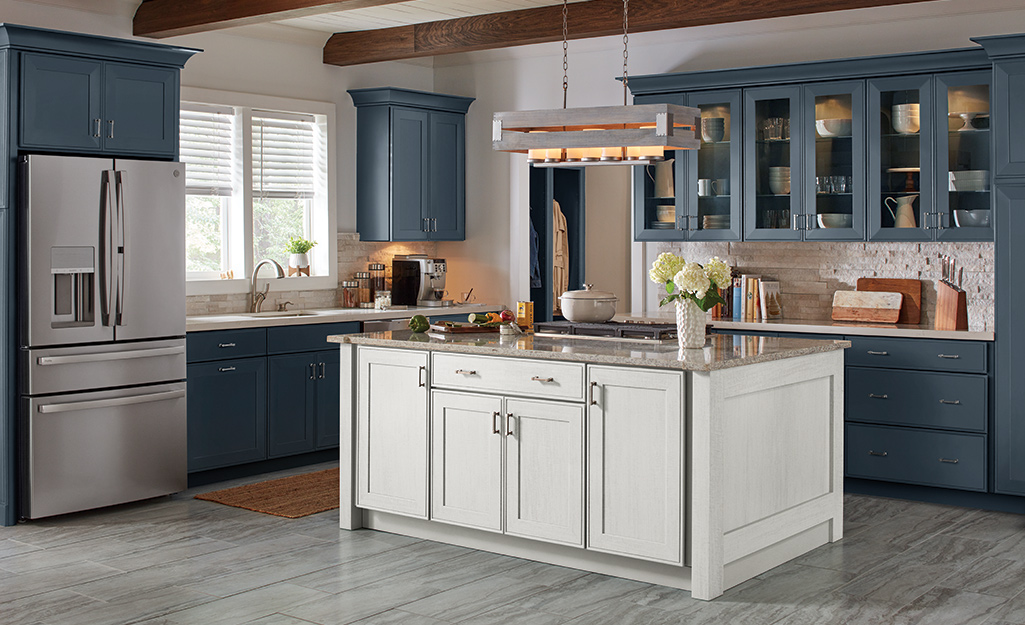
Exposed wooden beams are a favorite in farmhouse and rustic kitchen designs. They bring warmth, texture, and a sense of history to the space. Whether you use reclaimed wood for authenticity or faux beams for easier installation, this approach works well with both vaulted and flat ceilings.
Modern Minimalism: Flat and Smooth Finishes
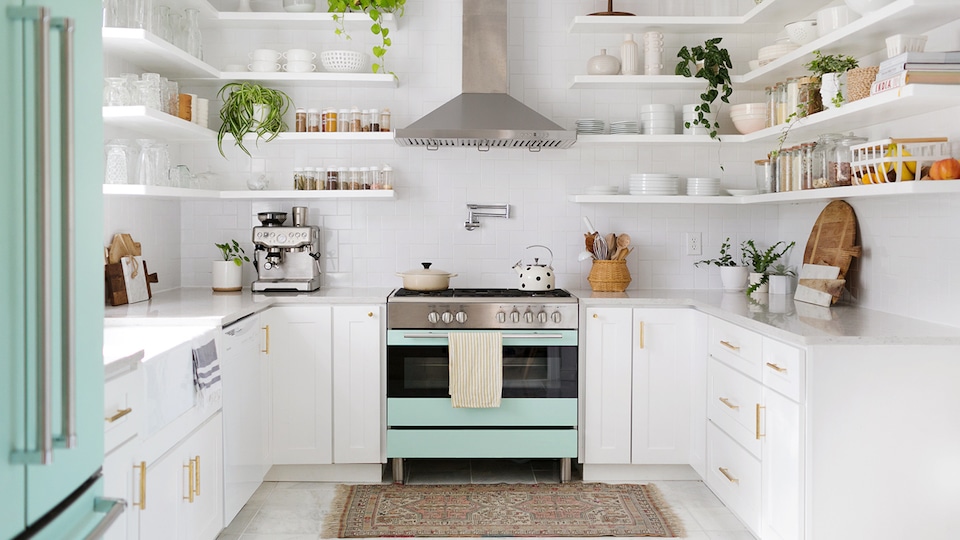
For a contemporary look, many homeowners opt for smooth, flat ceilings painted in crisp white or soft neutrals. This style maximizes light reflection and creates a clean, uncluttered backdrop for other design elements. Adding subtle details like a narrow crown molding or a slim shadow line can provide definition without overwhelming the space.
Statement Lighting and Integrated Fixtures
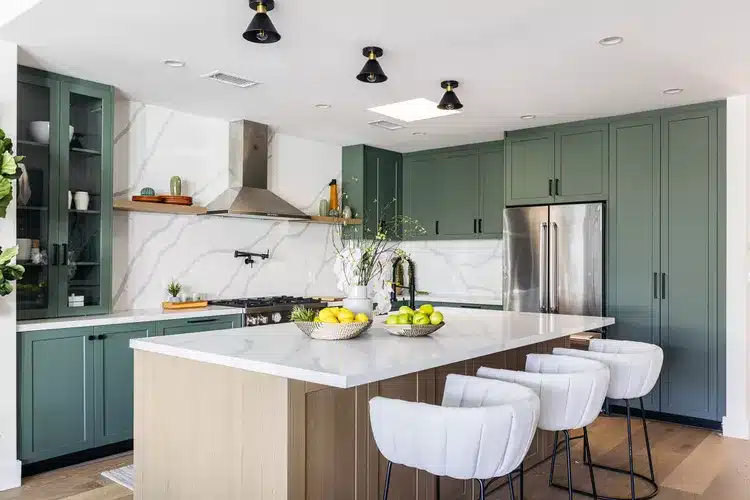
Lighting plays a crucial role in kitchen ceiling design. Recessed lights, pendant fixtures, and LED strip lighting can be integrated into the ceiling to provide both task and ambient illumination. Consider layering different types of lighting to highlight work areas, accentuate architectural features, and set the mood for entertaining or family meals.
Creative Materials and Textures for Kitchen Ceilings
Beyond paint and drywall, there are many materials that can add character and depth to your kitchen ceiling:
- Wood planks or shiplap: Offer a cozy, cottage-inspired look and can be painted or stained to match your decor.
- Metal tiles: Tin or aluminum ceiling tiles bring vintage charm and are easy to clean—ideal for busy kitchens.
- Wallpaper or decorative panels: Add pattern and color overhead for a bold, unexpected twist.
- Plaster or textured finishes: Subtle textures like knockdown or skip-trowel finishes can hide imperfections and add visual interest.
Mixing materials is also an option. For example, a central wood panel surrounded by smooth drywall can create a focal point without overwhelming the room.
Lighting Strategies for a Brighter, More Functional Kitchen
Effective lighting is essential for both aesthetics and practicality. Here are some strategies to consider as part of your ceiling upgrade:
- Recessed lighting: Provides even, shadow-free illumination and is ideal for low ceilings.
- Pendant lights: Add personality and can be used to highlight islands or dining areas.
- Under-cabinet and cove lighting: These indirect sources create a soft glow and can be integrated into tray or drop ceilings.
- Smart lighting systems: Allow you to adjust brightness and color temperature to suit different times of day or activities.
Combining multiple lighting types ensures your kitchen is both beautiful and functional, no matter the time of day.
Tips for Choosing the Right Ceiling Style
When selecting a ceiling design for your kitchen remodel, keep these tips in mind:
- Consider the room’s size and ceiling height—ornate details work best in larger spaces, while simple treatments suit smaller kitchens.
- Match the ceiling style to your home’s overall architecture for a cohesive look.
- Think about maintenance—smooth finishes and washable materials are easier to clean in a cooking environment.
- Use color and lighting to make the ceiling feel higher or lower, depending on your goals.
For more inspiration, check out these expert kitchen remodeling ideas that cover a range of design styles and budgets.
Integrating Ceiling Design with Other Kitchen Elements
The best kitchen ceilings work in harmony with cabinetry, countertops, and flooring. For example, pairing a wood ceiling with matching cabinet accents can create a unified look. If you’re updating hardware or appliances, consider how finishes and colors will interact with your chosen ceiling treatment. For guidance on hardware selection, see this kitchen remodeling hardware style guide.
Don’t forget about practical considerations such as ventilation, fire safety, and access to plumbing or electrical systems when planning your ceiling remodel.
Frequently Asked Questions
What is the best ceiling type for a small kitchen?
In compact kitchens, smooth, light-colored ceilings help make the space feel larger and brighter. Recessed lighting and minimal ornamentation prevent the ceiling from feeling heavy or crowded. If you want to add interest, consider a subtle tray ceiling or a few narrow wood planks for texture.
Can I install recessed lighting in any kitchen ceiling?
Most modern ceilings can accommodate recessed lights, but installation may be more complex if you have concrete or solid wood above. Consult a qualified electrician to ensure proper placement and wiring. For ideas on lighting layouts, see the kitchen remodeling cleaning zone layout ideas guide.
How do I coordinate my ceiling with hidden appliances?
For a seamless look, choose ceiling finishes and lighting that complement your cabinetry and appliance panels. Integrated lighting can highlight sleek, handleless cabinets and maintain a streamlined appearance. Explore more on this topic in the kitchen remodeling hidden appliance ideas article.
Are there budget-friendly ceiling upgrades for kitchens?
Yes, painting your ceiling a fresh color, adding inexpensive crown molding, or installing peel-and-stick ceiling tiles are all cost-effective ways to update your kitchen ceiling. Even swapping out light fixtures can make a noticeable difference without a major investment.
Conclusion
Updating your kitchen ceiling is a powerful way to enhance both the style and function of your space. By considering different materials, lighting options, and architectural details, you can create a kitchen that feels truly custom. Remember to coordinate your ceiling design with other elements for a cohesive look, and don’t hesitate to consult professionals for complex installations. With the right approach, your kitchen ceiling can become a standout feature that elevates your entire home.