
Understanding how to reach a true equilibrium between energy consumption and production is central to the concept of net-zero energy balance explained. This approach is reshaping how homes, buildings, and even entire communities are designed and operated. By focusing on both reducing energy demand and maximizing renewable generation, it is possible to create spaces that produce as much energy as they use over the course of a year.
Interest in this topic is growing rapidly, especially as energy costs rise and environmental concerns become more urgent. Whether you are a homeowner, builder, or simply interested in sustainable living, learning how net-zero works can help you make informed decisions about future projects and investments. For those comparing the economics of sustainable building, our detailed analysis of net-zero home cost vs traditional home provides valuable insights into the financial side of these choices.
What Does Net-Zero Energy Mean?
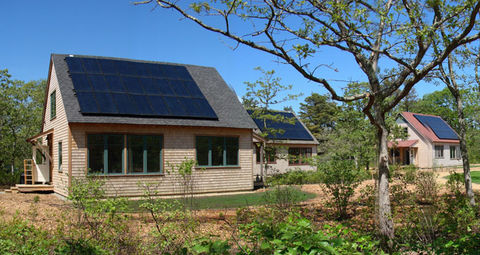
At its core, a net-zero energy building or home is one that balances its total annual energy use with the amount of renewable energy it generates onsite or procures from clean sources. This means that, over the span of a year, the energy imported from the grid is offset by the energy exported back to the grid or produced locally. The result is a total equilibrium in energy consumption and production.
There are several ways to achieve this balance:
- Reducing energy demand through efficient design and technology
- Generating renewable energy, typically via solar panels or wind turbines
- Managing energy use with smart controls and monitoring
For a deeper dive into the definition and types of net-zero buildings, the Ecochain guide to net-zero buildings offers a comprehensive overview.
Key Principles Behind Achieving Energy Equilibrium
Reaching a balanced energy state involves more than just installing solar panels. The process is holistic, requiring attention to building envelope, mechanical systems, appliances, and occupant behavior. Here are the main principles:
- Energy Efficiency First: Minimize energy waste by using high-quality insulation, airtight construction, and efficient windows and doors.
- Smart Design: Orient buildings to maximize natural light and passive solar heating, and use shading to reduce cooling loads.
- Efficient Systems: Install high-efficiency HVAC, lighting, and appliances that use less energy for the same output.
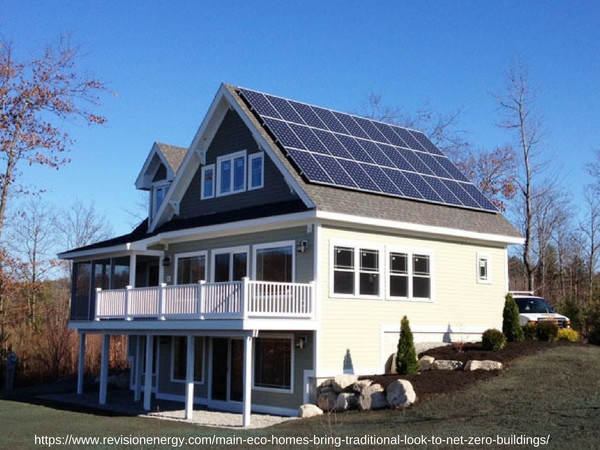
- Renewable Generation: Size and install renewable energy systems, such as photovoltaic panels, to match the reduced demand.
- Monitoring and Controls: Use smart meters and energy management systems to track and optimize usage in real time.
How Net-Zero Energy Balance Is Calculated
To determine if a building meets the net-zero threshold, energy professionals compare the total annual energy consumed with the amount of renewable energy produced. This is usually measured in kilowatt-hours (kWh) over a 12-month period.
The calculation involves:
- Tracking all energy used for heating, cooling, appliances, lighting, and plug loads
- Measuring onsite renewable energy generation, such as from solar or wind
- Accounting for energy exported to and imported from the grid
If the total energy produced equals or exceeds the total energy consumed, the building achieves a net-zero balance. Some homes may even become net-positive, generating more energy than they use.
Benefits of a Balanced Energy Approach
Choosing to pursue a net-zero energy lifestyle offers a range of advantages:
- Lower Utility Bills: By producing your own energy, you reduce or eliminate monthly energy costs.
- Environmental Impact: Reducing reliance on fossil fuels significantly cuts greenhouse gas emissions.
- Energy Independence: Generating your own power protects against rising energy prices and grid outages.
- Increased Property Value: Net-zero homes are often more attractive to buyers and can command higher resale prices.
For those interested in the financial side, our article on return on investment net-zero homes explores whether the upfront costs pay off over time.
Common Challenges in Reaching Net-Zero
While the benefits are clear, there are some hurdles to achieving a balanced energy state:
- Upfront Costs: High-performance materials and renewable systems can require significant initial investment.
- Design Complexity: Achieving airtightness and optimal insulation demands careful planning and skilled labor.
- Climate and Location: Solar and wind resources vary by region, affecting how much renewable energy can be generated.
- Behavioral Factors: Occupant habits play a major role in overall energy use and can impact the balance.
For a closer look at budgeting and planning, see our guide on budget planning net-zero home construction for practical advice on managing costs.
Steps to Achieve a Net-Zero Energy Home
Transitioning to a net-zero home is a process that can be broken down into manageable steps:
- Assess Current Energy Use: Conduct an energy audit to identify where energy is being used and wasted.
- Upgrade Building Envelope: Improve insulation, seal air leaks, and upgrade windows and doors.
- Install Efficient Systems: Replace old HVAC, lighting, and appliances with high-efficiency models.
- Add Renewable Energy: Install solar panels or other renewable systems sized to meet the reduced demand.
- Monitor and Adjust: Use energy monitors and smart controls to track usage and make adjustments as needed.
Understanding the cost factors net-zero housing projects can help you prioritize upgrades and investments for the best results.
Long-Term Value and Savings
Beyond the environmental benefits, net-zero homes offer substantial long-term savings. Lower utility bills, fewer maintenance issues, and increased property value all contribute to a strong financial case. For more on this, our article on long term savings net-zero homes breaks down the ongoing advantages of this approach.
Frequently Asked Questions
What is the difference between net-zero and zero energy?
Both terms refer to buildings that balance energy use with renewable production, but “net-zero” emphasizes the annual balance, allowing for some energy to be drawn from the grid and offset later. “Zero energy” is often used interchangeably, but may imply no grid use at all, which is rare in practice.
How much does it cost to build a net-zero home?
Costs vary widely depending on location, design, and materials. While upfront expenses are higher than traditional homes, incentives, lower utility bills, and increased resale value can offset the difference over time. For a detailed comparison, see our analysis of net-zero home cost vs traditional home.
Can existing homes be retrofitted to achieve net-zero?
Yes, many existing homes can be upgraded with better insulation, efficient systems, and renewable energy installations. The process may be more complex than building new, but significant improvements are possible with the right approach and planning.
Are net-zero buildings only for homes?
No, the net-zero concept applies to commercial buildings, schools, and even entire communities. The principles remain the same: reduce demand, maximize efficiency, and generate renewable energy to achieve balance.