As more homeowners aim for energy independence and sustainability, the concept of net-zero living has become a leading goal in residential construction. At the heart of this movement is the integration of battery storage systems, which allow homes to store excess renewable energy and use it when needed. Understanding how these systems work, their benefits, and what to consider when choosing one is crucial for anyone interested in building or upgrading to a net-zero residence.
This guide offers a clear overview of how battery storage supports reliable power in net-zero homes, including practical considerations, cost factors, and the latest advancements. If you’re comparing the net-zero home cost vs traditional home, or exploring the long-term savings and return on investment, understanding battery storage is essential to making informed decisions for your energy future.

How Battery Storage Powers Net-Zero Homes
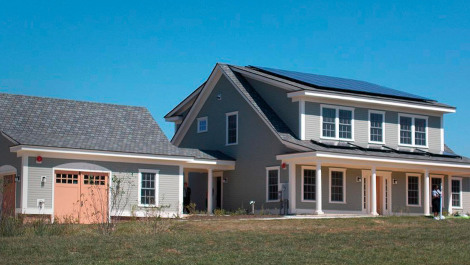
Net-zero homes are designed to produce as much energy as they consume over the course of a year, typically using solar panels or other renewable sources. However, energy production and household demand rarely align perfectly. This is where battery storage becomes essential. By capturing surplus energy generated during peak sunlight hours, batteries allow homeowners to use stored electricity at night or during cloudy periods, ensuring a steady and reliable power supply.
Without a storage solution, excess energy would be sent back to the grid, and the home would draw from the grid when production falls short. Batteries reduce reliance on the grid, increase self-consumption of renewable energy, and provide backup power during outages. This is especially important in regions where grid reliability is a concern or where time-of-use electricity rates make it more economical to use stored energy during peak hours.
Types of Battery Storage Systems for Sustainable Homes
There are several battery technologies available for residential use, each with its own advantages and considerations. The most common types include:
- Lithium-Ion Batteries: Known for high energy density, long lifespan, and efficiency. These are the most popular choice for modern net-zero homes.
- Lead-Acid Batteries: An older technology, generally less expensive upfront but with shorter lifespans and lower efficiency compared to lithium-ion.
- Flow Batteries: Offer longer cycle life and are well-suited for large-scale or high-use applications, though they are less common in residential settings.
Choosing the right battery depends on your energy needs, budget, available space, and desired lifespan. For most homeowners, lithium-ion batteries strike the best balance between performance and cost.

Benefits of Reliable Battery Storage in Energy-Efficient Homes
Integrating a robust battery system into a high-performance home offers several key advantages:
- Energy Independence: Reduce reliance on the utility grid and maximize use of your own renewable energy.
- Backup Power: Maintain electricity during grid outages, keeping essential systems running.
- Cost Savings: Store energy when rates are low and use it when rates are high, or avoid peak charges altogether.
- Environmental Impact: Increase the share of clean energy used in your home, lowering your carbon footprint.
For those evaluating the long term savings net-zero homes can offer, battery storage is a critical factor in achieving true cost efficiency and sustainability.
Key Considerations When Choosing a Battery System
Before investing in a battery solution, consider the following factors to ensure the system meets your needs:
- Capacity: How much energy do you need to store? This depends on your daily usage and desired backup duration.
- Power Output: The maximum rate at which the battery can deliver electricity. Make sure it matches your home’s peak demand.
- Lifespan and Warranty: Look for products with long cycle life and strong manufacturer warranties.
- Integration: Ensure compatibility with your existing solar or renewable energy system.
- Installation and Maintenance: Professional installation is recommended for safety and optimal performance. Maintenance requirements vary by technology.
It’s also wise to review the cost factors net-zero housing projects typically encounter, as battery storage can represent a significant portion of upfront investment.
Cost, Incentives, and Return on Investment
The initial cost of a home battery system varies based on capacity, technology, and installation requirements. While lithium-ion batteries are more expensive upfront than lead-acid alternatives, their longer lifespan and higher efficiency often result in better long-term value. Many regions offer incentives, rebates, or tax credits to offset installation costs, making battery storage more accessible.
To determine the financial impact, consider the return on investment net-zero homes can achieve with battery integration. Factor in energy bill reductions, avoided peak charges, and the value of backup power. Over time, these savings can significantly offset the initial expense.
Integrating Battery Storage with Smart Home Technology
Modern battery systems can be paired with smart energy management tools, allowing homeowners to monitor usage, optimize charging and discharging, and even participate in utility demand response programs. Devices like smart energy monitors and thermal imaging cameras can help identify energy inefficiencies and maximize the benefits of your storage system.
Combining battery storage with smart controls ensures that your home operates at peak efficiency, further reducing costs and environmental impact. For those planning a new build, reviewing budget planning net-zero home construction resources can help you allocate funds for both storage and smart technology from the outset.
Design and Installation Best Practices
Proper design and installation are critical for safe, effective battery operation. Work with experienced professionals who understand local codes, permitting requirements, and best practices for integrating batteries with renewable energy systems. Consider the following tips:
- Choose a location with adequate ventilation and protection from extreme temperatures.
- Ensure the system is scalable if you plan to expand your renewable energy production in the future.
- Regularly monitor system performance and schedule maintenance as recommended by the manufacturer.
For more insights on sustainable building, visit resources like comprehensive guides to net-zero home building.
FAQ: Battery Storage and Net-Zero Living
What size battery do I need for my home?
The ideal battery size depends on your daily energy usage, the amount of renewable energy you generate, and your backup power needs. Most homeowners choose systems that provide enough storage for one to two days of typical consumption, but a professional assessment can help determine the best fit.
How long do home batteries typically last?
Modern lithium-ion batteries often last 10–15 years, depending on usage patterns and maintenance. Warranty periods vary, so always check manufacturer details before purchasing.
Can I add battery storage to an existing solar system?
Yes, most solar installations can be retrofitted with battery storage. Compatibility depends on your current inverter and system design, so consult with a qualified installer to evaluate your options.
Conclusion
Integrating battery storage is a practical step toward achieving reliable, resilient, and sustainable energy in a net-zero home. By understanding the different technologies, benefits, and considerations, homeowners can make informed choices that support both environmental goals and long-term savings. As battery technology continues to advance, the path to energy independence and net-zero living becomes more accessible than ever.