
Building a truly self-reliant lifestyle means going beyond the basics of shelter and food. For those seeking to thrive away from public utilities, mastering a range of off-grid homestead sustainability tips is essential. Whether you’re just starting out or refining your established setup, practical strategies for energy, water, food, and resource management can make all the difference in long-term success.
This guide covers proven methods for increasing self-sufficiency, reducing waste, and ensuring your homestead remains resilient in the face of changing seasons and unexpected challenges. Along the way, you’ll find helpful resources, actionable advice, and links to deeper dives on topics like best states for off-grid homesteading and how much land needed for off-grid homestead.
Foundations of a Sustainable Off-Grid Lifestyle
The core of any successful homestead is a system that supports itself with minimal outside input. This means focusing on renewable resources, efficient design, and careful planning. Before diving into specific homestead sustainability tips, it’s important to assess your land, climate, and available resources.
- Site selection: Choose land with access to sunlight, water, and fertile soil. If you’re still searching, see our guide on best states for off-grid homesteading for location insights.
- Legal considerations: Understand local regulations. Learn more about can you live off-grid legally to avoid setbacks.
- Long-term planning: Design your homestead layout for efficient movement, resource flow, and future expansion.
Efficient Energy Solutions for Off-Grid Living
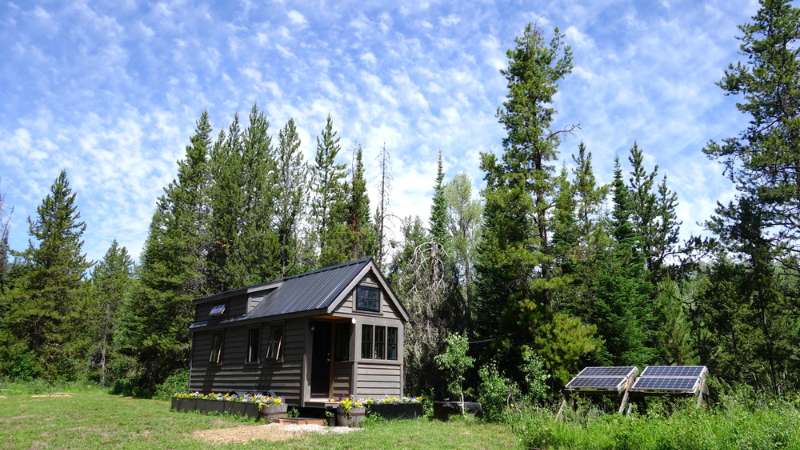
Reliable energy is a cornerstone of off-grid sustainability. Solar panels, wind turbines, and micro-hydro systems are popular choices. Each has its strengths depending on your location and energy needs.
- Solar power: Most off-grid homes rely on solar arrays for electricity. Invest in quality panels and batteries for consistent performance.
- Backup systems: A generator or battery bank can provide peace of mind during extended cloudy periods or high demand.
- Energy conservation: Use LED lighting, energy-efficient appliances, and passive solar design to reduce overall consumption.
For a comprehensive breakdown of essential systems and gear, check out this off-grid living essentials guide.
Water Harvesting and Conservation Strategies
Water is one of the most critical resources for any homestead. Sustainable management involves both harvesting and conserving every drop.
- Rainwater collection: Install gutters and storage tanks to capture rainfall from rooftops.
- Greywater reuse: Safely recycle water from sinks, showers, and laundry for irrigation.
- Efficient irrigation: Use drip systems and mulch to minimize evaporation and direct water to plant roots.
- Water testing: Regularly check well or surface water for contaminants to ensure safety.
Food Production: Gardening and Livestock
Growing your own food is at the heart of off-grid homestead sustainability. A combination of gardens, orchards, and small livestock can provide year-round nutrition and reduce dependence on outside sources.
Vegetable Gardens and Perennials
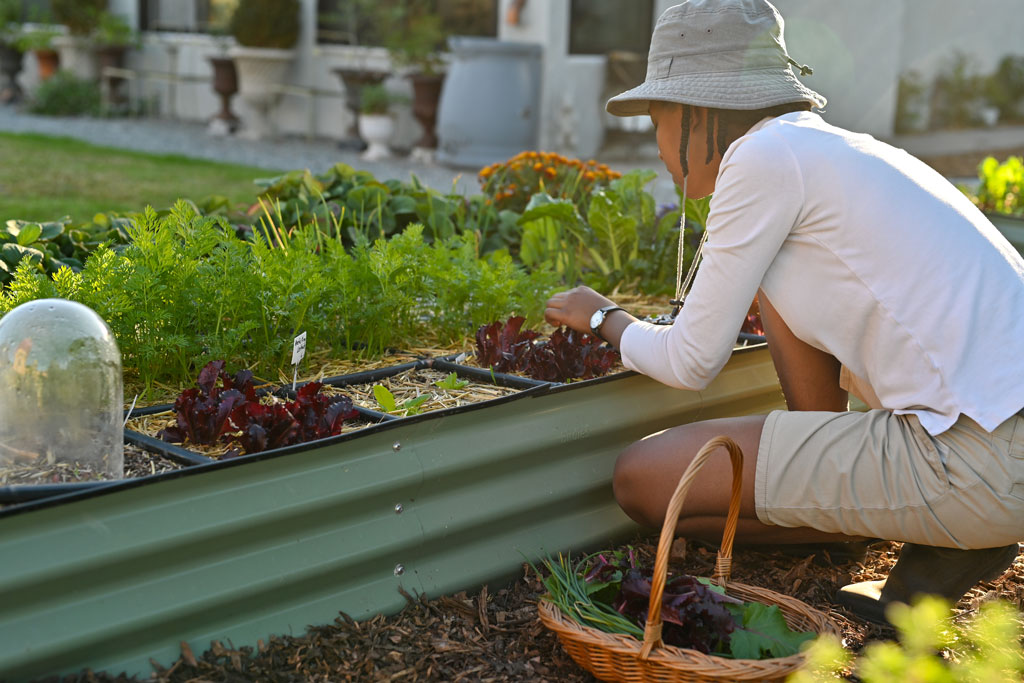
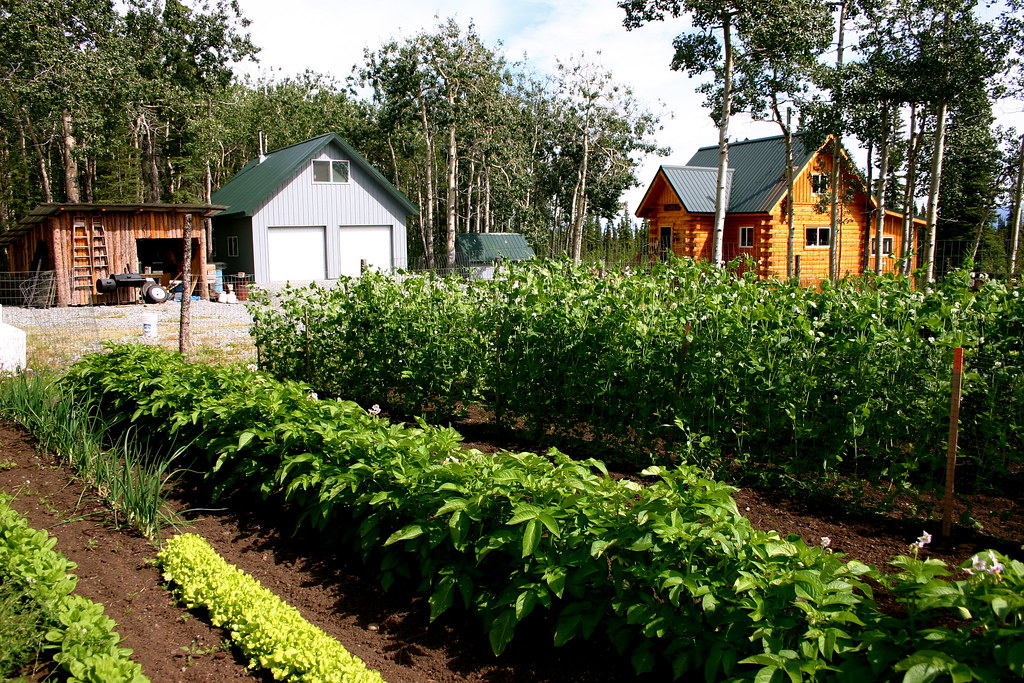
Start with raised beds or in-ground plots, focusing on crops suited to your climate. Perennial plants like berries, asparagus, and fruit trees provide harvests year after year with less maintenance.
- Rotate crops to maintain soil health and reduce pests.
- Compost kitchen and garden waste to enrich your soil naturally.
- Use companion planting to maximize yields and deter insects.
Livestock Integration
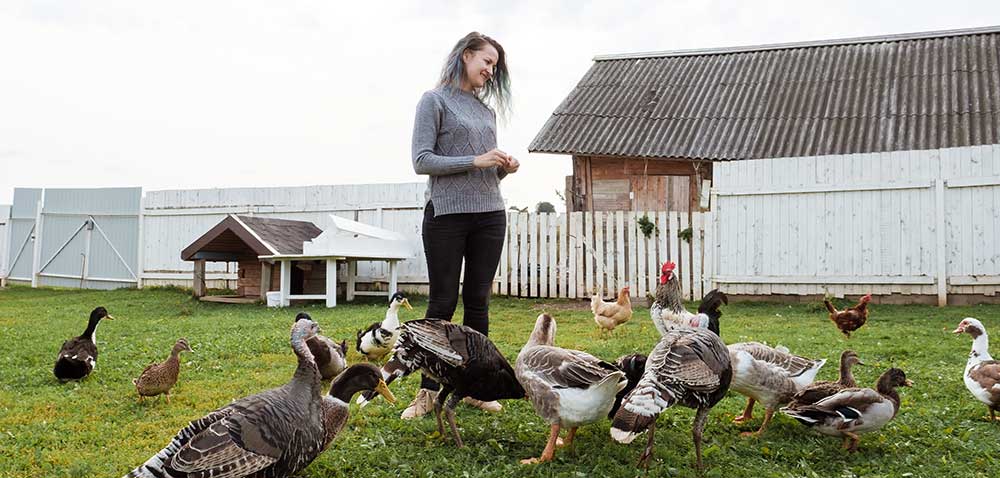
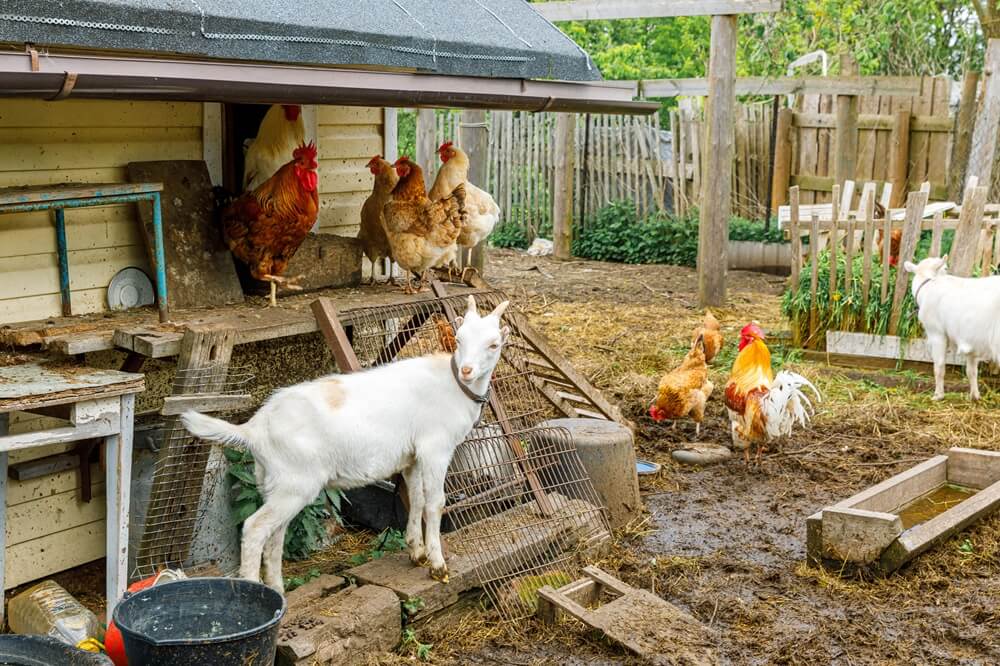
Chickens, ducks, goats, and rabbits are manageable for most homesteads and offer eggs, milk, meat, and natural fertilizer. Proper shelter and rotational grazing keep animals healthy and land productive.
Waste Reduction and Resource Cycling
Minimizing waste is a key part of sustainable living. By closing resource loops, you can turn potential problems into valuable assets.
- Composting: Transform food scraps and yard waste into nutrient-rich soil amendments.
- Manure management: Use animal waste to fertilize gardens and pastures.
- Reuse and repair: Salvage materials for building projects and fix tools instead of replacing them.
- Greywater systems: Divert lightly used water for irrigation, reducing overall consumption.
Emergency Preparedness and Health
Even the most self-sufficient homestead faces risks from weather, accidents, or illness. Being prepared ensures you can handle emergencies without outside help.
- Maintain a well-stocked pantry and first aid kit.
- Develop backup plans for power, water, and food supplies.
- Learn basic medical skills and keep reference materials handy. For more, visit our off-grid medical preparedness resource.
- Have a communication plan for reaching neighbors or emergency services if needed.
Adapting to Seasonal Changes
Each season brings unique challenges and opportunities. Winter may require extra fuel and insulated shelters, while summer is ideal for food preservation and garden expansion.
- Store surplus harvests through canning, drying, or fermenting.
- Plan for heating and cooling needs with wood stoves, passive solar, or root cellars.
- Rotate livestock and garden tasks to match seasonal growth cycles.
Continuous Learning and Community Connections
No homestead is an island. Sharing knowledge and resources with others can help you solve problems, trade goods, and stay motivated. Local groups, online forums, and regional events are great ways to connect.
For those interested in disaster readiness, our disaster preparedness off-grid guide offers additional strategies for resilience.
Frequently Asked Questions
What are the most important first steps for off-grid sustainability?
Start by securing reliable sources of water and energy, then focus on food production and waste management. Assess your land and climate, and plan systems that work together efficiently.
How much land do I need for a self-sufficient homestead?
The amount of land needed depends on your goals, family size, and chosen activities. For a detailed breakdown, see our article on how much land needed for off-grid homestead.
Can I legally live off-grid in my state?
Laws vary widely by location. Research local zoning, building codes, and utility regulations. Our resource on can you live off-grid legally explains what to look for.
What are some reliable ways to store food long-term?
Canning, dehydrating, fermenting, and root cellaring are all effective methods. Choose those that fit your climate and available resources, and always follow safe food preservation guidelines.
By applying these off-grid homestead sustainability tips and staying adaptable, you can create a thriving, resilient home that supports you for years to come.