
As the demand for sustainable living grows, more homeowners are exploring how net-zero homes produce energy and achieve a balance between consumption and generation. These innovative houses are designed to generate as much renewable energy as they use over the course of a year, resulting in a net-zero energy footprint. The process involves a combination of advanced building techniques, efficient appliances, and integrated renewable energy systems. Understanding the mechanisms behind this approach can help you make informed decisions about sustainable construction and home upgrades.
For those comparing the financial aspects of sustainable living, our net-zero home cost vs traditional home guide provides a detailed breakdown of expenses and long-term value.
What Makes a Home Net-Zero?
A net-zero residence is built to minimize energy waste and maximize on-site renewable energy production. The core principle is simple: over a year, the home generates as much clean energy as it consumes. Achieving this requires a two-pronged strategy:
- Reducing energy demand through insulation, airtight construction, and efficient appliances.
- Producing renewable energy using solar panels, wind turbines, or other sustainable systems.
By combining these approaches, net-zero homes not only lower utility bills but also reduce environmental impact. For a step-by-step overview of the design process, see this comprehensive guide to designing a net-zero home.
Key Renewable Energy Systems in Net-Zero Construction
Central to how net-zero homes produce energy are the renewable systems integrated into their design. These technologies work together to offset the building’s energy needs and provide a reliable, sustainable power source.
Solar Photovoltaic (PV) Panels
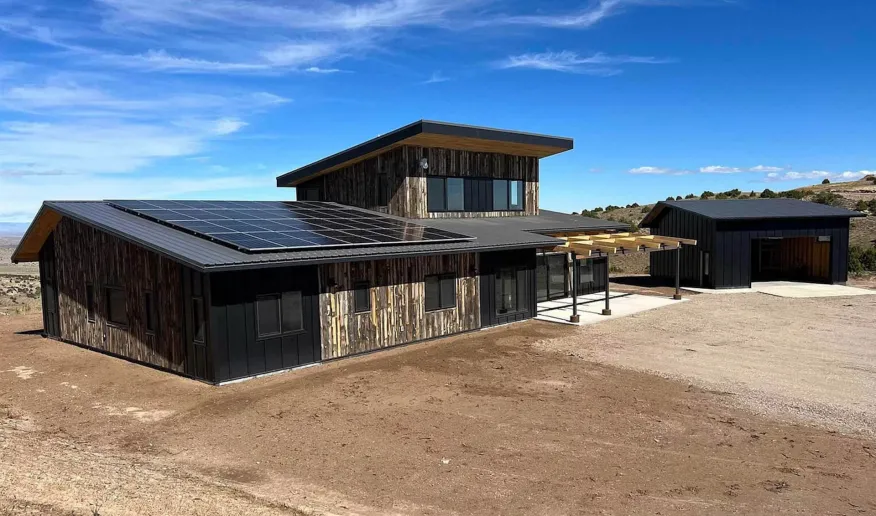
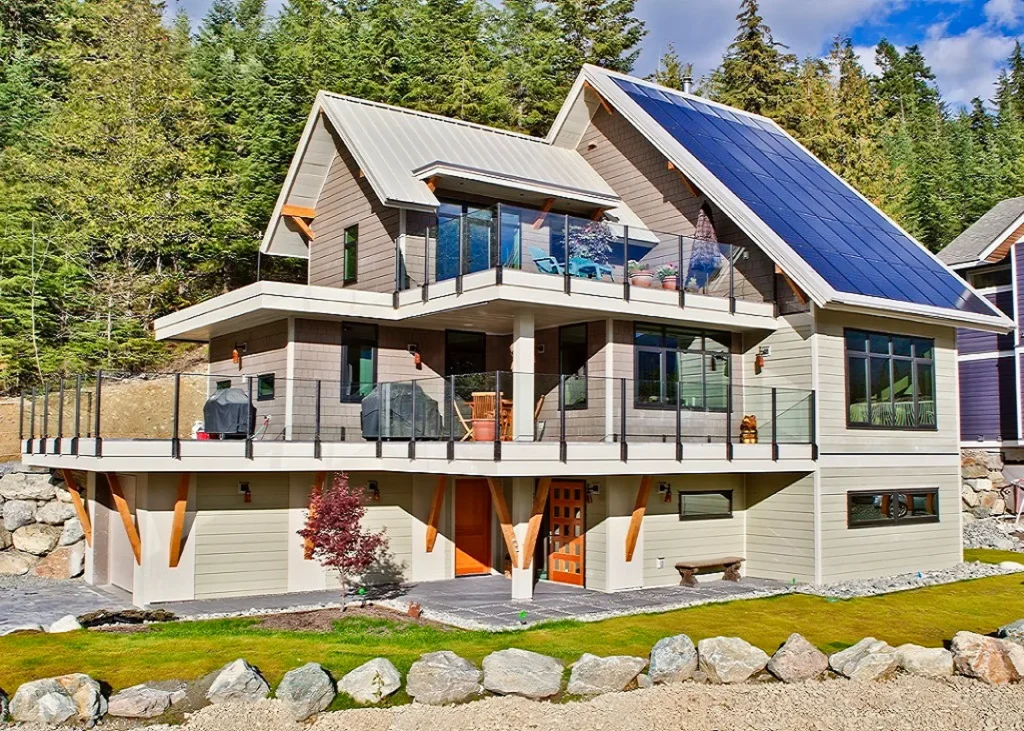
Solar PV panels are the most common renewable system found in net-zero homes. Mounted on rooftops or nearby structures, these panels convert sunlight directly into electricity. The generated power is used immediately or stored in batteries for later use. Excess electricity can often be sent back to the grid, earning credits through net metering programs.

Solar Thermal Systems
While PV panels generate electricity, solar thermal collectors focus on capturing the sun’s heat. These systems are used to provide hot water for domestic use or to supplement space heating. By reducing the need for conventional water heaters, solar thermal technology further cuts down on energy consumption.
Wind Turbines
In areas with consistent wind patterns, small-scale wind turbines can be installed to generate additional electricity. Although less common than solar panels, wind turbines can be a valuable supplement, especially in rural or open locations. The electricity produced can be used on-site or stored for later, helping to balance overall energy needs.
Geothermal Heat Pumps
Geothermal systems use the stable temperatures found underground to heat and cool the home. Pipes buried below the surface circulate a fluid that absorbs or releases heat, depending on the season. This technology is highly efficient and significantly reduces the amount of energy required for climate control.
Energy Storage and Management
Producing renewable energy is only part of the equation. To achieve net-zero status, homes must also manage and store energy effectively. Battery systems, such as lithium-ion or newer technologies, allow homeowners to store excess electricity generated during the day for use at night or during cloudy periods. Smart energy management systems monitor usage patterns and optimize when and how stored energy is used, ensuring maximum efficiency.
Efficiency Measures That Support Renewable Generation
Reducing energy demand is as important as generating clean power. Net-zero homes incorporate a range of efficiency measures, including:
- High-performance insulation to minimize heat loss and gain.
- Airtight construction to prevent drafts and energy leaks.
- Triple-pane windows for superior thermal performance.
- Energy-efficient appliances and lighting to lower overall consumption.
- Heat recovery ventilation (HRV) systems to maintain indoor air quality without wasting energy.
These features work together to reduce the home’s baseline energy requirements, making it easier for renewable systems to meet or exceed demand.
Monitoring and Optimizing Energy Performance
Continuous monitoring is essential to ensure a home remains net-zero over time. Smart meters and energy management platforms provide real-time data on production and consumption. Homeowners can use this information to adjust habits, schedule appliance use, or identify areas for further improvement. For a deeper look at the financial benefits of these strategies, explore our article on long term savings net-zero homes.
Financial Considerations and Return on Investment
While the upfront cost of building or retrofitting a net-zero home can be higher than traditional construction, the long-term savings on energy bills often outweigh the initial investment. Incentives, rebates, and tax credits can further reduce costs. For a comprehensive analysis, see our resource on return on investment net-zero homes.
Budgeting for these projects requires careful planning. Our budget planning net-zero home construction guide offers practical advice for managing expenses and maximizing value.
Challenges and Considerations for Homeowners
Transitioning to a net-zero lifestyle involves more than just installing solar panels. Homeowners must consider site orientation, local climate, available incentives, and the compatibility of different renewable systems. Working with experienced architects and builders familiar with sustainable construction is crucial for success. Understanding cost factors net-zero housing projects can help you anticipate expenses and avoid surprises during the build process.
Frequently Asked Questions
What is the difference between net-zero and zero-energy ready homes?
Net-zero homes generate as much energy as they use annually, while zero-energy ready homes are built to similar efficiency standards but may not include on-site renewable systems. The latter are prepared for future upgrades to reach net-zero status.
Can existing homes be retrofitted to achieve net-zero energy?
Yes, many older homes can be upgraded with improved insulation, air sealing, efficient appliances, and renewable energy systems. The feasibility and cost depend on the home’s current condition and design.
How do net-zero homes perform in different climates?
These homes can be designed for any climate, but the mix of efficiency measures and renewable systems will vary. For example, homes in colder regions may require more insulation and larger solar arrays, while those in sunny climates can rely more heavily on solar power.