
Designing a home that produces as much energy as it consumes requires careful material choices. Selecting energy efficient materials for net-zero homes is essential for reducing energy loss, optimizing comfort, and lowering utility costs. With the right building envelope, insulation, windows, and finishes, homeowners can achieve true net-zero performance while also benefiting from long-term durability and sustainability.
This guide explores the most effective materials for constructing or retrofitting a highly efficient home. We’ll cover insulation, windows, air barriers, roofing, and more, with a focus on products that help minimize energy demand. For those interested in maximizing savings, it’s also helpful to understand energy efficiency in net-zero homes and how these materials integrate with renewable energy systems.
Why Material Selection Matters for Net-Zero Performance
Every component of a home’s structure influences its energy use. The right materials create a tight, well-insulated envelope that keeps conditioned air inside and unwanted heat or cold out. This reduces the workload on heating and cooling systems, making it easier to achieve net-zero status with smaller renewable energy systems.
Beyond energy savings, efficient materials also improve indoor air quality, comfort, and resilience. They can help manage moisture, reduce noise, and support healthy living environments. For those considering battery backup, pairing these materials with battery storage for net-zero homes explained ensures reliable power even during outages.
High-Performance Insulation Options
Insulation is one of the most critical aspects of energy efficient materials for net-zero homes. It slows the transfer of heat through walls, roofs, and floors, helping maintain a consistent indoor temperature year-round. Here are some of the top choices:
- Spray Foam Insulation: Offers high R-values and excellent air sealing, filling gaps and cracks that other materials might miss.
- Rigid Foam Boards: Polyisocyanurate, extruded polystyrene (XPS), and expanded polystyrene (EPS) provide strong thermal resistance for walls and foundations.
- Mineral Wool: Made from natural rock or slag, mineral wool is fire-resistant, moisture-resistant, and provides soundproofing benefits.
- Cellulose Insulation: Composed of recycled paper, cellulose is eco-friendly and effective when densely packed in walls and attics.
Choosing the right insulation depends on climate, budget, and specific project needs. Many net-zero builders combine materials to maximize performance.
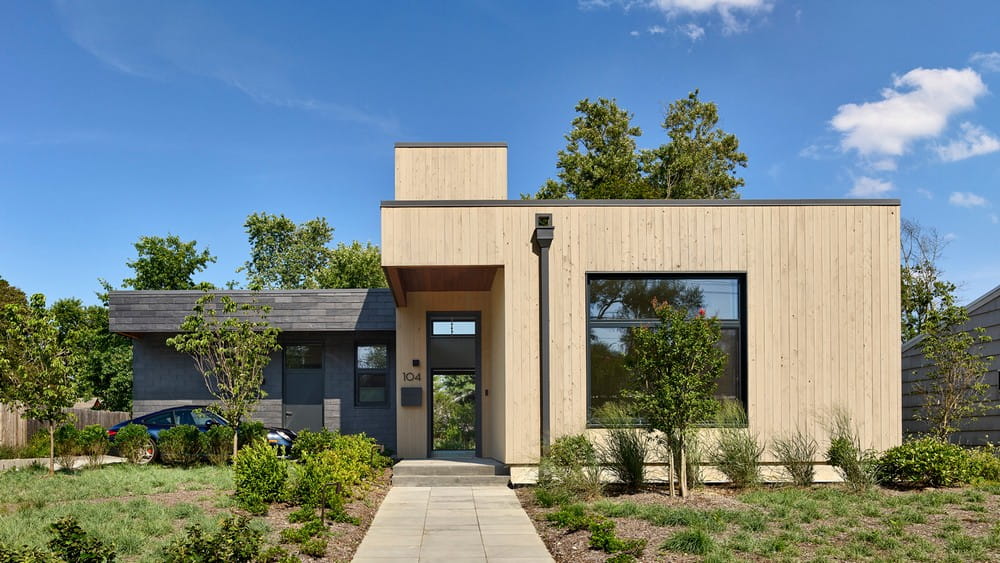
Windows and Doors: Sealing the Envelope
Windows and doors are common sources of energy loss. For net-zero construction, it’s important to use products designed for maximum efficiency:
- Triple-Pane Windows: These offer superior insulation compared to double-pane, with low-emissivity (Low-E) coatings and inert gas fills to minimize heat transfer.
- Fiberglass or Composite Frames: These materials reduce thermal bridging and are more stable than traditional wood or aluminum.
- Insulated Doors: Look for doors with foam cores and tight weatherstripping to prevent drafts.
Proper installation is as important as the materials themselves. Gaps or poor sealing can undermine even the best products.
Air Barriers and Vapor Control
To achieve net-zero energy goals, controlling air and moisture movement is essential. High-quality air barriers, vapor retarders, and weather-resistant barriers help prevent leaks and condensation issues. Common options include:
- Self-Adhered Membranes: These create a continuous seal around the building envelope, blocking air and water infiltration.
- Housewraps: Advanced synthetic wraps allow vapor to escape while keeping bulk water out.
- Liquid-Applied Barriers: Sprayed or rolled-on products form seamless protection, especially around complex details.
Combining these materials with careful detailing at windows, doors, and penetrations is key to long-term performance.
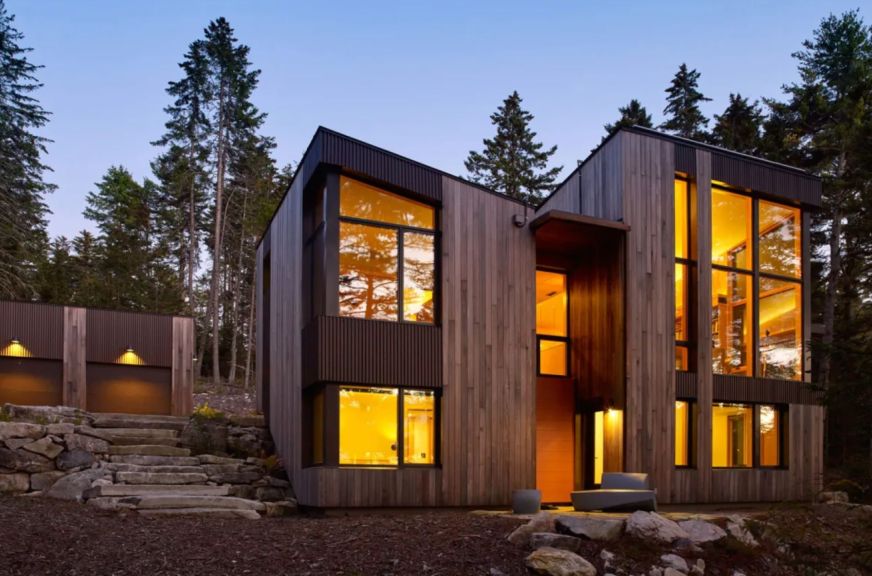
Roofing and Exterior Cladding for Efficiency
The roof and exterior walls are major contributors to a home’s thermal performance. For net-zero projects, consider these options:
- Cool Roofs: Reflective roofing materials, such as white TPO or metal, reduce heat absorption and lower cooling loads.
- Green Roofs: Vegetative layers add insulation and manage stormwater, though they require careful design.
- Insulated Siding: Products like insulated vinyl or fiber cement panels add R-value and improve durability.
Pairing these materials with proper attic insulation and ventilation ensures the building envelope performs at its best.
Interior Finishes and Sustainable Choices
While insulation and windows are critical, interior finishes also play a role in the overall efficiency and health of a home. Consider:
- Low-VOC Paints and Sealants: Improve indoor air quality and reduce harmful emissions.
- Engineered Wood or Bamboo Flooring: These renewable materials are durable and often require less energy to produce.
- Thermal Mass Materials: Concrete, stone, or tile can help regulate indoor temperatures by absorbing and releasing heat slowly.
Thoughtful choices in finishes support the energy goals of the building and contribute to a healthier living space.
Integrating Materials with Net-Zero Design Strategies
Material selection is just one aspect of net-zero construction. To maximize results, integrate these products with passive solar design, airtight construction, and renewable energy systems. For a deeper dive into how homes generate their own power, see how net-zero homes produce energy.
It’s also important to consider the home’s energy balance. For more on achieving equilibrium between energy use and production, explore net-zero energy balance explained.
For design inspiration and case studies, explore innovative net-zero energy home designs that showcase how these materials come together in real-world projects.
Frequently Asked Questions
What are the most important materials for building a net-zero home?
The most critical materials include high-performance insulation (such as spray foam or mineral wool), triple-pane windows, airtight doors, advanced air and vapor barriers, and reflective or insulated roofing. These components work together to minimize energy loss and maintain comfort.
How do energy efficient materials reduce utility costs?
Efficient materials lower the amount of energy needed to heat, cool, and operate a home. By reducing air leaks and improving insulation, they decrease the demand on HVAC systems, which translates to lower monthly bills and a smaller required solar or renewable energy system.
Can existing homes be retrofitted with these materials?
Yes, many energy efficient materials for net-zero homes can be added to existing buildings. Upgrading insulation, replacing windows, sealing air leaks, and improving roofing or siding are all effective retrofit strategies. Homeowners can prioritize projects based on budget and the biggest sources of energy loss.