Energy efficiency in net-zero homes is transforming the way we think about residential living, sustainability, and utility costs. By combining advanced building techniques, smart technology, and renewable energy, these homes are designed to produce as much energy as they consume over the course of a year. The result is a comfortable, eco-friendly living space with dramatically reduced power bills and a smaller carbon footprint.
For homeowners, builders, and anyone interested in sustainable living, understanding how to optimize efficiency in these cutting-edge homes is essential. This guide explores the core strategies, technologies, and design principles that help maximize power savings and ensure true net-zero performance.
To dive deeper into the science behind achieving equilibrium between energy production and consumption, see net-zero energy balance explained for a comprehensive overview.
What Makes a Home Truly Net-Zero?
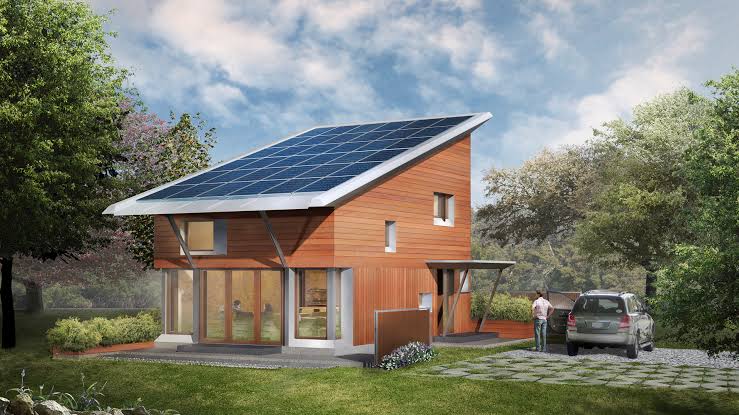
At its core, a net-zero residence is designed to generate as much renewable energy as it uses annually. This is accomplished through a combination of high-performance building envelopes, efficient appliances, and on-site energy generation—most commonly solar panels. The key is not just producing clean energy, but also minimizing the amount needed in the first place.
- Insulation and Air Sealing: Superior insulation in walls, roofs, and floors, combined with meticulous air sealing, prevents unwanted heat loss or gain.
- High-Performance Windows: Triple-pane, low-e windows help maintain indoor temperatures and reduce reliance on heating and cooling systems.
- Efficient HVAC Systems: Heat pumps and energy recovery ventilators provide comfort with minimal energy input.
- Renewable Energy: Solar photovoltaic systems are the most common, but wind and geothermal may also be used depending on location.
Design Principles for Enhanced Energy Performance
Optimizing energy efficiency in net-zero homes starts at the design stage. Every decision, from site orientation to material selection, impacts how much energy the home will require and how much it can generate.
- Passive Solar Design: Positioning the house and its windows to maximize winter sun and minimize summer heat gain can significantly reduce heating and cooling loads.
- Thermal Mass: Materials like concrete or stone absorb and slowly release heat, helping to stabilize indoor temperatures.
- Compact Footprint: A more compact shape reduces surface area, minimizing heat loss and gain.
- Shading and Overhangs: Properly designed overhangs block unwanted summer sun while allowing winter sunlight to warm the home.
For a step-by-step breakdown of how these principles are applied in practice, the guide to building a net-zero home offers detailed insights into construction and planning.
Smart Technologies for Monitoring and Control
Modern net-zero residences rely on smart technology to track, manage, and optimize energy use. These tools help homeowners identify inefficiencies and make real-time adjustments for maximum savings.
- Energy Monitoring Systems: Devices like the Emporia Vue 3 allow users to track electricity usage by circuit, identifying energy hogs and opportunities to cut waste.
- Thermal Imaging: Cameras such as the FLIR ONE Pro make it easy to spot insulation gaps, air leaks, and other problem areas that can undermine efficiency.
- Smart Thermostats and Lighting: Automated controls adjust heating, cooling, and lighting based on occupancy and time of day, reducing unnecessary consumption.
Building Envelope: The Foundation of Efficiency
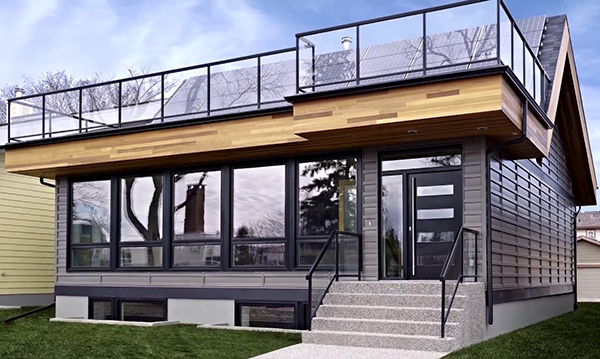
The building envelope—walls, roof, foundation, windows, and doors—serves as the primary barrier between indoor and outdoor environments. In high-performance homes, the envelope is engineered to minimize unwanted heat transfer and air leakage.
Key strategies include:
- Continuous Insulation: Eliminates thermal bridging, where heat bypasses insulation through studs or other materials.
- Advanced Framing Techniques: Reduce the amount of wood in walls, allowing more room for insulation.
- Air Barrier Systems: Use of membranes, tapes, and sealants to create a tight, draft-free shell.
Regular testing with blower doors and thermal cameras ensures that the envelope performs as designed, preventing costly energy losses.
Appliances and Lighting: Small Changes, Big Impact
Even with the best insulation and renewable energy, everyday appliances and lighting can have a significant impact on overall consumption. Choosing ENERGY STAR-rated appliances, LED lighting, and smart power strips can further reduce demand.
- Efficient Appliances: Look for refrigerators, washers, dryers, and dishwashers with high efficiency ratings.
- LED Lighting: LEDs use a fraction of the energy of incandescent bulbs and last much longer.
- Smart Controls: Timers, occupancy sensors, and dimmers help eliminate wasted electricity.
For a closer look at how renewable systems are integrated into these homes, see how net-zero homes produce energy for practical examples and system types.
Financial Considerations and Long-Term Savings
While the upfront investment in a net-zero residence can be higher than a conventional home, the long-term savings are substantial. Lower utility bills, potential tax incentives, and increased property value all contribute to a strong return on investment. For a detailed analysis of costs and payback periods, visit return on investment net-zero homes.
Additionally, careful budget planning net-zero home construction can help homeowners make informed decisions and prioritize upgrades that deliver the greatest impact.
Maximizing Power Savings Year After Year
To maintain peak performance, regular maintenance and monitoring are essential. Homeowners should:
- Track energy production and consumption with monitoring systems.
- Inspect and maintain solar panels, HVAC systems, and insulation.
- Upgrade appliances and lighting as technology advances.
- Seal any new air leaks that develop over time.
For insights into how these strategies translate into real-world savings, explore long term savings net-zero homes for case studies and data.
Frequently Asked Questions
What is the most important factor for maximizing efficiency in a net-zero home?
The building envelope—specifically, insulation and air sealing—is the foundation of efficiency. Without a well-sealed and insulated shell, even the best renewable systems and appliances cannot compensate for energy losses.
How do I know if my home is performing at net-zero levels?
Use energy monitoring systems to track both consumption and production. If your annual energy use matches or is less than your renewable generation, your home is performing at net-zero. Regular audits and monitoring help identify any areas for improvement.
Are net-zero homes more expensive to build?
Initial construction costs can be higher due to advanced materials and systems, but long-term savings on energy bills and potential incentives often offset the investment. Careful planning and prioritizing upgrades can help manage costs effectively.