
Building a net-zero home is an investment in both sustainability and long-term savings. As more homeowners look to reduce their carbon footprint and energy bills, understanding the net-zero home construction cost breakdown becomes essential. Unlike conventional builds, these homes are designed to produce as much energy as they consume, requiring careful planning and specialized materials. The upfront costs can be higher, but the benefits—lower utility bills, increased comfort, and environmental responsibility—often outweigh the initial expense.
This guide explores how costs are distributed across different phases and features of a net-zero project. We’ll look at where your budget goes, what drives up expenses, and how to make informed decisions. If you want to understand the guiding ideas behind these homes, the net-zero housing concept overview offers a helpful starting point.
Understanding Net-Zero Building Costs
The financial outlay for a net-zero build is shaped by several factors: location, climate, home size, design complexity, and the technologies you choose. On average, constructing a net-zero house costs 5–15% more than a standard code-built home. This premium covers advanced insulation, high-performance windows, renewable energy systems, and airtight construction.
However, the total net-zero home construction cost breakdown is more nuanced. Some expenses are offset by incentives, rebates, and future energy savings. It’s important to analyze each component to see where your money is going and how you can optimize your investment.
Major Cost Categories in Net-Zero Projects
To better understand the financial commitment, let’s break down the main categories that make up the total cost of a net-zero home:
- Design and Planning
- Building Envelope (walls, roof, insulation, windows, doors)
- Mechanical Systems (heating, cooling, ventilation)
- Renewable Energy Systems (solar panels, battery storage)
- Site Work and Foundation
- Finishes and Fixtures
- Soft Costs (permits, engineering, certifications)
Each of these categories can vary in cost depending on your choices and local conditions. Let’s look at each in more detail.
Design and Planning: The Foundation of Efficiency
A successful net-zero build starts with thoughtful design. Architects and energy consultants work together to create a home that balances aesthetics, comfort, and performance. Expect to allocate 5–10% of your total budget to this phase. This covers:
- Architectural and engineering fees
- Energy modeling and simulations
- Site analysis and orientation planning
Investing in experienced professionals at this stage can help avoid costly mistakes later and ensure your home meets net-zero targets.
Building Envelope: Where Efficiency Begins
The envelope—walls, roof, insulation, windows, and doors—plays a crucial role in minimizing energy loss. High-quality materials and meticulous installation are essential. Here’s how costs typically break down:
- Insulation: Enhanced insulation (such as spray foam or rigid foam) can cost 20–50% more than standard options, but it dramatically reduces heating and cooling needs.
- Windows and Doors: Triple-pane, low-e windows and insulated doors are more expensive upfront but are vital for airtightness and comfort.
- Air Sealing: Specialized tapes, membranes, and labor for airtight construction add to costs but pay off in energy savings.
Mechanical Systems and Energy Efficiency
Heating, cooling, and ventilation systems in net-zero homes are designed for maximum efficiency. Common choices include heat pumps, energy recovery ventilators (ERVs), and radiant floor heating. These systems often cost more upfront but use far less energy over time. Key points:
- Heat Pumps: Highly efficient for both heating and cooling; initial cost is higher than traditional furnaces or air conditioners.
- ERV/HRV Systems: Essential for fresh air and moisture control in airtight homes; adds to mechanical costs.
- Smart Controls: Advanced thermostats and monitoring systems help optimize energy use.
For a deeper dive into the principles guiding these choices, see the principles of net-zero home design.
Renewable Energy Systems: Powering Your Home
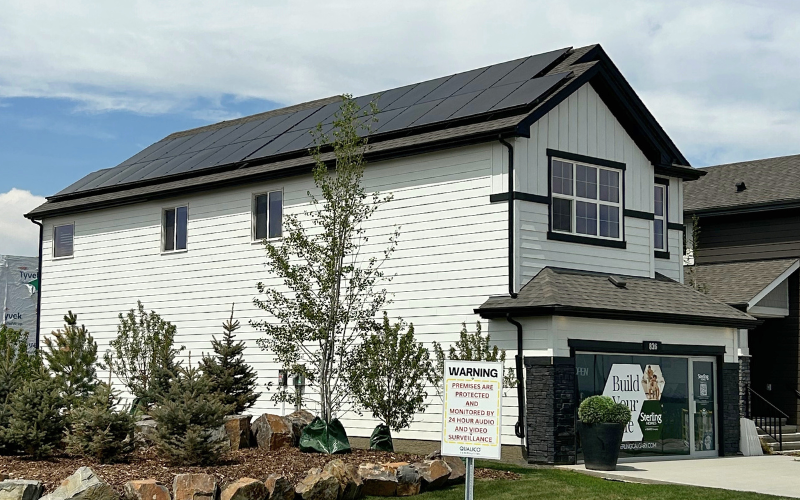
A defining feature of net-zero homes is on-site renewable energy generation, usually through solar photovoltaic (PV) panels. The cost of a solar system depends on the size of the home, local sunlight hours, and energy needs. Battery storage, while optional, can add significantly to the budget but increases resilience and self-sufficiency.
- Solar PV: Installation costs have dropped in recent years, but a typical system still represents a major line item in the budget.
- Batteries: Optional but increasingly popular for backup power and grid independence.
- Incentives: Federal, state, and local incentives can offset a portion of these costs.
To learn how to plan and size these systems, check out this step-by-step guide to designing a net-zero home.
Site Work, Foundation, and Finishes
Site preparation and foundation work are similar to any new build, but may require extra attention for optimal orientation and insulation. Finishes and fixtures—flooring, cabinetry, lighting—can be standard or upgraded for sustainability, depending on your budget and priorities.
- Site Work: Grading, excavation, and landscaping tailored for passive solar gain and drainage.
- Foundation: Insulated slabs or basements to prevent energy loss.
- Finishes: Eco-friendly materials can add to costs but support the home’s overall sustainability goals.
Soft Costs and Certification
Beyond construction, there are additional expenses to consider:
- Permits and Fees: Local building permits, utility connection fees, and inspections.
- Certification: Third-party verification (such as Passive House or LEED) may be required for incentives or resale value.
- Consulting: Energy consultants and commissioning agents ensure systems perform as designed.
These soft costs typically account for 5–10% of the total project budget.
Comparing Net-Zero and Conventional Home Costs
While the initial investment for a net-zero home is higher, the long-term savings are substantial. Lower utility bills, potential tax credits, and increased property value can offset the upfront premium. For a detailed comparison, see the net-zero home vs energy efficient home resource.
It’s also worth exploring the benefits of net-zero home construction to understand the full value proposition beyond just the financials.
Optimizing Your Net-Zero Home Budget
To get the most from your investment:
- Work with experienced designers and builders familiar with net-zero standards.
- Prioritize the building envelope and mechanical systems for the biggest impact on energy use.
- Research local incentives and rebates for renewable energy and efficiency upgrades.
- Consider phased upgrades—some homeowners add solar panels or batteries later as budgets allow.
Careful planning and smart choices can help you achieve a high-performance home without overspending.
FAQ: Net-Zero Home Construction Costs
How much more does it cost to build a net-zero home compared to a standard home?
On average, expect to pay 5–15% more upfront for a net-zero build. This premium covers better insulation, high-performance windows, advanced mechanical systems, and renewable energy generation. Over time, energy savings can help recoup the additional investment.
What are the biggest drivers of cost in a net-zero home?
The most significant expenses are usually the building envelope (insulation, windows, air sealing) and renewable energy systems (solar panels, batteries). Design and consulting fees also add to the total, but are essential for achieving true net-zero performance.
Are there incentives or rebates available for net-zero construction?
Yes, many regions offer incentives, tax credits, and rebates for energy-efficient construction and renewable energy installations. These can help offset the higher initial costs. Check with local and federal programs for current offerings.