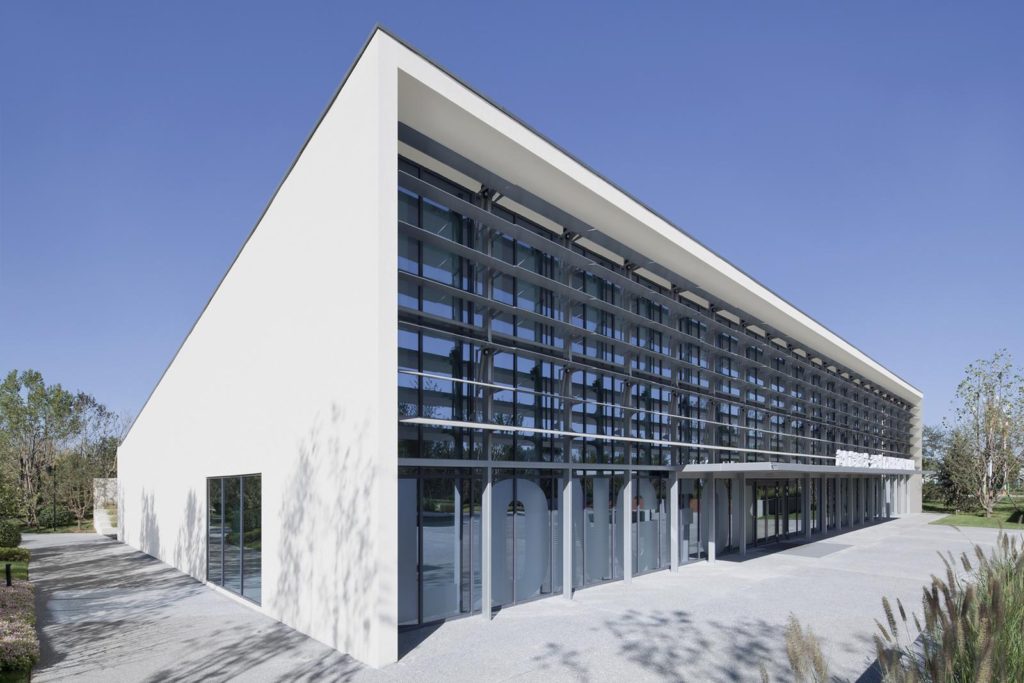
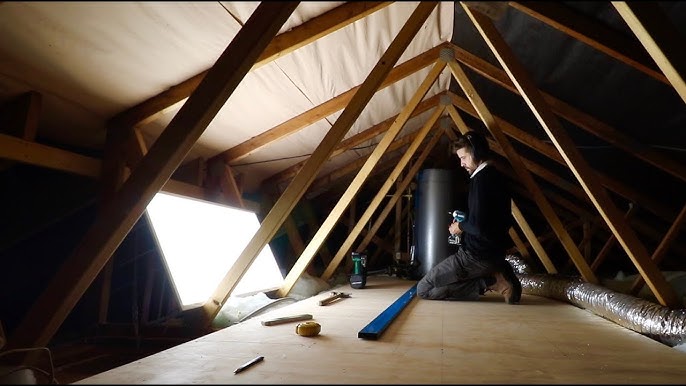
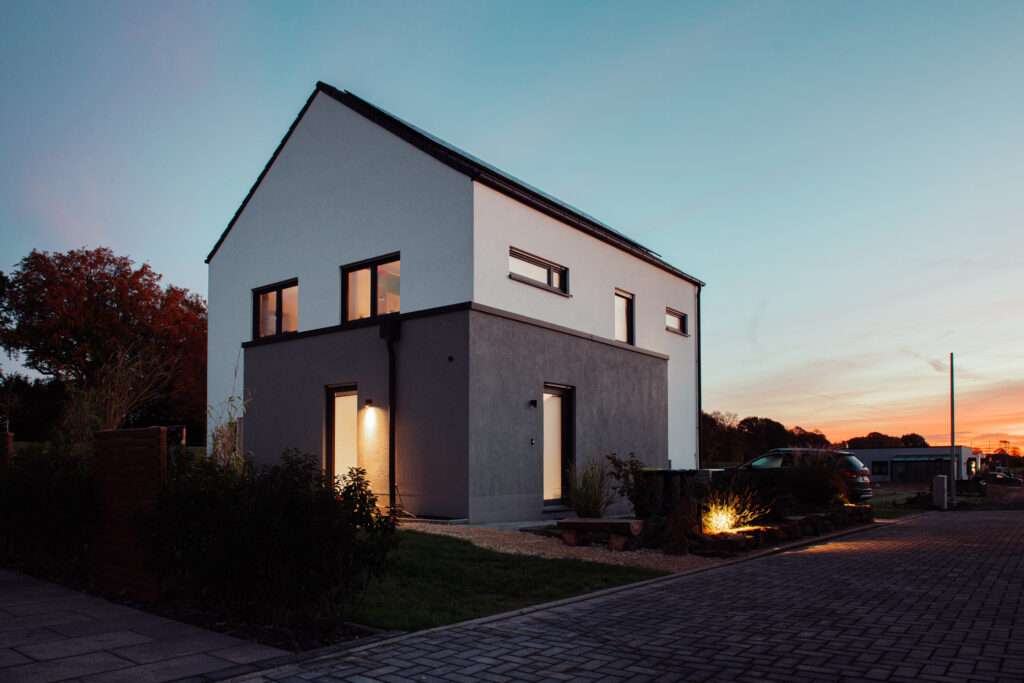
As the demand for sustainable living grows, more homeowners and developers are turning to net-zero housing. These homes are designed to produce as much energy as they consume, resulting in a dramatically reduced carbon footprint. However, understanding the cost factors net-zero housing projects involve is essential for anyone considering this investment. From advanced building materials to renewable energy systems, several elements can significantly influence the total budget.
Before diving into the main components that drive expenses, it’s helpful to explore related resources. For a detailed look at expenses, see the net-zero home construction cost breakdown for insights on where the money goes in these projects. This guide will help you identify the most impactful variables and make informed decisions as you plan your sustainable home.

Understanding the Main Cost Drivers in Sustainable Home Construction
Building a net-zero home involves a unique set of expenses compared to traditional construction. The following are the most significant contributors to the overall budget:
- Building Envelope Upgrades: Enhanced insulation, high-performance windows, and airtight construction are essential for minimizing energy loss. These upgrades can add to upfront costs but are critical for achieving net-zero performance.
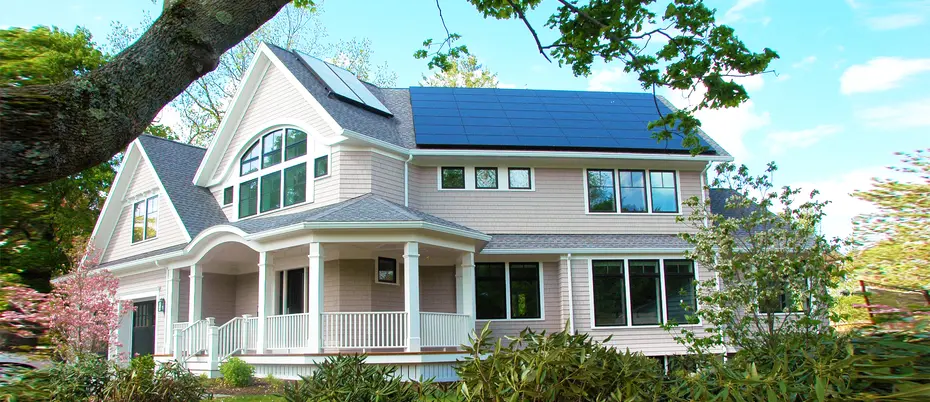
- Renewable Energy Systems: Solar panels, geothermal heat pumps, and other renewable technologies are central to offsetting energy use. The size and type of system required depend on the home’s energy needs and local climate.
- Efficient Mechanical Systems: Advanced HVAC systems, heat recovery ventilators, and energy-efficient appliances are necessary to reduce consumption and maintain comfort.
- Design and Engineering: Specialized architects and engineers familiar with net-zero standards may charge higher fees, but their expertise ensures the home meets performance targets.
- Site-Specific Variables: Orientation, shading, and local weather patterns influence both design and system sizing, impacting overall expenses.
Each of these factors can vary widely depending on location, size, and the desired level of sustainability.
Building Envelope: The Foundation of Energy Efficiency
The building envelope is one of the most influential cost factors in net-zero housing projects. A well-designed envelope reduces heating and cooling loads, allowing for smaller and more affordable mechanical systems. Key components include:
- Insulation: High R-value insulation in walls, roofs, and floors is essential. Materials such as spray foam, rigid foam boards, or advanced fiberglass can increase costs but deliver long-term savings.
- Windows and Doors: Triple-glazed windows and insulated doors minimize heat transfer. While more expensive than standard options, they are vital for maintaining a consistent indoor temperature.
- Airtightness: Careful sealing of all joints, penetrations, and seams prevents air leaks. Blower door testing is often used to verify performance, sometimes requiring additional labor and materials.
Investing in a robust envelope pays off by reducing the size and cost of renewable energy systems needed to reach net-zero status.
Renewable Energy Systems and Their Impact on Budget
Generating on-site energy is a defining feature of net-zero homes. The selection and sizing of renewable systems are among the most visible cost factors for net-zero housing projects. Considerations include:
- Solar Photovoltaic (PV) Panels: The most common choice, solar panels can represent a significant portion of the budget. System size depends on energy demand, local solar potential, and available roof space.
- Energy Storage: Battery systems add flexibility but also increase upfront costs. They are especially valuable in areas with grid instability or time-of-use electricity pricing.
- Geothermal and Air-Source Heat Pumps: These systems provide efficient heating and cooling but require higher initial investment compared to conventional HVAC.
Careful planning and energy modeling can help optimize system size, balancing initial expenses with long-term savings.
Mechanical Systems and Smart Home Technology
Efficient mechanical systems are essential for reducing energy use. Modern net-zero homes often include:
- Heat Recovery Ventilators (HRVs) or Energy Recovery Ventilators (ERVs): These systems improve indoor air quality while minimizing heat loss.
- High-Efficiency Appliances: ENERGY STAR-rated appliances and LED lighting further reduce energy demand.
- Smart Controls: Programmable thermostats, energy monitors, and automation systems help homeowners track and manage consumption.
While these features add to the initial investment, they are crucial for achieving and maintaining net-zero performance.
Design, Engineering, and Soft Costs
Beyond materials and systems, soft costs can also be a major part of the budget. These include:
- Architectural and Engineering Fees: Professionals with experience in sustainable design may charge premium rates, but their expertise is crucial for meeting net-zero standards.
- Permitting and Certification: Achieving certifications such as Passive House or LEED can involve additional documentation and fees.
- Energy Modeling: Detailed simulations are often required to predict performance and optimize design, adding to pre-construction expenses.
Investing in qualified professionals and thorough planning helps avoid costly mistakes and ensures the project meets its energy goals.
Site Conditions and Regional Influences
Location-specific variables can have a significant impact on the cost of building a net-zero home. Factors to consider include:
- Climate: Colder regions require more insulation and larger renewable systems, while milder climates may allow for smaller investments.
- Local Incentives: Rebates, tax credits, and grants can offset some expenses. For more details, explore net-zero home financing options explained to learn about available support.
- Labor Market: Areas with limited experience in sustainable construction may see higher labor costs due to specialized training or travel.
Understanding these regional influences is essential for accurate budgeting and planning.
Long-Term Value and Return on Investment
While the upfront cost factors net-zero housing projects present can be higher than conventional homes, the long-term benefits are substantial. Homeowners can expect:
- Lower Utility Bills: Reduced or eliminated energy costs offer ongoing savings.
- Increased Home Value: Sustainable features are increasingly attractive to buyers and can boost resale value.
- Health and Comfort: Superior indoor air quality and stable temperatures enhance quality of life.
For those looking to manage expenses, practical advice is available in affordable net-zero home building tips to help keep costs in check without sacrificing performance.
Comparing Net-Zero and Conventional Home Costs
It’s important to compare the investment in net-zero construction with traditional building methods. While initial costs are typically higher, the gap is narrowing as technology improves and demand increases. For a detailed comparison, see how much does a net-zero home cost for a breakdown of pricing and expectations.
Additionally, ongoing research and policy changes are making these homes more accessible. For a broader perspective, explore this overview of net-zero home design and economics for further insights.
FAQ: Common Questions About Net-Zero Home Costs
What is the average premium for building a net-zero home?
The additional upfront cost for a net-zero home typically ranges from 5% to 20% above standard construction, depending on location, design complexity, and the technologies chosen. However, this premium is often offset by lower utility bills and available incentives.
How can I reduce the cost of my net-zero project?
To keep expenses manageable, focus on optimizing the building envelope, right-sizing renewable systems, and taking advantage of local rebates or grants. Working with experienced professionals and using energy modeling can also help identify cost-saving opportunities.
Are there financing options for net-zero homes?
Yes, many lenders offer green mortgages or specialized loans for sustainable construction. Incentives and rebates from government programs can further reduce the financial burden. For more information, review the net-zero home financing options explained for a comprehensive overview.