
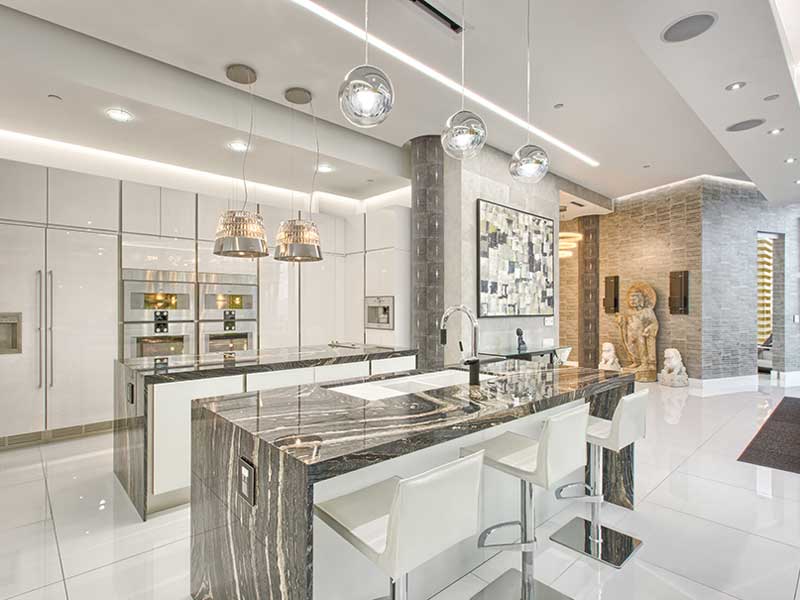

Choosing the right flooring is one of the most important decisions in any kitchen renovation. The floor sets the tone for the entire space, impacts daily comfort, and must withstand heavy use, spills, and frequent cleaning. With so many materials and styles available, finding the perfect balance between aesthetics and resilience can feel overwhelming. This guide explores a range of kitchen remodeling flooring ideas that deliver both visual appeal and long-lasting performance, helping you create a kitchen that suits your lifestyle and design vision.
Before diving into specific materials, it’s wise to consider how your floor will coordinate with other elements in your kitchen. For tips on achieving a cohesive look, check out kitchen remodeling style planning guide for cohesive interiors.
Popular Flooring Materials for Kitchen Renovations
When evaluating kitchen remodeling flooring ideas, it’s essential to weigh the pros and cons of each material. Some options excel in durability, while others offer unique textures or colors. Here’s a closer look at the most popular choices:
Luxury Vinyl Plank (LVP) and Tile
Luxury vinyl has become a go-to for many homeowners due to its impressive water resistance, comfort underfoot, and realistic wood or stone visuals. LVP and LVT are engineered to handle spills, dropped pans, and heavy foot traffic. They’re also softer and warmer than ceramic or stone, making them pleasant for long cooking sessions. Installation is often straightforward, and maintenance is as simple as regular sweeping and mopping.
Porcelain and Ceramic Tile
For those prioritizing durability and design flexibility, porcelain and ceramic tiles are classic choices. These tiles are nearly impervious to water, resist stains, and come in countless styles, from traditional subway patterns to large-format slabs that mimic marble or concrete. Grout lines require occasional cleaning, but the surface itself is easy to maintain. Tiles can feel cold and hard, so consider area rugs or radiant heating for added comfort.
Engineered Hardwood
Many homeowners love the warmth and character of wood, but solid hardwood can be vulnerable to moisture. Engineered hardwood offers a practical alternative, featuring a real wood veneer over a stable core that resists warping. It brings natural beauty to the kitchen while offering better performance in humid environments. Choose finishes with strong sealants to protect against spills and scratches.
Creative Approaches to Kitchen Flooring Design
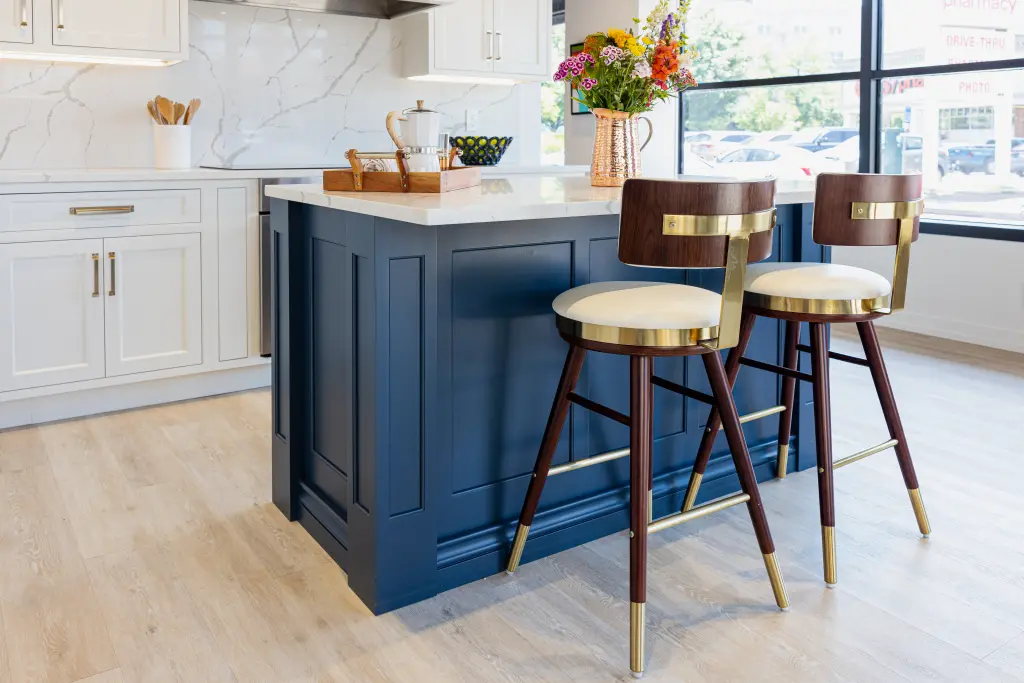
Beyond material selection, the way you lay out your floor can dramatically influence the look and feel of your kitchen. Here are some design-forward kitchen remodeling flooring ideas that add personality and interest:
- Herringbone or Chevron Patterns: Arrange planks or tiles in these classic patterns for a sense of movement and sophistication.
- Mixed Materials: Combine two flooring types, such as tile around the perimeter and wood in the center, to define zones and add visual intrigue.
- Large-Format Tiles: Oversized tiles reduce grout lines, making small kitchens appear more spacious and modern.
- Bold Colors or Patterns: Don’t shy away from patterned cement tiles or colored porcelain for a statement floor that becomes a focal point.
For more inspiration on achieving a balanced and harmonious kitchen, explore kitchen remodeling visual balance tips.
Factors to Consider When Selecting Kitchen Floors
Every kitchen is unique, so the best flooring for your remodel depends on several factors. Keep these considerations in mind as you compare options:
- Durability: Kitchens are high-traffic areas prone to spills, dropped utensils, and constant cleaning. Choose materials that can handle daily wear and tear.
- Water Resistance: Spills are inevitable, so opt for flooring that won’t warp or stain when exposed to moisture.
- Comfort: If you spend a lot of time cooking, softer surfaces like vinyl or cork can reduce fatigue.
- Maintenance: Some floors require regular sealing or special cleaners, while others are virtually maintenance-free.
- Style Compatibility: Your floor should complement cabinetry, countertops, and appliances for a cohesive look. For guidance, see the kitchen remodeling hardware style guide for cabinets and drawers.
- Budget: Costs vary widely; factor in both material and installation expenses.
Eco-Friendly and Alternative Flooring Options
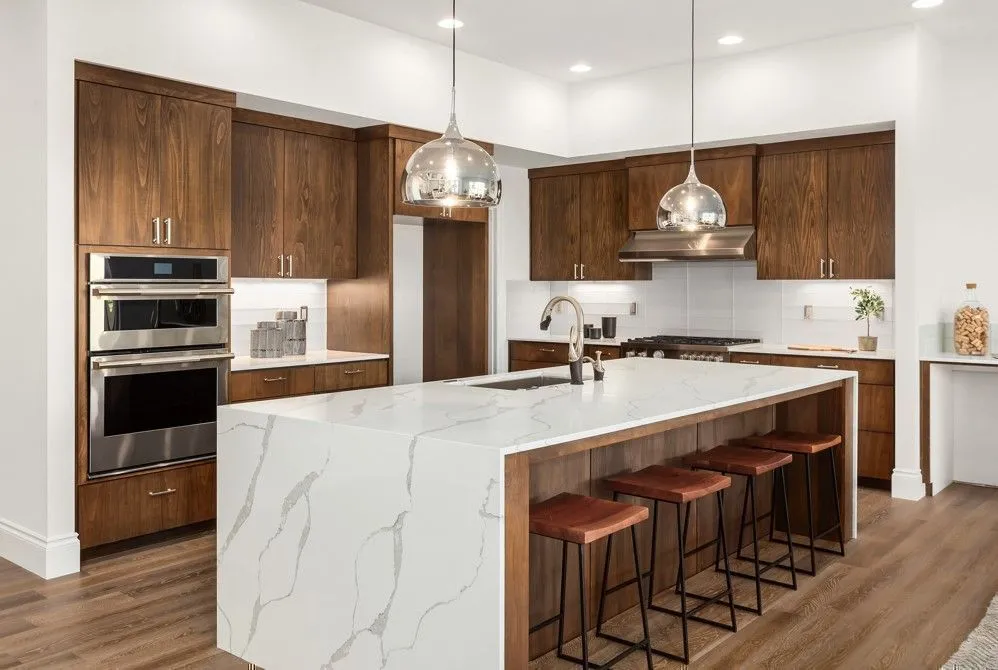
For those seeking sustainable kitchen remodeling flooring ideas, several eco-conscious materials are worth considering:
- Cork: Harvested from renewable bark, cork is soft, warm, and naturally antimicrobial. It’s also water-resistant when properly sealed.
- Bamboo: A fast-growing grass, bamboo is harder than many hardwoods and offers a sleek, modern look.
- Recycled Materials: Some tiles and vinyl products incorporate recycled content, reducing environmental impact.
These options not only support green building practices but can also introduce unique textures and tones to your kitchen design.
Installation and Maintenance Tips
Proper installation and care are key to maximizing the lifespan of your new kitchen floor. Here are a few practical tips:
- Always follow manufacturer guidelines for acclimating and installing materials.
- Use high-quality underlayment to improve comfort and reduce noise.
- Seal grout lines and wood finishes to protect against moisture.
- Clean up spills promptly and use mats in high-traffic zones.
- Schedule regular deep cleans for tile and grout to prevent buildup.
For more advice on keeping your kitchen functional and tidy, see kitchen remodeling cleaning zone layout ideas for practical kitchens.
Inspiration and Trends in Kitchen Flooring
Staying up to date with current trends can help your kitchen feel fresh and inviting. Some popular directions include:
- Matte Finishes: Less prone to showing smudges and scratches than glossy surfaces.
- Natural and Neutral Tones: Light woods, soft grays, and warm beiges create a timeless backdrop.
- Patterned Tiles: Geometric and encaustic designs add personality and charm.
- Seamless Transitions: Using the same flooring throughout open-concept spaces for a unified look.
For a broader perspective on remodeling trends, explore these top kitchen remodel ideas from industry experts.
And if you’re interested in integrating appliances seamlessly, don’t miss these kitchen remodeling hidden appliance ideas for sleek kitchens.
Frequently Asked Questions
What is the most durable flooring for kitchens?
Porcelain tile is often considered the most durable option for kitchens due to its resistance to water, stains, and scratches. Luxury vinyl plank and engineered hardwood are also excellent choices for balancing resilience with style.
Can I use hardwood flooring in a kitchen?
Yes, but engineered hardwood is generally preferable to solid wood because it handles moisture and temperature changes better. Always use a high-quality finish and clean up spills quickly to prevent damage.
How do I choose the right color for my kitchen floor?
Consider your cabinetry, countertops, and wall colors. Lighter floors can make small kitchens feel larger, while darker tones add warmth and contrast. Neutral shades are versatile and timeless, but don’t be afraid to add personality with patterns or bold hues if it suits your style.


