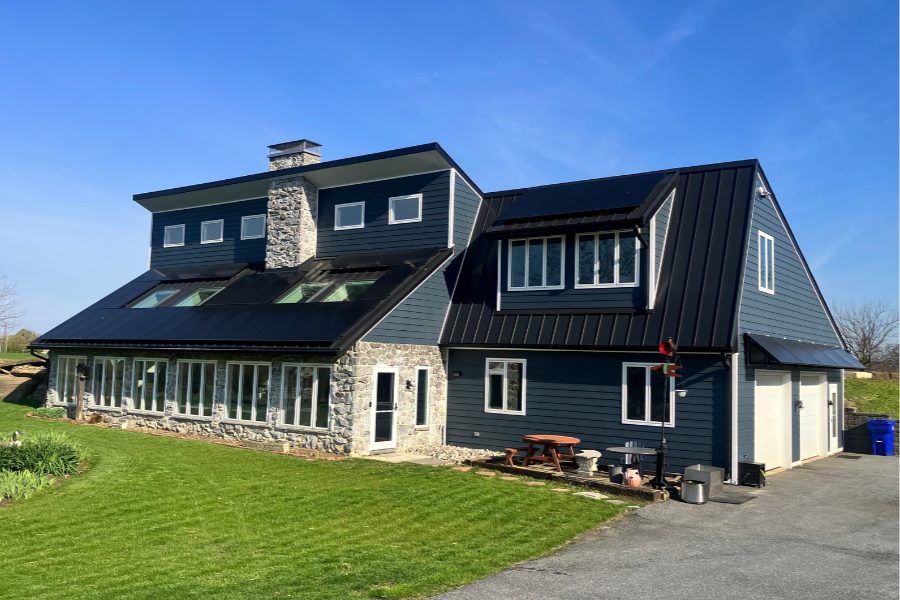

Achieving a truly net-zero building is a significant accomplishment, but the path is filled with challenges that can undermine energy performance, comfort, and long-term value. Many projects fall short of their goals due to avoidable errors in design, planning, and execution. Understanding the common mistakes net-zero construction teams make—and how to sidestep them—can help homeowners, builders, and architects deliver projects that live up to their sustainability promises.
This article explores the most frequent pitfalls encountered during the journey to a net-zero home and provides actionable strategies to ensure your project stays on track. For a step-by-step breakdown of the process, see the net-zero home construction process guide, which offers a detailed roadmap from planning to completion.
Poor Planning and Unrealistic Goals
One of the first and most damaging errors is entering a project without a clear, achievable plan. Many teams underestimate the complexity of net-zero design or set goals that are not aligned with their budget, climate, or site conditions. This disconnect can lead to costly redesigns, delays, or compromised performance.
To avoid this, start with a robust planning phase that includes:
- Setting measurable energy targets based on local climate data
- Engaging experienced professionals early in the process
- Conducting a thorough site analysis—see the site selection net-zero homes guide for best practices
- Aligning design choices with your long-term sustainability goals
For more on setting the right foundation, review the planning phase net-zero construction resource, which details how to define and document your objectives from the outset.
Ignoring Building Envelope Fundamentals
The building envelope—walls, roof, windows, and foundation—plays a critical role in minimizing energy loss. A common oversight is underestimating the importance of airtightness and insulation. Gaps, thermal bridges, and poorly detailed assemblies can lead to significant heat loss, moisture problems, and reduced comfort.
Key strategies to prevent these issues include:
- Prioritizing high-performance insulation and continuous air barriers
- Using blower door tests to verify airtightness during construction
- Addressing thermal bridges at junctions and penetrations
- Specifying high-quality windows and doors with low U-values
For a deeper dive into foundation strategies that support energy goals, explore the foundation design net-zero homes article.
Overlooking Integrated Design and Collaboration
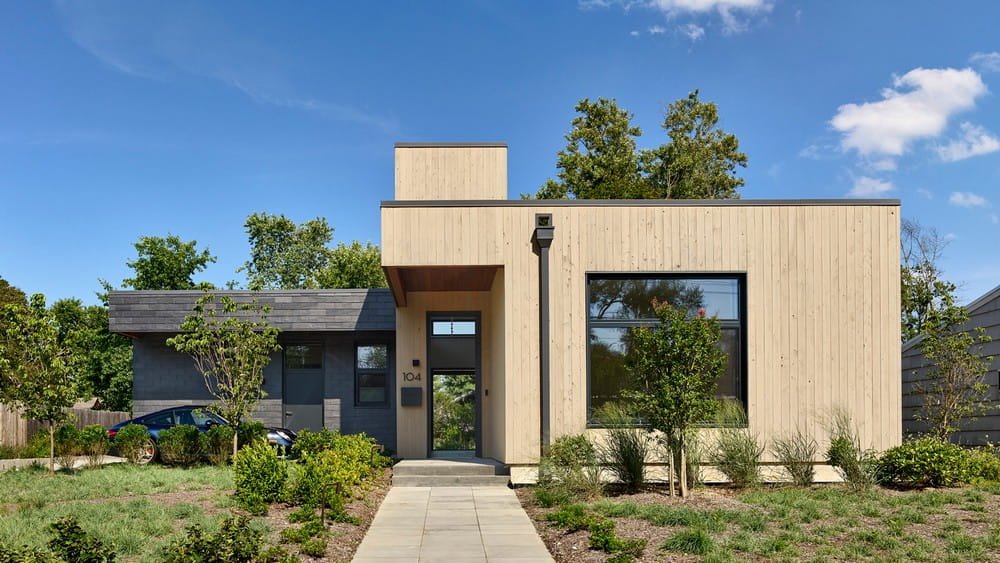
Net-zero projects demand close collaboration among architects, engineers, builders, and energy consultants. A frequent mistake is treating energy modeling, mechanical design, and construction as separate silos. This fragmented approach can result in missed opportunities for efficiency and costly change orders.
Best practices include:
- Adopting an integrated design process from the start
- Holding regular coordination meetings to resolve conflicts early
- Ensuring all team members understand the project’s energy goals
- Using energy modeling as a decision-making tool throughout design and construction
Collaborative workflows help ensure that energy-saving strategies are implemented consistently and that all systems work together as intended.
Improper Sizing and Selection of Mechanical Systems
Another common pitfall is incorrectly sizing heating, cooling, and ventilation systems. Oversized or undersized equipment can lead to inefficiency, discomfort, and higher operating costs. This is especially problematic in highly insulated, airtight homes where traditional sizing rules no longer apply.
To avoid these issues:
- Base equipment selection on detailed energy modeling, not rules of thumb
- Choose high-efficiency heat pumps, ERVs, or HRVs suited to your climate
- Ensure ductwork is properly sealed and insulated
- Commission all systems to verify performance
For a comprehensive overview of the steps involved in achieving a high-performance home, see steps to build net-zero home.
Neglecting Renewable Energy Optimization
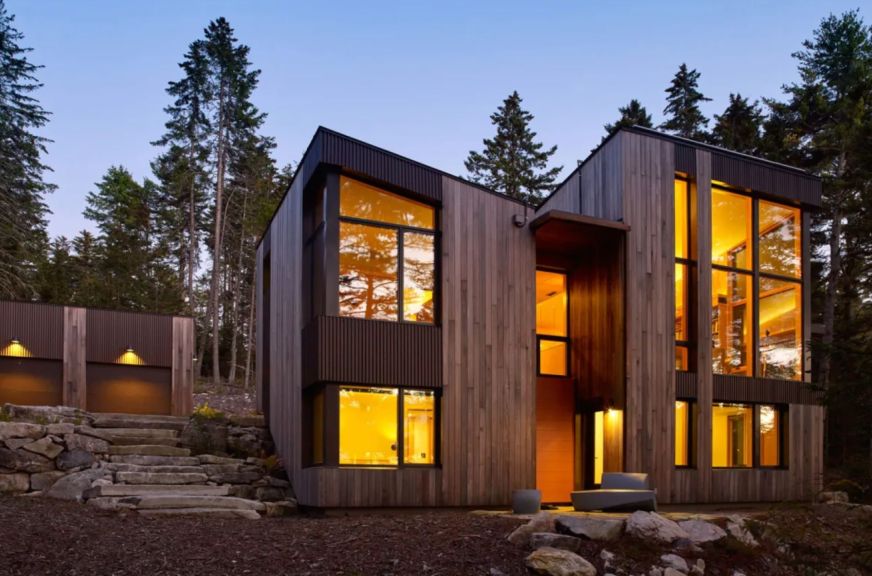
Installing solar panels or other renewable systems without careful analysis can lead to underperformance. Mistakes such as poor orientation, shading, or insufficient system sizing can prevent a home from reaching net-zero status.
To maximize renewable energy output:
- Conduct a solar feasibility study early in design
- Optimize roof orientation and tilt for maximum sun exposure
- Minimize shading from trees, chimneys, or nearby buildings
- Size the system based on projected annual energy use, not just available roof space
For more insights on designing energy-positive homes, see examples of net-zero energy home designs that successfully integrate renewables.
Failing to Monitor and Adjust Performance
Even the best-designed homes can fall short if performance is not measured and maintained. A frequent error is neglecting post-occupancy monitoring, which can allow small issues to go unnoticed and undermine energy savings.
To ensure your home operates as intended:
- Install energy monitoring systems to track usage in real time
- Use thermal imaging to detect hidden air leaks or insulation gaps
- Schedule regular maintenance for HVAC and renewable systems
- Educate occupants on efficient operation and maintenance
Continuous feedback helps identify and resolve problems quickly, ensuring the home remains net-zero over its lifetime.
Frequently Asked Questions
What is the most common mistake in net-zero home projects?
The most frequent error is inadequate planning, which leads to mismatched goals, budgets, and site conditions. Early, integrated planning with clear targets is essential for success.
How can I make sure my building envelope is truly airtight?
Use continuous air barriers, conduct blower door tests during construction, and pay special attention to details around windows, doors, and penetrations. Thermal imaging cameras can help identify leaks before finishing.
Why is system sizing so critical in energy-efficient homes?
Highly insulated and airtight homes require much smaller heating and cooling systems than conventional buildings. Oversized systems waste energy and money, while undersized ones can’t maintain comfort. Always rely on detailed energy modeling for accurate sizing.
Conclusion
Reaching net-zero is a challenging but rewarding goal. By understanding and avoiding the common mistakes net-zero construction teams make—such as poor planning, neglecting the building envelope, lack of collaboration, improper system sizing, and insufficient monitoring—you can ensure your project delivers on its sustainability promise. Leverage the resources linked throughout this article to deepen your knowledge and set your project up for long-term success.