
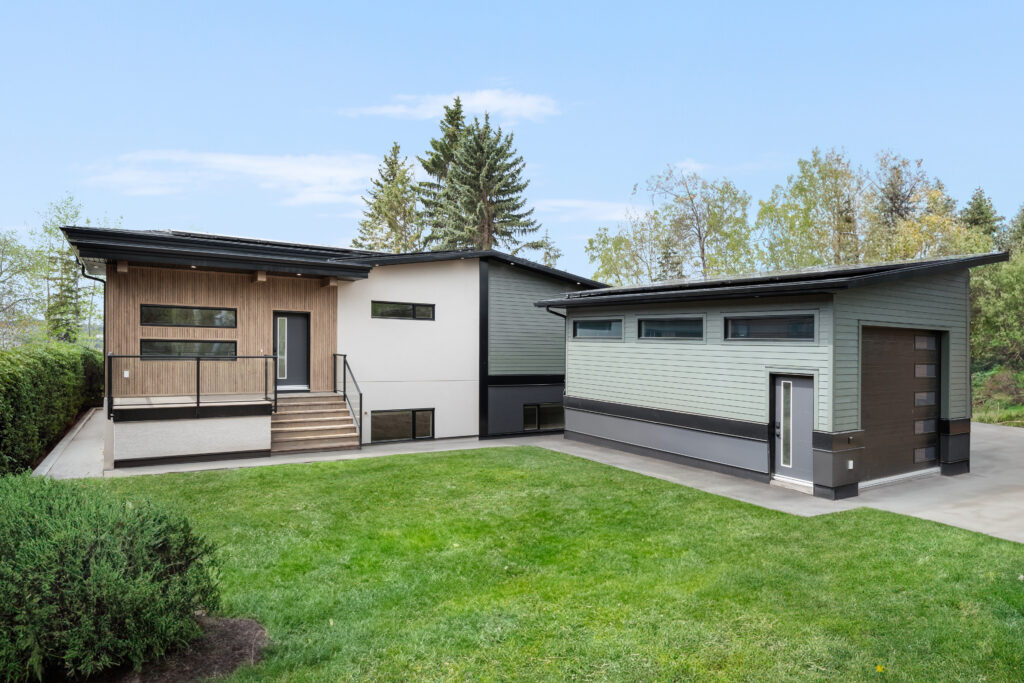

Building a net-zero home is an ambitious goal that combines environmental responsibility with long-term savings. However, the path to a successful project starts with careful budget planning for net-zero home construction. Whether you’re a homeowner, builder, or investor, understanding the unique financial aspects of these energy-efficient homes is essential to avoid costly surprises and to ensure your investment delivers the expected benefits.
This guide covers the key steps in creating a realistic budget, explores common cost drivers, and highlights strategies to keep your project on track. If you’re looking for a detailed breakdown of expenses, you might also find the net-zero home construction cost breakdown helpful for understanding where your money will go.
Understanding the Financial Landscape of Net-Zero Construction
Net-zero homes are designed to produce as much energy as they consume over the course of a year. Achieving this balance requires a combination of advanced building techniques, high-performance materials, and renewable energy systems. These features can lead to higher upfront costs compared to conventional construction, but they also offer significant long-term savings on utility bills and maintenance.
It’s important to recognize that budget planning for net-zero home construction involves more than just tallying up material and labor costs. You’ll need to account for design, engineering, energy modeling, and potential upgrades to meet certification standards. Early planning and a clear understanding of these components will help you avoid budget overruns and make informed decisions throughout the process.
Key Steps in Creating a Realistic Net-Zero Home Budget
Effective financial planning starts with a comprehensive approach. Here are the main steps to ensure your budget aligns with your goals:
- Define Your Priorities: Decide which features are essential for your net-zero home, such as solar panels, triple-pane windows, or advanced insulation. Prioritizing helps allocate funds where they’ll have the most impact.
- Consult with Experts: Engage architects, builders, and energy consultants experienced in net-zero projects. Their expertise can help you set realistic expectations and identify potential cost-saving opportunities.
- Obtain Detailed Estimates: Request itemized quotes for each phase of construction, including site preparation, foundation, envelope, HVAC, and renewable energy systems. This transparency makes it easier to track spending and adjust as needed.
- Plan for Contingencies: Set aside a contingency fund (typically 10–15% of your total budget) for unexpected expenses or design changes.
- Explore Financing and Incentives: Research available loans, grants, and rebates for energy-efficient construction. For more information, see net-zero home financing options explained.
Major Cost Drivers in Net-Zero Projects
Several factors influence the overall cost of a net-zero home. Understanding these drivers is crucial for effective budget planning for net-zero home construction:
- Building Envelope: High-performance insulation, air sealing, and advanced windows are essential for minimizing energy loss. These upgrades can increase initial costs but are critical to achieving net-zero performance.
- Mechanical Systems: Efficient HVAC systems, heat pumps, and energy recovery ventilators are often required. These systems may cost more upfront but offer lower operating expenses over time.
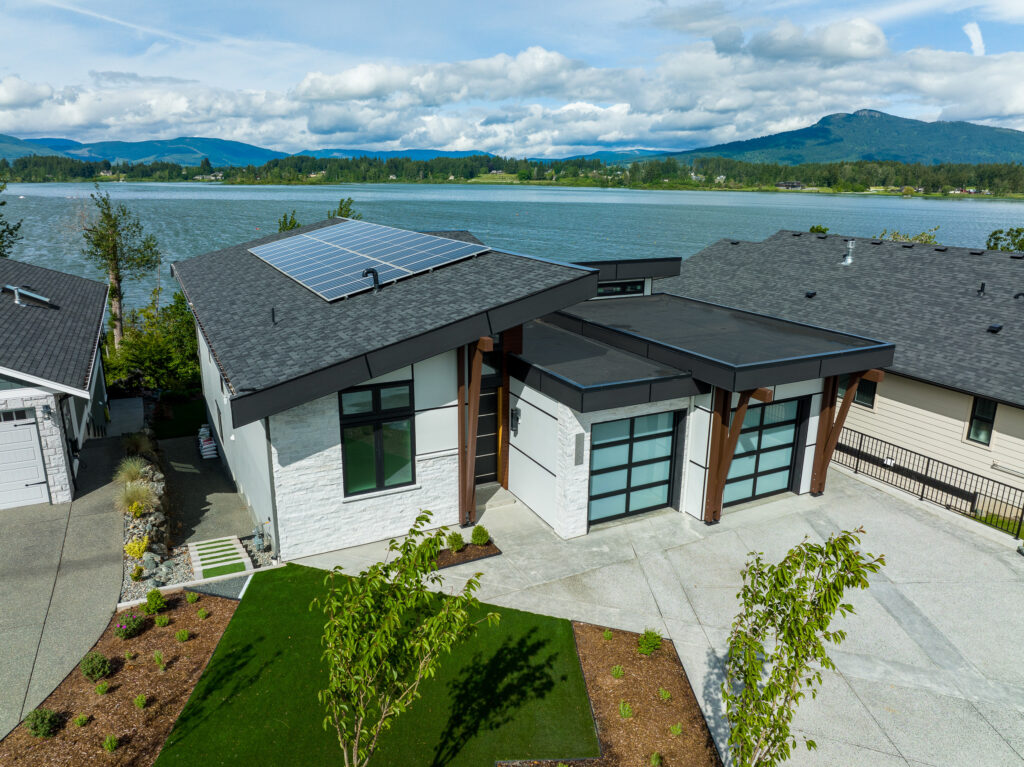
- Renewable Energy: Solar photovoltaic panels or other renewable technologies are a significant investment. Their size and cost depend on your home’s energy needs and local climate.
- Design and Certification: Specialized design work and third-party certifications (such as Passive House or LEED) may add to your budget but can increase resale value and ensure quality.
- Site Conditions: Lot orientation, soil quality, and access to utilities can all affect construction costs.
For a more detailed look at where your money goes, the cost of net-zero home construction resource provides further insights.
Strategies to Optimize Your Net-Zero Home Budget
While net-zero homes can cost more to build, there are several ways to manage expenses without sacrificing performance:
- Value Engineering: Work with your design and construction team to identify cost-effective alternatives that maintain energy performance.
- Phased Upgrades: If your budget is tight, consider designing your home for future upgrades (such as pre-wiring for solar panels) so you can add features as funds allow.
- Bulk Purchasing: Buying materials in bulk or partnering with other projects can reduce costs.
- DIY Where Possible: Some tasks, like landscaping or interior painting, can be completed by homeowners to save on labor.
- Leverage Incentives: Take advantage of government and utility rebates to offset costs. For a comprehensive overview, see this guide to net-zero home incentives.
- Smart Monitoring: Use energy monitoring tools to track usage and identify areas for improvement. Investing in tools like an energy monitor or thermal imaging camera can help you maintain efficiency over time.
For more practical ideas, check out these affordable net-zero home building tips to help you save without compromising quality.
Long-Term Financial Benefits of Net-Zero Homes
Although the initial investment for a net-zero home is often higher, the long-term financial benefits can be substantial. Homeowners typically enjoy:
- Lower Utility Bills: Net-zero homes are designed to offset their energy use, resulting in little to no monthly utility costs.
- Increased Property Value: Energy-efficient homes often command higher resale prices and attract buyers seeking sustainability.
- Reduced Maintenance: High-quality materials and systems tend to last longer and require less upkeep.
- Protection from Energy Price Increases: Generating your own power insulates you from rising energy costs.
If you’re curious about the overall price range for these homes, how much does a net-zero home cost provides a helpful overview of pricing and expectations.
Frequently Asked Questions
What is the average cost difference between a net-zero home and a conventional home?
Net-zero homes typically cost 5–15% more to build than standard homes, depending on location, design, and materials. However, these additional costs are often offset by energy savings and available incentives over time.
Are there financing options specifically for net-zero construction?
Yes, many lenders offer green mortgages or energy-efficient home loans. Additionally, government grants and utility rebates can help reduce upfront expenses. For more details, see net-zero home financing options explained.
How can I ensure my project stays within budget?
Work with experienced professionals, obtain detailed estimates, and set aside a contingency fund. Regularly review expenses and adjust your plan as needed. Using energy monitoring tools and value engineering can also help control costs.
Do net-zero homes require special maintenance?
These homes are generally low-maintenance due to their high-quality materials and systems. However, it’s important to schedule regular inspections for mechanical systems and to keep renewable energy components clean and well-maintained.
Conclusion
Effective budget planning for net-zero home construction is the foundation for a successful, sustainable project. By understanding the unique cost drivers, leveraging incentives, and working with knowledgeable professionals, you can build a home that delivers both environmental and financial rewards. Careful planning ensures your investment pays off for years to come.


