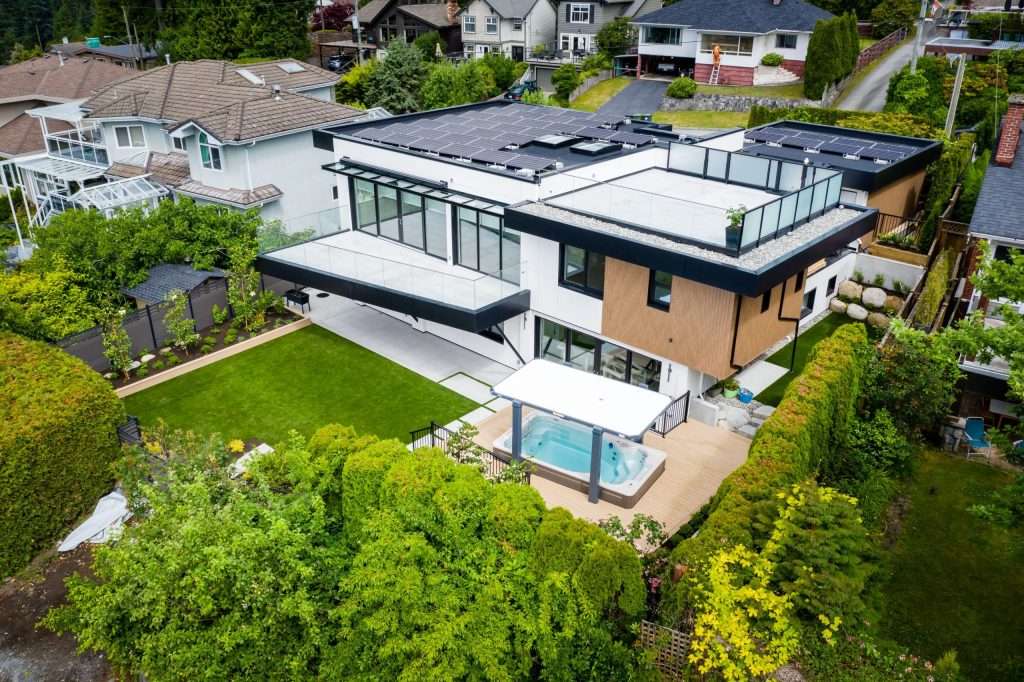

Achieving a truly sustainable home is more attainable than ever, thanks to advances in green building design net-zero homes strategies. Homeowners and builders are increasingly prioritizing energy efficiency, renewable energy integration, and eco-friendly materials to minimize environmental impact and reduce utility costs. Whether you’re planning a new build or retrofitting an existing property, understanding the core principles of sustainable construction is essential for creating a comfortable and resilient living space.
Modern approaches to sustainable home construction focus on reducing energy demand, optimizing building orientation, and leveraging smart technologies. By combining thoughtful design with innovative materials and systems, it’s possible to achieve a home that produces as much energy as it consumes over the course of a year. For a deeper dive into specific aspects like window placement net-zero home design, you can explore further resources tailored to optimizing natural light and heat management.
Core Principles of Sustainable Home Construction
At the heart of any eco-conscious home is a commitment to reducing resource consumption and maximizing efficiency. The following principles guide the design and construction of residences that meet net-zero standards:
- Energy Efficiency: Minimizing energy use through high-performance insulation, air sealing, and efficient appliances.
- Renewable Energy: Incorporating solar panels or other renewable sources to offset energy consumption.
- Water Conservation: Using low-flow fixtures, rainwater harvesting, and drought-resistant landscaping.
- Healthy Indoor Environment: Selecting non-toxic materials and ensuring proper ventilation for improved air quality.
- Resource-Efficient Materials: Choosing recycled, locally sourced, or rapidly renewable building products.
By following these guiding concepts, homeowners can significantly reduce their carbon footprint and utility bills while creating a healthier living space.
Optimizing Orientation and Layout for Maximum Efficiency
Proper orientation and thoughtful layout planning are fundamental to green building design net-zero homes projects. The way a house is positioned on its site affects solar gain, natural lighting, and passive heating or cooling. South-facing windows, for example, can capture winter sunlight, reducing the need for artificial heating. Overhangs and shading devices help prevent overheating in summer.
For more on this topic, see orientation for net-zero homes explained and how strategic positioning can make a significant difference in energy performance. Additionally, layout planning net-zero house design can help you optimize interior spaces for comfort and efficiency.
Envelope and Insulation: The Foundation of Energy Savings
The building envelope—walls, roof, windows, and foundation—serves as the primary barrier between indoor and outdoor environments. A well-insulated, airtight envelope is crucial for minimizing heat loss in winter and heat gain in summer. High-performance windows, advanced framing techniques, and continuous insulation all contribute to superior energy performance.
Thermal imaging cameras can help identify areas of heat loss or air leakage, making it easier to address inefficiencies during construction or renovation. Investing in quality insulation and air sealing pays off with lower energy bills and increased comfort year-round.
Smart Technologies for Monitoring and Control
Integrating smart home technologies is a growing trend in sustainable home design. Energy monitors, programmable thermostats, and automated lighting systems provide real-time feedback and allow homeowners to optimize energy use. These tools make it easier to identify inefficiencies and adjust consumption patterns, ensuring the home stays on track to meet net-zero goals.
For example, energy monitoring devices can track usage by circuit or appliance, helping homeowners pinpoint opportunities for savings. Combined with high-efficiency HVAC systems and smart controls, these technologies deliver both convenience and sustainability.
Material Selection and Indoor Air Quality
Choosing the right building materials is another key aspect of eco-friendly construction. Prioritize products with low embodied energy, such as recycled steel, reclaimed wood, or rapidly renewable resources like bamboo. Locally sourced materials reduce transportation emissions and support regional economies.
Indoor air quality is equally important. Use paints, sealants, and finishes with low or zero volatile organic compounds (VOCs) to minimize harmful emissions. Install mechanical ventilation systems with heat recovery to ensure a constant supply of fresh air without sacrificing energy efficiency.
Renewable Energy Integration for Net-Zero Performance
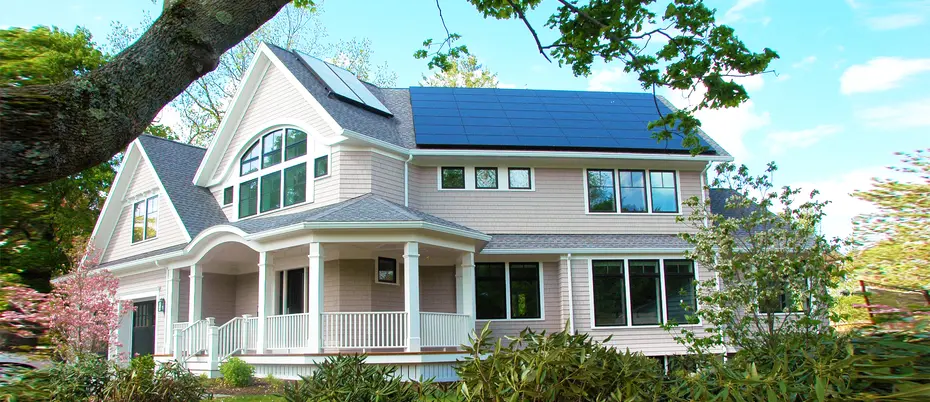
To achieve a home that balances energy use with production, integrating renewable energy systems is essential. Photovoltaic solar panels are the most common solution, but wind turbines or geothermal systems may also be viable depending on location and site conditions. Battery storage can further enhance self-sufficiency by storing excess energy for use during peak demand or outages.
It’s important to size renewable systems based on projected energy needs, which can be estimated using energy modeling software or by consulting with experienced professionals. For more detailed strategies, you may want to explore net-zero home design strategies that address both new builds and retrofits.
Water Conservation and Sustainable Landscaping
Reducing water use is another pillar of eco-friendly home design. Install low-flow toilets, faucets, and showerheads to cut indoor consumption. Outdoors, consider drought-tolerant plants, drip irrigation, and rainwater harvesting systems to minimize reliance on municipal water supplies. Permeable paving and rain gardens help manage stormwater and reduce runoff.
These measures not only conserve resources but also contribute to lower operating costs and a more resilient property in the face of changing climate conditions.
Designing for Comfort, Health, and Resilience
Beyond energy and water savings, sustainable homes are designed for long-term comfort and well-being. Ample daylight, good acoustics, and thermal comfort all contribute to a pleasant living environment. Durable materials and thoughtful detailing reduce maintenance needs and extend the lifespan of the home.
Resilience is also a growing concern. Features like backup power, flood-resistant construction, and fire-safe materials can help protect your investment and provide peace of mind in the face of extreme weather events.
Learning from Real-World Examples and Resources
Many successful projects demonstrate that net-zero living is achievable in a wide range of climates and budgets. Case studies and expert insights can provide valuable lessons for your own project. For a comprehensive overview of the concepts and benefits, see this in-depth guide to understanding net-zero homes and how they’re shaping the future of residential construction.
Architectural innovation also plays a role in blending aesthetics with performance. To see how design and technology intersect, visit architectural design net-zero homes for inspiration and practical advice.
Frequently Asked Questions
What makes a home truly net-zero?
A net-zero residence is designed and built to produce as much energy as it consumes over the course of a year, typically through a combination of high efficiency and on-site renewable energy generation. This balance is achieved by minimizing energy demand and offsetting usage with solar panels or other renewables.
Are net-zero homes more expensive to build?
While upfront costs can be higher due to advanced materials and systems, the long-term savings on energy bills and maintenance often offset the initial investment. Incentives, rebates, and falling prices for technologies like solar panels are making these homes increasingly affordable.
Can existing homes be retrofitted to net-zero standards?
Yes, many existing properties can be upgraded with better insulation, efficient windows, air sealing, and renewable energy systems. The process may be more complex than new construction, but significant improvements in performance and comfort are possible with the right approach.