
As the demand for sustainable living grows, architectural design net-zero homes has become a leading topic in both the construction and design industries. Homeowners and professionals alike are seeking ways to combine beautiful, functional spaces with advanced technologies that minimize energy use and environmental impact. This article explores how innovative design principles, modern materials, and smart technology come together to create homes that are as visually appealing as they are energy efficient.
Integrating style with sustainability requires a thoughtful approach. From site orientation to material selection, every decision impacts both the look and performance of a net-zero residence. If you’re interested in the building blocks of energy-efficient construction, you might also want to explore energy efficient materials net-zero homes for a deeper dive into material choices that support these goals.
Principles of Modern Net-Zero Home Architecture
Designing a home that produces as much energy as it consumes requires a holistic approach. The process begins with careful planning and extends through every phase of construction. Here are some core principles that guide the creation of these high-performance homes:
- Passive solar orientation: Positioning the building to maximize sunlight in winter and minimize heat gain in summer.
- High-performance envelope: Using advanced insulation, airtight construction, and high-quality windows to reduce energy loss.
- Efficient systems: Integrating heating, cooling, and ventilation systems that use minimal energy while maintaining comfort.
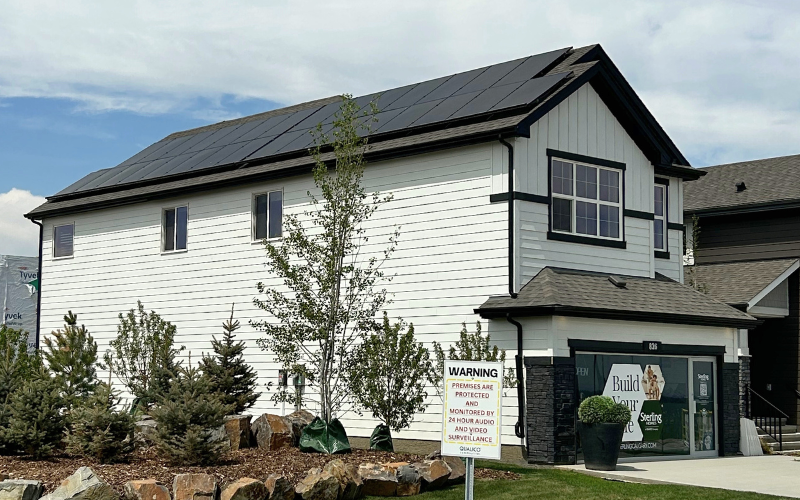
- On-site renewable energy: Incorporating solar panels or other renewable sources to offset energy use.
For those interested in the fundamentals of passive strategies, passive design net-zero home basics offers a comprehensive overview of harnessing natural elements in residential construction.
Balancing Visual Appeal and Energy Performance
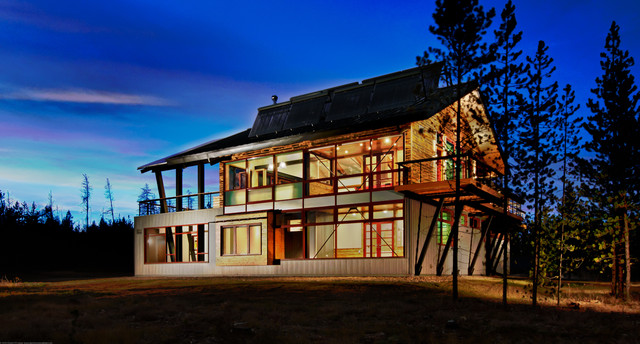
One of the most exciting aspects of architectural design for net-zero homes is the opportunity to blend aesthetics with advanced building science. Modern sustainable homes are no longer limited to utilitarian forms; instead, they showcase a diverse range of architectural styles, from sleek contemporary to warm, traditional designs.
Key strategies for achieving this balance include:
- Material selection: Choosing finishes and cladding that are both attractive and high-performing, such as fiber cement, sustainable wood, or recycled metal.
- Window placement: Designing window layouts that provide natural light and views while minimizing heat loss or gain.
- Open floor plans: Creating flexible, airy interiors that facilitate natural ventilation and daylighting.
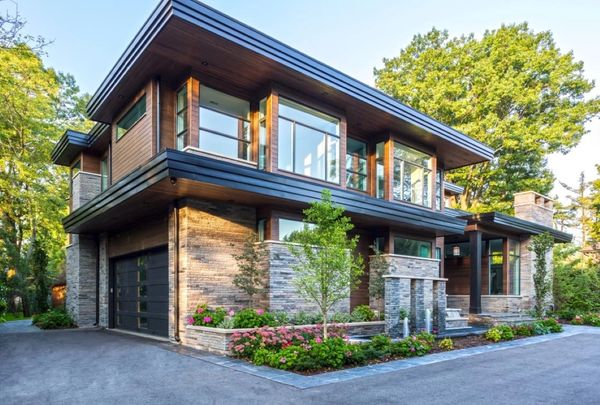
- Integrated technology: Concealing solar panels, battery storage, and mechanical systems within the architecture for a seamless look.
Integrating Technology in Sustainable Home Design
Advanced technology is at the heart of today’s net-zero home design. Smart systems not only improve energy efficiency but also enhance comfort and convenience. Here are some of the most impactful innovations:
- Smart energy monitors: Devices that track real-time energy consumption, helping homeowners identify savings opportunities.
- Thermal imaging: Tools that reveal hidden air leaks or insulation gaps, allowing for targeted improvements.
- Automated shading: Motorized blinds and smart glass that adjust to sunlight, reducing cooling loads.
- High-efficiency HVAC: Heat pumps and energy recovery ventilators that maintain indoor air quality with minimal energy use.
For a step-by-step breakdown of the design process, the comprehensive guide to designing a net-zero home offers practical advice for homeowners and professionals alike.
Envelope, Insulation, and Airtightness: The Foundation of Efficiency
The building envelope is a critical component of any energy-efficient home. High levels of insulation and airtight construction prevent unwanted heat transfer and air infiltration, which are major sources of energy loss.
Key considerations include:
- Continuous insulation: Eliminating thermal bridges by wrapping the home in a continuous layer of insulation.
- High-performance windows and doors: Using triple glazing and insulated frames to minimize heat flow.
- Airtight detailing: Careful sealing of joints, penetrations, and connections to achieve low air leakage rates.
For more on this topic, see airtight building net-zero construction and insulation requirements net-zero homes for detailed strategies and product recommendations.
Energy Modeling and Performance Verification
Before construction begins, energy modeling plays a vital role in predicting how a home will perform. By simulating different design options, architects and engineers can optimize the building’s orientation, insulation, window placement, and mechanical systems for maximum efficiency.
After completion, performance verification—using blower door tests, thermal imaging, and energy monitoring—ensures the home meets its net-zero targets. To learn more about this process, see energy modeling net-zero homes for insights into how modeling supports both design and certification.
Frequently Asked Questions
What is a net-zero home?
A net-zero home is designed and built to produce as much energy as it consumes over the course of a year. This is achieved through a combination of energy-efficient design, high-performance building materials, and on-site renewable energy generation, such as solar panels.
How does architectural design impact energy efficiency?
The layout, orientation, and envelope of a home all play major roles in its energy performance. Thoughtful design can maximize natural light, improve insulation, and reduce the need for mechanical heating and cooling, making it easier to achieve net-zero status.
Are net-zero homes more expensive to build?
While the upfront costs for high-performance materials and systems can be higher, net-zero homes typically offer significant long-term savings on energy bills. Incentives and rebates for energy-efficient construction can also help offset initial expenses.