
The future of net-zero homes is rapidly evolving as technology, policy, and consumer demand converge to reshape how we design, build, and live in residential spaces. As climate concerns intensify and energy costs fluctuate, homeowners and builders alike are seeking smarter, more sustainable solutions. This article explores the most significant trends and innovations shaping the next generation of ultra-efficient housing, from advanced materials to smart monitoring and beyond.
Understanding what’s ahead for net-zero construction is essential for anyone interested in sustainable living, whether you’re planning to build, retrofit, or simply want to reduce your environmental impact. As we look at the coming decade, it’s clear that the movement toward energy self-sufficiency and carbon neutrality is gaining momentum, with new technologies and strategies making it more accessible than ever.
For a deeper dive into how these homes contribute to urban sustainability, check out our guide on sustainable urban housing net-zero and its impact on future city living.
Emerging Technologies Driving Net-Zero Home Design
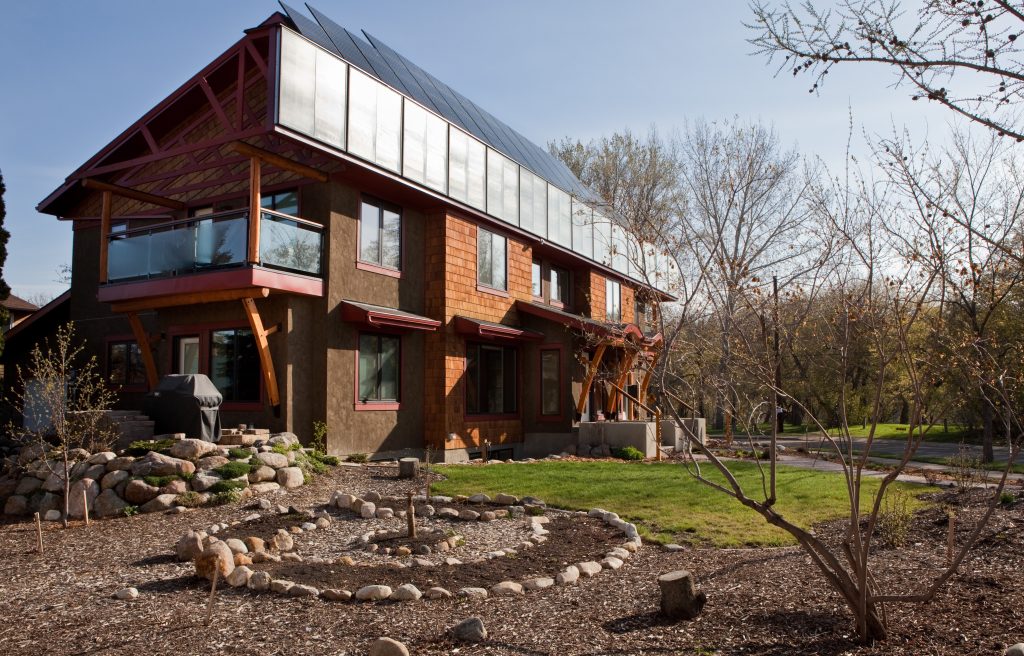
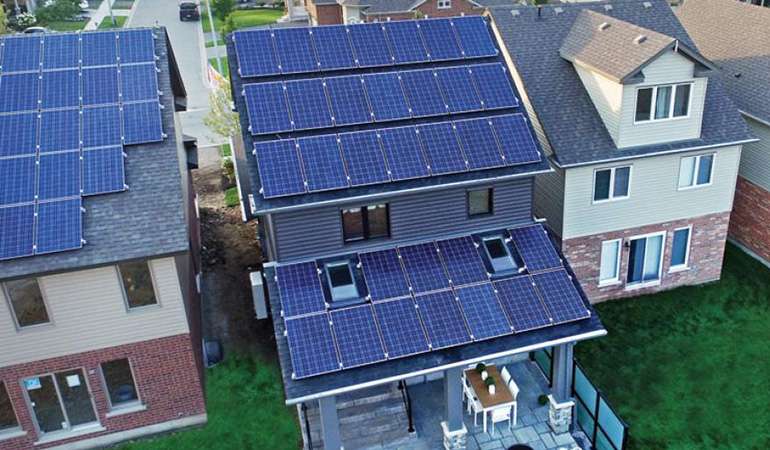
One of the most exciting aspects of the future of net-zero homes is the integration of cutting-edge technologies that make energy efficiency easier and more effective. Builders are increasingly turning to advanced insulation materials, high-performance windows, and airtight construction methods to minimize energy loss. These improvements, combined with renewable energy systems like solar panels and geothermal heat pumps, are helping homes generate as much energy as they consume over the course of a year.
Smart home systems are also playing a pivotal role. Energy monitoring devices, such as the Emporia Vue 3, allow homeowners to track real-time usage, identify inefficiencies, and optimize consumption. Meanwhile, thermal imaging cameras help pinpoint air leaks and insulation gaps, making it easier to achieve true net-zero performance.
Policy Shifts and Market Drivers Accelerating Adoption
Government policies and incentives are crucial in accelerating the adoption of net-zero standards. Many regions are updating building codes to require higher energy performance, and some are even mandating net-zero-ready construction for new homes within the next decade. Rebates, tax credits, and low-interest financing for energy-efficient upgrades are making it easier for homeowners to invest in sustainable features.
Market demand is also shifting. Homebuyers are increasingly prioritizing energy efficiency, indoor air quality, and long-term cost savings. As awareness grows, builders are responding with more options and competitive pricing. The result is a virtuous cycle where innovation and affordability reinforce each other, making net-zero living more attainable for a wider audience.
For those interested in the broader environmental impact, our analysis on carbon footprint net-zero homes offers insights into how these homes contribute to emissions reduction and climate goals.
Smart Monitoring and Data-Driven Efficiency
Another major trend shaping the future of net-zero homes is the rise of smart monitoring and automation. Home energy management systems now integrate with everything from HVAC controls to lighting and appliances, allowing for fine-tuned optimization based on real-time data. These systems can automatically adjust settings to maximize comfort and efficiency, or alert homeowners to unusual usage patterns that may indicate a problem.
Energy monitoring tools, such as those mentioned earlier, are becoming more user-friendly and affordable. By providing actionable insights, they empower residents to make informed decisions and maintain net-zero performance year-round. This data-driven approach is essential for achieving and verifying true energy balance, especially as homes become more complex and interconnected.
Materials Innovation and Circular Design
Materials science is another area where rapid progress is influencing net-zero construction. Builders are adopting new forms of insulation, recycled and renewable materials, and low-carbon concrete alternatives. These innovations not only improve energy performance but also reduce the environmental footprint of the construction process itself.
Circular design principles are gaining traction, emphasizing durability, adaptability, and end-of-life recyclability. This holistic approach ensures that homes remain sustainable throughout their lifecycle, from initial build to eventual renovation or deconstruction. As more products and systems are designed with reuse and recycling in mind, the environmental benefits of net-zero homes will only increase.
To learn more about how daily habits can support sustainability in these homes, visit our article on sustainable living net-zero homes.
Health, Comfort, and Lifestyle Benefits
While energy savings and environmental impact are central, net-zero homes also offer tangible benefits for health and comfort. Superior insulation, advanced ventilation, and high-quality building materials contribute to better indoor air quality and more consistent temperatures. These features can reduce allergens, mold, and noise, creating a healthier and more pleasant living environment.
Many residents report that living in these homes encourages more mindful energy use and a stronger connection to their environment. For a closer look at how these homes affect daily life, see our discussion on the lifestyle impact net-zero housing.
Challenges and Opportunities Ahead
Despite the progress, several challenges remain on the path to widespread net-zero adoption. Upfront costs, while decreasing, can still be a barrier for some homeowners. Skilled labor shortages and supply chain issues may slow construction in certain markets. Education and awareness are also crucial—many people are still unfamiliar with what net-zero means or how to achieve it.
However, these challenges are matched by significant opportunities. As more builders gain experience and economies of scale improve, costs are expected to continue falling. New financing models and partnerships are emerging to help make net-zero accessible to a broader population. And as the benefits become more widely recognized, demand is likely to accelerate even further.
For a comprehensive overview of how net-zero construction addresses climate concerns, explore our feature on climate change and net-zero construction.
Global Perspectives and Regional Differences
The evolution of net-zero housing is not uniform across the globe. In some regions, supportive policies and abundant renewable resources are driving rapid adoption. In others, unique climate challenges or economic factors require tailored solutions. For example, cold climates may prioritize super-insulation and heat recovery ventilation, while sunny regions focus on maximizing solar energy production.
International collaboration and knowledge sharing are helping to spread best practices and accelerate innovation. As more countries commit to ambitious climate targets, the lessons learned from early adopters will inform future standards and strategies worldwide.
For a detailed exploration of net-zero home design and its future, see Building for the Future: Exploring and Understanding the Net-Zero Home.
Frequently Asked Questions
What makes a home truly net-zero?
A net-zero home is designed and built to produce as much renewable energy as it consumes over the course of a year. This is achieved through a combination of high-efficiency construction, advanced insulation, airtightness, and on-site renewable energy generation, typically solar panels. Smart monitoring and energy management systems help maintain this balance.
Are net-zero homes more expensive to build?
While the initial construction cost of a net-zero home can be higher than a conventional home, prices are decreasing as technology advances and demand grows. Many homeowners find that energy savings and available incentives offset the upfront investment over time. Long-term, these homes can offer significant cost savings and increased property value.
How do net-zero homes impact daily living?
Living in a net-zero home often means enjoying better indoor air quality, consistent temperatures, and lower utility bills. Residents may become more aware of their energy use and adopt habits that support sustainability. Modern net-zero homes are designed for comfort and convenience, with smart systems that automate many efficiency measures.