
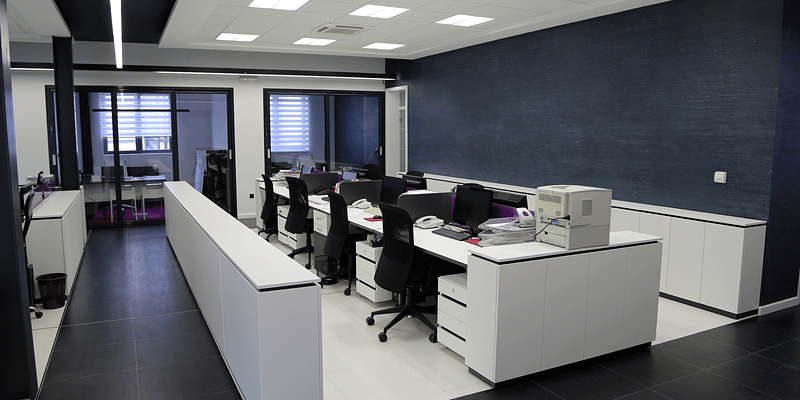

Creating a workplace that truly supports employee performance requires more than just attractive furniture or a fresh coat of paint. The way an office is built out and designed can have a measurable impact on how people work, collaborate, and feel throughout the day. For organizations planning a new space or renovating an existing one, understanding the principles of office buildout employee productivity design is essential for achieving both short-term efficiency and long-term satisfaction.
This article explores proven strategies and considerations for constructing a workspace that boosts productivity, supports well-being, and adapts to the evolving needs of modern teams. From layout choices to lighting, acoustics, and wellness features, we’ll cover the elements that make a real difference in day-to-day operations.
For those interested in the environmental aspect of workspace planning, you may also want to review our resource on office buildout green building standards to ensure your project meets sustainability goals while enhancing productivity.
Key Principles of Productive Office Buildouts
The foundation of any effective office renovation or new build is a thoughtful approach to design. Successful projects balance aesthetics, functionality, and flexibility. Here are some core principles to keep in mind:
- Flexibility: Spaces should accommodate different work styles, from focused individual tasks to collaborative group sessions.
- Wellness: Incorporating elements that support physical and mental health can reduce absenteeism and improve morale.
- Efficiency: Smart layouts minimize wasted movement and make it easy for employees to access resources and colleagues.
- Technology Integration: Modern offices must support seamless connectivity and the latest tools for communication and productivity.

Space Planning for Enhanced Employee Output
One of the most critical aspects of office buildout employee productivity design is space planning. The arrangement of desks, meeting rooms, and shared areas can either support or hinder the way teams function. Open-plan layouts remain popular, but many organizations are now opting for a hybrid approach that includes private zones, quiet rooms, and flexible collaboration spaces.
Consider the following when planning your office layout:
- Zones for Different Activities: Designate areas for focused work, informal meetings, and social interaction.
- Proximity: Place departments or teams that work closely together near each other to streamline communication.
- Circulation Paths: Ensure there are clear, unobstructed walkways to reduce distractions and improve safety.
- Adaptability: Use modular furniture and movable partitions to reconfigure spaces as needs change.
For more specialized advice on creating effective meeting environments, see our office buildout conference room design guide.
Lighting, Acoustics, and Air Quality: The Unsung Heroes
While layout is important, environmental factors play a significant role in employee comfort and efficiency. Proper lighting, sound control, and air quality are often overlooked but can have a dramatic impact on productivity.
- Lighting: Maximize natural light where possible, and use adjustable LED fixtures to reduce eye strain and fatigue.
- Acoustics: Incorporate sound-absorbing materials and quiet zones to minimize distractions from noise.
- Air Quality: Invest in high-quality HVAC systems and consider adding plants to improve oxygen levels and reduce pollutants.
Integrating biophilic design elements—such as greenery and natural materials—can further enhance well-being and focus.
Wellness and Comfort Features in Modern Workspaces
Employee wellness is increasingly recognized as a driver of productivity. A well-designed office can support healthy habits and reduce stress. Consider these features:
- Ergonomic Furniture: Adjustable chairs and desks help prevent discomfort and injury.
- Breakout Spaces: Areas for relaxation or informal gatherings encourage movement and social connection.
- Access to Nature: Windows with views, indoor plants, and outdoor spaces can boost mood and creativity.
- Healthy Amenities: Onsite fitness rooms, healthy snack options, and hydration stations promote overall well-being.
To dive deeper into wellness-focused design, explore our article on office buildout wellness design features.
Integrating Technology for Seamless Workflows
Technology is at the heart of today’s productive offices. A successful office buildout employee productivity design strategy ensures that infrastructure supports current and future needs. Key considerations include:
- Robust Connectivity: High-speed internet and reliable Wi-Fi are essential for uninterrupted work.
- Smart Meeting Rooms: Equip spaces with video conferencing tools, wireless displays, and easy-to-use controls.
- Power Access: Provide ample outlets and charging stations throughout the office.
- Security: Implement secure access systems and data protection measures.
For a comprehensive overview of the buildout process, including timelines and budgeting, refer to this ultimate guide to building out office space.
Understanding the Value of Thoughtful Office Design
Investing in a workspace that prioritizes employee productivity pays dividends in engagement, retention, and business outcomes. By focusing on the principles outlined above, organizations can create environments where people feel empowered to do their best work.
If you’re new to the concept of workplace buildouts or want to understand the terminology, our article on office buildout meaning provides a helpful introduction.
Frequently Asked Questions
What are the most important factors in designing a productive office?
The most critical elements include a flexible layout, access to natural light, effective acoustics, good air quality, ergonomic furniture, and integrated technology. Each of these contributes to employee comfort, focus, and collaboration.
How does biophilic design impact employee performance?
Incorporating natural elements such as plants, wood, and natural light has been shown to reduce stress, boost creativity, and improve overall well-being. These factors can lead to higher productivity and job satisfaction.
Is it worth investing in wellness features for the office?
Yes, wellness features like fitness rooms, healthy snacks, and relaxation areas can reduce absenteeism, increase engagement, and support long-term employee health, all of which benefit organizational performance.


