
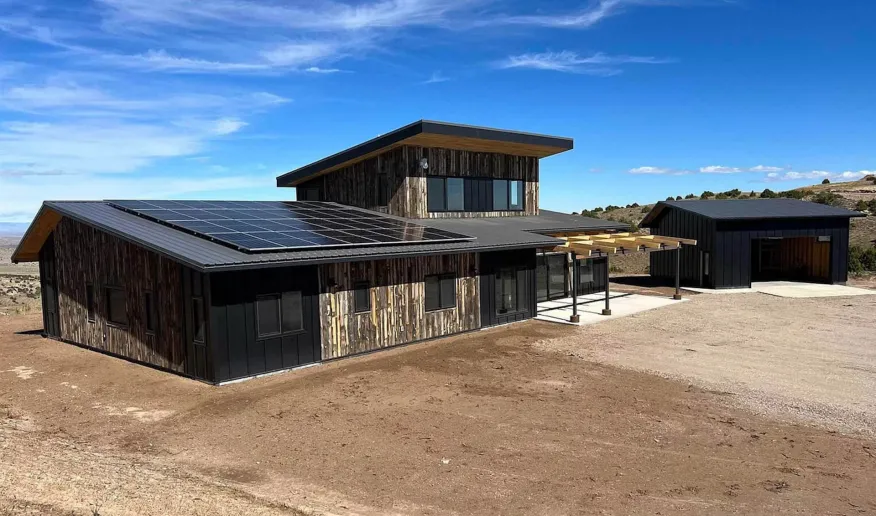

Adopting a green living net-zero household guide approach is more than a trend—it’s a practical way to reduce energy bills, shrink your carbon footprint, and contribute to a healthier planet. Whether you’re just starting to explore sustainable living or you’re ready to take your home to the next level, there are actionable steps you can take every day. This article breaks down the essentials of creating a net-zero home, offering realistic tips that fit into busy lives and a variety of budgets.
From energy efficiency upgrades to mindful consumption, the journey toward a net-zero lifestyle is about making informed choices that add up over time. If you’re curious about the broader impact of these efforts, you might also find value in exploring carbon footprint net-zero homes for a deeper dive into how individual actions contribute to global change.
Understanding the Net-Zero Home Concept
At its core, a net-zero home is designed to produce as much energy as it consumes over the course of a year. This balance is achieved through a combination of energy efficiency measures, renewable energy generation, and thoughtful design. The goal is to minimize reliance on fossil fuels and reduce greenhouse gas emissions, creating a comfortable and cost-effective living environment.
Net-zero living isn’t just about installing solar panels. It’s a holistic approach that includes everything from insulation and air sealing to smart appliances and behavioral changes. For a comprehensive look at how communities are embracing these principles, see net-zero community development explained.
Energy Efficiency: The Foundation of a Sustainable Home
Before adding renewable energy sources, it’s essential to reduce your home’s energy demand. Here’s how you can start:
- Upgrade insulation: Proper insulation in the attic, walls, and floors helps maintain indoor temperatures, reducing the need for heating and cooling.
- Seal air leaks: Use caulk and weatherstripping around doors, windows, and other openings to prevent drafts and energy loss.
- Install energy-efficient windows: Double or triple-pane windows with low-emissivity coatings keep heat in during winter and out during summer.
- Switch to LED lighting: LEDs use up to 80% less energy than traditional bulbs and last much longer.
- Choose ENERGY STAR appliances: These certified products use less energy and water, saving money over time.
For a detailed walkthrough of making your home more efficient, the step-by-step guide to achieving net-zero at home offers practical advice and checklists.
Generating Renewable Energy at Home
Once your home is as efficient as possible, the next step is to generate clean energy. Solar panels are the most common solution for homeowners, but wind and geothermal systems are also viable in some regions.
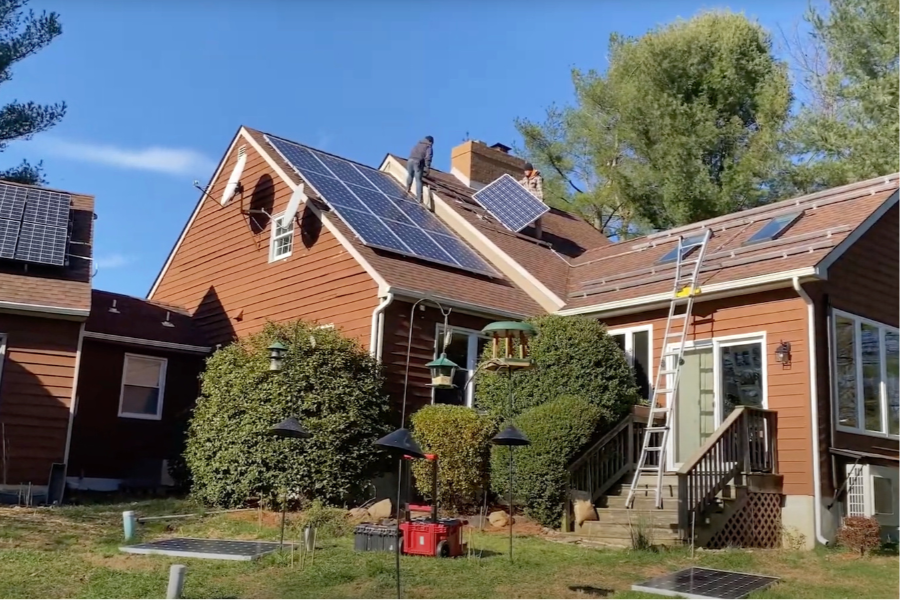
When considering solar, evaluate your roof’s orientation, shading, and available space. Many homeowners start with a smaller array and expand as their budget allows. Battery storage systems can help you use solar power even when the sun isn’t shining, further reducing reliance on the grid.
Monitoring your energy production and usage is key. Smart energy monitors provide real-time data, helping you identify patterns and opportunities for further savings.
Water Conservation and Sustainable Practices
Net-zero living extends beyond energy. Water use is another critical area where small changes can make a big difference:
- Install low-flow showerheads and faucets to reduce water consumption without sacrificing performance.
- Fix leaks promptly—dripping faucets and running toilets waste significant amounts of water over time.
- Collect rainwater for irrigation and landscaping needs.
- Choose native plants for your garden, which require less water and maintenance.
These steps not only conserve resources but also lower utility bills and support local ecosystems.
Smart Technology for Net-Zero Households
Modern technology makes it easier than ever to manage and optimize your home’s performance. Consider integrating the following:
- Smart thermostats that learn your schedule and adjust heating/cooling automatically.
- Home energy monitors to track real-time usage and identify waste.
- Thermal imaging cameras to spot insulation gaps and air leaks.
- Automated lighting and appliance controls for convenience and efficiency.
These tools empower you to make data-driven decisions and fine-tune your household for optimal sustainability.
Everyday Habits for Sustainable Living
Even the most advanced technology can’t replace the impact of daily choices. Here are some practical habits to adopt:
- Turn off lights and electronics when not in use.
- Wash clothes in cold water and air-dry when possible.
- Unplug chargers and devices to eliminate “phantom” energy use.
- Reduce, reuse, and recycle to minimize waste.
- Buy local and seasonal foods to lower transportation emissions.
These actions, while simple, are foundational to a low-impact lifestyle and complement larger investments in your home.
Community and Lifestyle Benefits
Transitioning to a net-zero household isn’t just about personal gain. It’s also about contributing to a broader movement toward sustainability. Many neighborhoods are now designed with shared green spaces, renewable energy systems, and community gardens, fostering a sense of connection and shared purpose. For more on how these trends are shaping the future, see sustainable urban housing net-zero.
Living in a net-zero home can also improve indoor air quality, comfort, and even property value. As more people adopt these practices, the collective impact grows, helping to address challenges like climate change and net-zero construction on a larger scale.
Overcoming Common Challenges
While the benefits are clear, there are hurdles to achieving net-zero status. Upfront costs, lack of information, and local regulations can be barriers. However, incentives, rebates, and financing options are increasingly available to make upgrades more accessible. Start with small, manageable projects and build momentum as you see results.
Connecting with local experts, online communities, and resources can provide guidance and encouragement along the way. For a look at how lifestyle changes intersect with responsibility and comfort, check out lifestyle impact net-zero housing.
Frequently Asked Questions
What does it mean for a home to be net-zero?
A net-zero home is one that produces as much renewable energy as it consumes annually. This is achieved through a combination of energy efficiency measures and on-site renewable energy generation, resulting in a balanced or “zeroed out” energy footprint.
How much does it cost to make a house net-zero?
The cost varies depending on the size of the home, existing infrastructure, and the upgrades needed. While initial investments in insulation, windows, and solar panels can be significant, many homeowners find that energy savings and available incentives help offset these expenses over time.
Can renters or apartment dwellers follow net-zero principles?
Yes, even if you don’t own your home, you can adopt many net-zero strategies. Focus on energy-efficient lighting, smart power strips, water conservation, and mindful consumption. Advocating for building-wide improvements can also make a difference.
Conclusion
Embracing a net-zero lifestyle is a journey, not a one-time project. By combining smart upgrades, renewable energy, and everyday habits, anyone can move closer to a truly sustainable home. The key is to start where you are, make informed choices, and celebrate progress along the way. As more households adopt these practices, the collective impact will help shape a greener, more resilient future for all.


