

Adopting sustainable living net-zero homes is more than just a trend—it’s a practical approach to reducing your environmental impact and creating a healthier, more efficient household. Net-zero homes are designed to produce as much energy as they consume, but the real difference comes from the daily choices made by those who live in them. By building mindful routines and making conscious decisions, residents can maximize the benefits of these innovative dwellings.
This guide explores actionable habits and strategies for thriving in a net-zero environment. Whether you’re new to this lifestyle or looking to refine your approach, you’ll find practical tips for energy use, water conservation, waste reduction, and more. For a deeper look at how eco-friendly homes influence comfort and responsibility, see the lifestyle impact net-zero housing article.
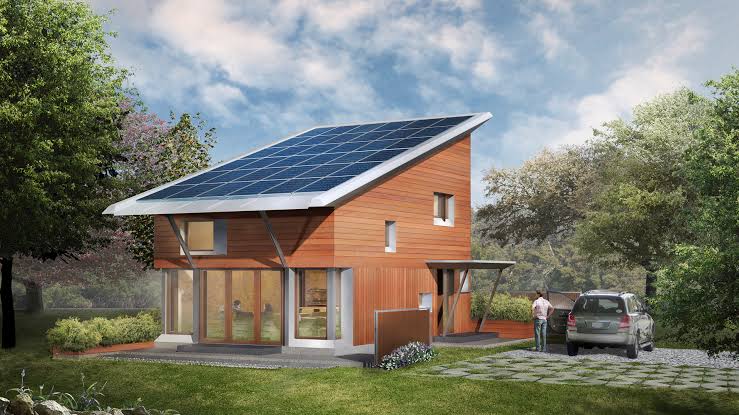
Understanding the Foundations of Net-Zero Home Habits
Living in a home that balances energy consumption and production requires more than just advanced technology. It calls for a shift in everyday behaviors. The core principles include:
- Energy awareness: Monitoring and adjusting usage patterns to match renewable generation.
- Resource conservation: Using water, electricity, and materials efficiently.
- Waste minimization: Reducing, reusing, and recycling wherever possible.
- Smart technology integration: Leveraging automation and data to optimize comfort and efficiency.
Understanding these foundations helps residents make informed decisions that support the home’s net-zero goals. For more on how technology interconnects with eco-friendly homes, explore IoT in net-zero homes explained.
Daily Energy Management in Eco-Friendly Homes
One of the most impactful habits in sustainable living net-zero homes is active energy management. While solar panels and high-performance insulation provide a strong foundation, daily routines can make or break true net-zero performance.
- Monitor real-time usage: Use smart meters and energy dashboards to track consumption. Tools like the Emporia Vue 3 can help you identify which appliances use the most power and when.
- Shift high-energy tasks: Run dishwashers, laundry, and charging stations during peak solar production hours to maximize self-consumption of renewable energy.
- Unplug and power down: Turn off devices and lights when not in use. Even standby power can add up over time.
- Optimize HVAC settings: Program thermostats for comfort and efficiency, and use ceiling fans to reduce reliance on heating and cooling systems.
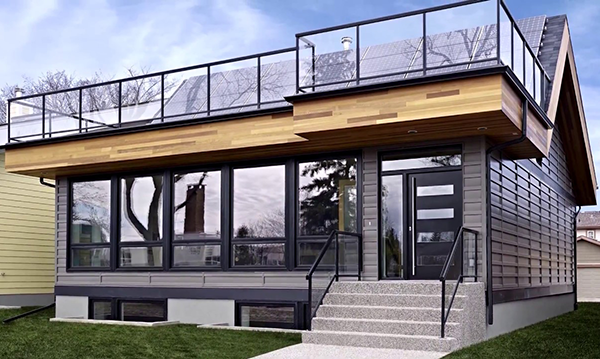
For a more detailed look at monitoring your home’s energy use, visit real time energy tracking homes.
Water Conservation Strategies for Net-Zero Households
Reducing water waste is crucial for maintaining the efficiency of a green home. Consider these daily practices:
- Install low-flow fixtures: Faucets, showerheads, and toilets designed for efficiency can significantly cut water usage.
- Fix leaks promptly: Even minor drips add up over time and can undermine conservation efforts.
- Collect rainwater: Use barrels or integrated systems for garden irrigation and outdoor cleaning.
- Adopt mindful habits: Turn off the tap while brushing teeth, take shorter showers, and only run full loads in dishwashers and washing machines.
These steps not only reduce your environmental impact but also support the overall performance of your home.
Waste Reduction and Responsible Consumption
A net-zero lifestyle extends beyond energy and water. Reducing waste and making responsible purchasing decisions are equally important.
- Choose reusable products: Opt for cloth bags, glass containers, and refillable bottles to minimize single-use plastics.
- Compost organic waste: Divert food scraps and yard trimmings from landfills to enrich your garden soil.
- Recycle properly: Sort materials according to local guidelines and clean items before recycling.
- Buy in bulk: Reduce packaging waste by purchasing larger quantities of staples.
Thoughtful consumption habits help close the loop on sustainability, making your household more resilient and environmentally friendly.
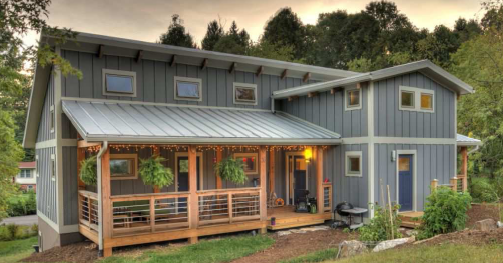
Smart Technology and Automation for Sustainable Living
Integrating smart devices can streamline daily routines and help maintain net-zero performance. Consider these approaches:
- Automated lighting: Use motion sensors and timers to ensure lights are only on when needed.
- Smart thermostats: Adjust heating and cooling based on occupancy and weather patterns.
- Energy-efficient appliances: Upgrade to models that use less power and water, and schedule their operation during optimal times.
- Remote monitoring: Track and control systems from your smartphone, making it easier to respond to changes in real time.
For more on how intelligent devices contribute to efficient homes, see smart appliances net-zero construction and AI energy optimization net-zero homes.
Building a Community of Responsible Residents
Sustainable living thrives when it becomes a shared commitment. Encourage family members and neighbors to adopt eco-friendly habits by:
- Sharing knowledge: Host workshops or informal discussions about best practices.
- Participating in local initiatives: Join community gardens, recycling drives, or energy challenges.
- Supporting green businesses: Choose local suppliers and services that align with your values.
Collective action amplifies the positive impact of individual efforts, creating a culture of sustainability that extends beyond your home.
Getting Started: Practical Steps for New Residents
If you’re moving into a net-zero property or looking to upgrade your current home, start with these steps:
- Assess your habits: Track your current energy and water use to identify areas for improvement.
- Set achievable goals: Focus on small, manageable changes that add up over time.
- Educate yourself: Read guides like how to build a net-zero home to understand the principles behind your living space.
- Invest in monitoring tools: Devices like energy monitors and thermal cameras can help you pinpoint inefficiencies and track progress.
By taking these initial steps, you’ll lay the groundwork for a more sustainable, comfortable, and cost-effective lifestyle.
FAQ: Sustainable Habits in Net-Zero Homes
What are the most effective daily habits for reducing energy use in a net-zero home?
Focus on using appliances during peak renewable generation hours, turning off unused electronics, and optimizing thermostat settings. Monitoring usage with smart devices can also help identify areas for further savings.
How can I make my water use more efficient?
Install low-flow fixtures, fix leaks promptly, and adopt mindful routines like shorter showers and running full loads in appliances. Collecting rainwater for outdoor use also supports conservation.
Do I need advanced technology to live sustainably in a net-zero home?
While smart devices and energy monitors make it easier to track and optimize usage, the most important factor is consistent, mindful habits. Simple actions—like unplugging devices and reducing waste—are just as crucial as high-tech solutions.

