
Understanding the difference between air filtration and ventilation is essential for anyone looking to improve indoor air quality, whether at home or in a commercial setting. Both play crucial roles, but they serve different purposes and use distinct technologies. This guide provides a clear breakdown of how each system works, their benefits, and how to choose the right solution for your needs.
Many homeowners and building managers wonder whether they need to focus on removing airborne particles or simply increasing the flow of fresh air. The answer often depends on your specific air quality concerns, the design of your space, and your overall health goals. By the end of this article, you’ll have a solid grasp of how these systems complement each other and how to make informed decisions about your indoor environment.
For those interested in related home improvement topics, you might also find valuable insights in our kitchen remodeling visual balance tips article, which explores design strategies for harmonious interiors.
What Is Air Filtration?
Air filtration refers to the process of removing particles, allergens, and contaminants from the air using specialized filters. These filters are commonly found in HVAC systems, standalone air purifiers, and even some ventilation units. The main goal is to trap dust, pollen, pet dander, smoke, and other microscopic pollutants, preventing them from circulating indoors.
There are several types of air filters, including HEPA (High-Efficiency Particulate Air) filters, activated carbon filters, and electrostatic filters. HEPA filters are especially effective, capturing up to 99.97% of particles as small as 0.3 microns. Activated carbon filters, on the other hand, excel at removing odors and volatile organic compounds (VOCs).
Understanding Ventilation Systems
Ventilation is the process of exchanging indoor air with fresh outdoor air. This can be achieved naturally, by opening windows and doors, or mechanically, through systems like exhaust fans, whole-house fans, and energy recovery ventilators (ERVs). The primary purpose is to dilute indoor pollutants, control humidity, and maintain a comfortable living environment.
There are different types of ventilation strategies, including supply, exhaust, and balanced systems. Each approach has its own advantages and is suited to specific building designs and climates. For a detailed overview, you can explore this guide to house ventilation systems.
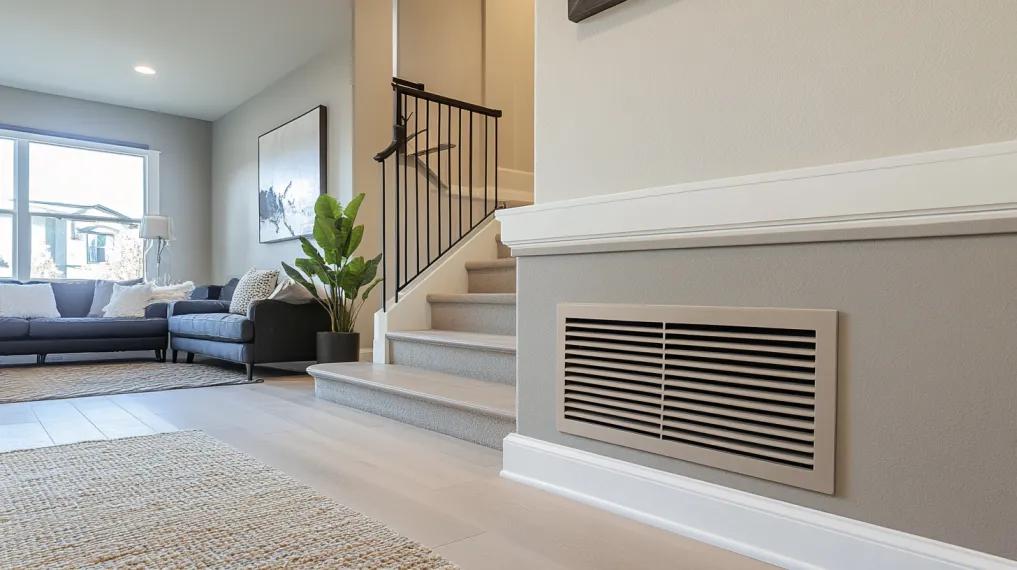
Key Differences Between Air Filtration and Ventilation
While both air filtration and ventilation contribute to better indoor air quality, they address different aspects of the problem. Here’s a breakdown of their main distinctions:
- Air filtration focuses on removing particles and contaminants already present in the indoor air. It does not introduce fresh air from outside.
- Ventilation replaces stale indoor air with outdoor air, helping to reduce concentrations of carbon dioxide, humidity, and odors. However, it does not directly remove fine particles or allergens unless combined with filtration.
- Filtration is most effective for people with allergies, asthma, or sensitivity to airborne particles, while ventilation is crucial for controlling moisture, odors, and general air freshness.
How These Systems Work Together
In many modern buildings, both air filtration and ventilation are used in tandem for optimal results. For example, a mechanical ventilation system may include filters to ensure that incoming air is clean, while standalone air purifiers can further reduce indoor pollutants.
Combining these approaches is especially important in areas with poor outdoor air quality, such as during wildfire season or in urban environments. In such cases, filtered ventilation systems can provide fresh air without introducing new contaminants.
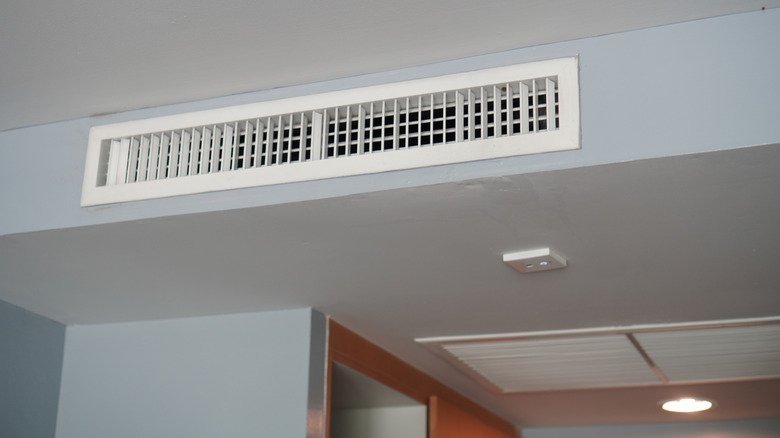
Benefits of Each Approach
Advantages of Air Filtration
- Reduces allergens and asthma triggers by trapping dust, pollen, and pet dander.
- Removes smoke, mold spores, and bacteria, improving respiratory health.
- Helps maintain a cleaner indoor environment, reducing the need for frequent dusting.
Advantages of Ventilation
- Controls humidity, preventing mold growth and structural damage.
- Dilutes indoor pollutants, including carbon dioxide and VOCs.
- Maintains a fresh, comfortable atmosphere by removing odors and excess heat.
Choosing the Right Solution for Your Space
Deciding between air filtration and ventilation—or determining the right balance—depends on your unique circumstances. If you live in an area with high pollen counts or frequent wildfires, investing in a high-quality air filtration system is wise. For homes with moisture issues or lingering odors, enhancing ventilation may be more effective.
In many cases, a combination of both systems yields the best results. For instance, using a HEPA filter in your HVAC system while running a ceiling exhaust fan can address both particulate and gaseous pollutants. If you’re planning a renovation or building a new home, consult with an HVAC professional to design a system that integrates both approaches.
Maintenance Tips for Optimal Performance
- Replace or clean air filters regularly, according to manufacturer recommendations.
- Inspect and clean ventilation ducts and exhaust fans to prevent blockages and maintain airflow.
- Monitor indoor humidity levels and use dehumidifiers if necessary to complement your ventilation system.
Frequently Asked Questions
Can I Rely on Just Air Filtration Without Ventilation?
While air filtration is effective at removing particles, it does not address issues like excess humidity or carbon dioxide buildup. For comprehensive indoor air quality, both filtration and ventilation are recommended.
Is Ventilation Enough to Remove Allergens?
Ventilation can help dilute allergens, but it does not physically remove them from the air. For allergy sufferers, using a filtration system with a HEPA filter is essential for capturing fine particles.
How Often Should I Replace Air Filters?
Most manufacturers suggest replacing standard HVAC filters every 1–3 months, but this can vary based on usage, filter type, and local air quality. Always follow the guidelines provided with your system.
Conclusion
Both air filtration and ventilation are vital components of a healthy indoor environment. By understanding their differences and how they work together, you can create a space that supports your well-being and comfort. Whether you prioritize removing allergens or increasing fresh air flow, investing in the right systems—and maintaining them properly—will pay off in the long run.