
As the world shifts toward more sustainable living, the lifestyle impact net-zero housing brings is becoming increasingly relevant. These homes are designed to produce as much energy as they consume, resulting in a dramatically reduced carbon footprint. But beyond the technical achievements, what does this mean for daily life? How does living in a net-zero home affect comfort, routines, and the sense of personal responsibility?
Understanding the real-world effects of net-zero design helps homeowners, builders, and communities make informed choices. From energy savings and indoor air quality to daily habits and technology integration, the influence of these homes extends far beyond utility bills.
For those interested in the intersection of sustainability and smart technology, exploring connected home net-zero systems can provide additional insights into how automation and integration support eco-friendly living.
How Net-Zero Homes Shape Daily Comfort
One of the most immediate benefits of net-zero living is the improvement in everyday comfort. These homes are built or retrofitted with high-performance insulation, airtight construction, and advanced ventilation systems. As a result, indoor temperatures remain stable year-round, drafts are minimized, and humidity is controlled more effectively.
- Consistent indoor climate: Enhanced insulation and windows keep temperatures steady, reducing the need for constant heating or cooling adjustments.
- Quiet living spaces: Airtight construction and thicker walls dampen outside noise, making interiors more peaceful.
- Better air quality: Mechanical ventilation systems, such as heat recovery ventilators (HRVs), continuously filter and refresh indoor air, reducing allergens and pollutants.
These features contribute to a healthier, more comfortable environment, which can be especially noticeable for families with children, elderly residents, or anyone sensitive to air quality.
Responsibility and Awareness in Net-Zero Living
Adopting a net-zero lifestyle often brings a heightened sense of environmental responsibility. Homeowners become more aware of their energy consumption and the impact of their choices. This awareness is reinforced by real-time monitoring tools and smart systems that provide feedback on usage patterns.
For example, integrating real time energy tracking homes solutions allows residents to see exactly how much energy is being used and generated at any moment. This transparency encourages mindful habits, such as turning off unused lights, unplugging devices, and optimizing appliance use.
- Behavioral changes: Residents often become more conscious of waste, leading to reduced water and electricity use.
- Community influence: Living in a net-zero home can inspire neighbors and friends to adopt similar practices, amplifying the positive impact.
- Educational opportunities: Families can use these homes as a teaching tool for children, fostering a culture of sustainability from an early age.
Technology Integration for a Sustainable Lifestyle
Modern net-zero homes rely on a blend of passive design and advanced technology. From solar panels and energy storage systems to smart thermostats and connected appliances, technology plays a central role in achieving and maintaining zero energy balance.
Utilizing smart appliances for net-zero construction not only improves efficiency but also simplifies daily routines. Automated lighting, climate control, and even irrigation systems can be programmed to operate only when needed, reducing waste and maximizing comfort.
Some of the most impactful technologies include:
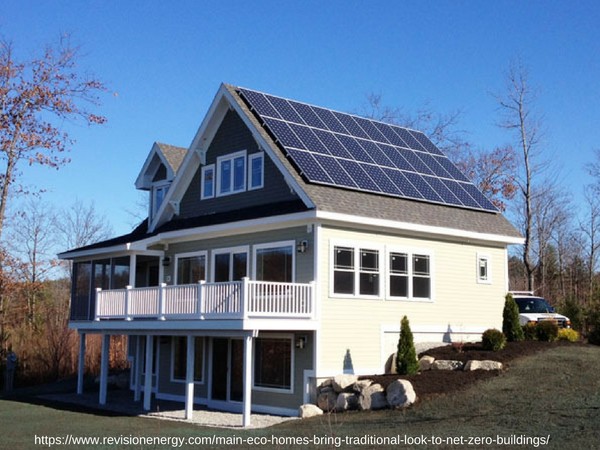
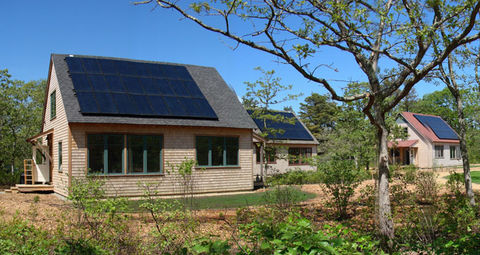
- Solar photovoltaic (PV) systems: Generate renewable electricity on-site.
- Battery storage: Store excess energy for use during peak demand or outages.
- Smart home hubs: Integrate various systems for seamless control and monitoring.
- IoT sensors: Track temperature, humidity, occupancy, and energy use in real time.
For a deeper look at how interconnected devices enhance sustainability, see IoT in net-zero homes explained.
Financial and Environmental Benefits
While the upfront investment in net-zero construction can be higher than traditional homes, the long-term savings are significant. Reduced energy bills, lower maintenance costs, and potential incentives or tax credits can offset initial expenses over time.
Key financial and environmental advantages include:
- Lower utility costs: Producing your own energy means minimal or even zero monthly bills.
- Resilience to price fluctuations: Homeowners are less affected by rising energy prices.
- Reduced carbon emissions: Net-zero homes contribute to climate goals by minimizing greenhouse gas output.
- Increased property value: Sustainable features are increasingly attractive to buyers and can boost resale value.
For a comprehensive explanation of the principles behind these homes, the article what is a net-zero building provides a detailed overview of design strategies and benefits.
Adapting Habits for Sustainable Living
Transitioning to a net-zero home often means adopting new habits and routines. While much of the efficiency is built into the structure and systems, residents play a crucial role in maximizing performance. Simple actions like adjusting thermostat settings, using appliances during daylight hours, and maintaining equipment can make a noticeable difference.
Some practical tips for adapting to a net-zero lifestyle:
- Schedule high-energy tasks (laundry, dishwashing) when solar production is highest.
- Regularly check and replace air filters to maintain indoor air quality.
- Monitor energy dashboards to identify and address unexpected spikes in usage.
- Engage with community programs or local groups focused on sustainability for shared learning and support.
For those interested in optimizing their home’s energy use even further, exploring AI energy optimization for net-zero homes can reveal how artificial intelligence is shaping the future of sustainable living.
Challenges and Considerations
While the lifestyle impact net-zero housing brings is largely positive, there are challenges to consider. Some homeowners may find the learning curve for new systems steep, especially if they are not familiar with smart technology. Maintenance of advanced equipment, such as solar inverters or battery storage, requires attention and sometimes professional support.
Additionally, achieving true net-zero performance depends on local climate, available technology, and occupant behavior. Not all locations or existing homes can be easily converted, and upfront costs may be a barrier for some families. However, as technology advances and awareness grows, these obstacles are gradually diminishing.
Frequently Asked Questions
What is the main benefit of living in a net-zero home?
The primary advantage is a significant reduction in energy bills and carbon emissions, leading to both financial savings and a smaller environmental footprint. Residents also enjoy improved comfort, air quality, and a sense of contributing to broader sustainability goals.
Are net-zero homes more comfortable than traditional homes?
Yes, these homes are designed with superior insulation, airtight construction, and advanced ventilation systems. This results in more stable indoor temperatures, less noise, and better air quality compared to conventional buildings.
How can homeowners maximize the benefits of net-zero living?
By staying informed about their energy use, maintaining equipment, and adopting energy-conscious habits, residents can enhance both the efficiency and comfort of their homes. Using smart appliances and real-time monitoring tools can further optimize performance and savings.