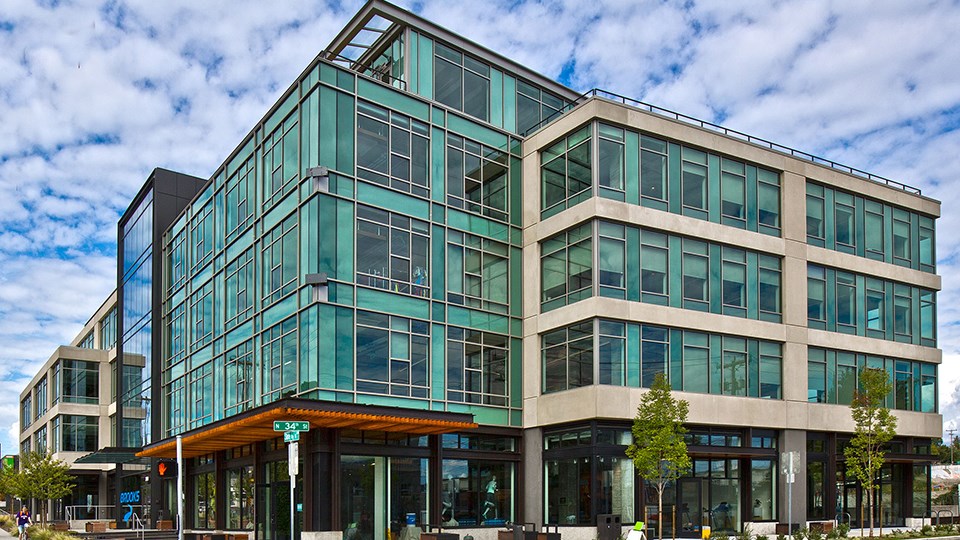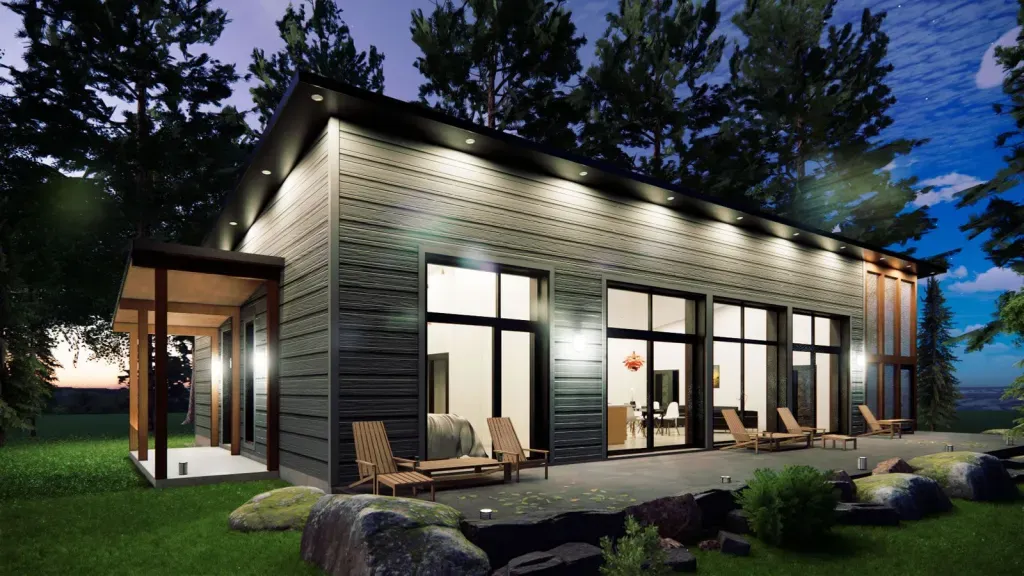

Climate change and net-zero construction are increasingly intertwined topics as the world seeks effective ways to reduce greenhouse gas emissions and secure a sustainable future. The building sector is responsible for a significant portion of global carbon emissions, making it a critical area for improvement. By adopting net-zero strategies, both builders and homeowners can play a meaningful role in addressing environmental challenges.
Net-zero construction refers to buildings designed and operated so that the total amount of energy used is roughly equal to the amount of renewable energy created on-site. This approach not only reduces the carbon footprint but also leads to long-term savings and healthier living environments. For those interested in the broader impact of these efforts, the environmental benefits net-zero homes offer are substantial and well-documented.
Understanding the Urgency: Why Sustainable Building Matters
The construction industry is a major contributor to global carbon emissions, accounting for nearly 40% of energy-related CO2 output worldwide. Traditional building methods often rely on materials and processes that generate significant waste and pollution. As climate concerns intensify, the shift toward net-zero approaches becomes not just a preference but a necessity.
Net-zero buildings are designed to minimize energy consumption through high-performance insulation, airtight envelopes, and efficient heating and cooling systems. By integrating renewable energy sources, such as solar panels, these structures can offset their energy use, leading to a dramatic reduction in emissions. For those looking to make a difference, understanding the carbon footprint net-zero homes achieve is essential for making informed decisions.
Key Principles of Net-Zero Construction
To effectively address climate change and net-zero construction goals, several core principles guide the design and operation of these buildings:
- Energy Efficiency: Maximizing insulation, using energy-efficient windows and doors, and implementing advanced HVAC systems reduce overall energy demand.
- Renewable Energy Integration: On-site generation, such as rooftop solar or geothermal systems, supplies clean energy to meet the building’s needs.
- High-Performance Building Envelope: A well-sealed and insulated structure prevents energy loss and improves indoor comfort.
- Smart Technology: Monitoring and automation tools help track energy use and optimize performance in real time.
- Sustainable Materials: Choosing low-carbon, durable materials further reduces the building’s environmental impact.
These principles not only lower emissions but also create healthier, more resilient living and working spaces.
Design Strategies for Low-Impact Buildings
Effective net-zero projects start with smart design choices that reduce energy demand from the outset. Here are some proven strategies:
- Passive Solar Design: Orienting buildings to maximize natural light and heat reduces reliance on artificial lighting and heating.
- Thermal Mass: Using materials that absorb and slowly release heat helps stabilize indoor temperatures.
- Efficient Water Use: Low-flow fixtures and rainwater harvesting systems conserve water and reduce energy for heating.
- Natural Ventilation: Designing for cross-breezes and stack effect minimizes the need for mechanical cooling.
- Green Roofs and Walls: Vegetated surfaces provide insulation, reduce stormwater runoff, and improve air quality.
These design elements, when combined, create a holistic approach that supports both energy efficiency and occupant well-being.
Technology’s Role in Achieving Net-Zero Goals
Modern technology is a driving force behind the success of net-zero construction. Energy monitoring systems, such as smart meters, provide real-time data on consumption, helping owners identify opportunities for improvement. Thermal imaging cameras can detect air leaks and insulation gaps, ensuring the building envelope performs as intended.
Automation systems can adjust lighting, heating, and cooling based on occupancy and weather conditions, further reducing energy waste. For those interested in the latest advancements, resources like this overview of net-zero building trends offer valuable insight into emerging solutions.
Benefits Beyond the Environment
While the primary motivation for net-zero construction is to combat climate change, the advantages extend far beyond environmental impact. Homeowners and occupants enjoy improved indoor air quality, consistent temperatures, and lower utility bills. These buildings are also more resilient to power outages and extreme weather events.
Communities benefit as well, with reduced strain on local infrastructure and improved public health. For those seeking to adopt more sustainable habits, exploring sustainable living net-zero homes can provide practical tips for daily life.
Overcoming Challenges in Net-Zero Projects
Despite the clear advantages, there are challenges to widespread adoption of net-zero practices. Upfront costs can be higher than conventional construction, though these are often offset by long-term savings. Access to skilled professionals and quality materials may also be limited in some regions.
Education and policy support are key to overcoming these barriers. Incentives, rebates, and updated building codes can encourage more builders and homeowners to embrace net-zero solutions. For a deeper look at lifestyle changes and responsibilities, the article on lifestyle impact net-zero housing provides further guidance.
How Individuals and Communities Can Get Involved
Everyone has a role to play in advancing net-zero construction. Homeowners can retrofit existing buildings with better insulation, energy-efficient appliances, and renewable energy systems. Builders and developers can prioritize sustainable design in new projects, while policymakers can support these efforts through incentives and regulations.
Community initiatives, such as group solar installations or shared green spaces, can amplify the impact. By working together, individuals and organizations can help accelerate the transition to a low-carbon future. For those interested in transforming their own environment, zero carbon living explained offers actionable steps for getting started.
FAQ
What is the difference between net-zero and traditional construction?
Net-zero buildings are designed to balance the energy they consume with renewable energy produced on-site, resulting in minimal or zero net emissions. Traditional construction typically does not prioritize energy efficiency or renewable integration, leading to higher carbon footprints and utility costs.
Are net-zero homes more expensive to build?
Initial costs for net-zero homes can be higher due to advanced materials and systems. However, these costs are often offset by lower energy bills and maintenance expenses over time. Financial incentives and rebates can also help reduce the upfront investment.
How can existing homes be upgraded to achieve net-zero status?
Retrofitting existing homes involves improving insulation, sealing air leaks, upgrading to energy-efficient appliances, and installing renewable energy systems like solar panels. Energy monitoring devices and thermal imaging cameras can help identify areas for improvement and track progress toward net-zero goals.