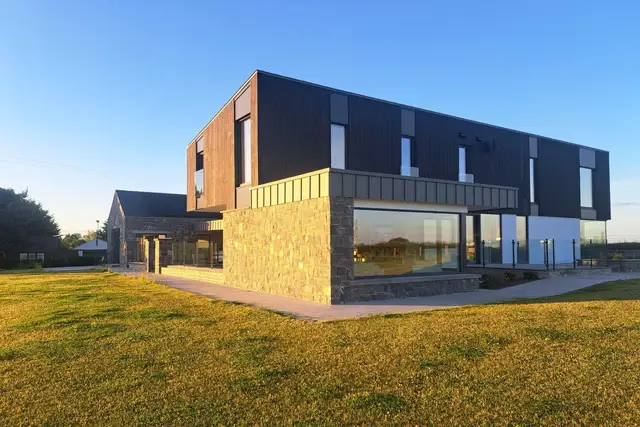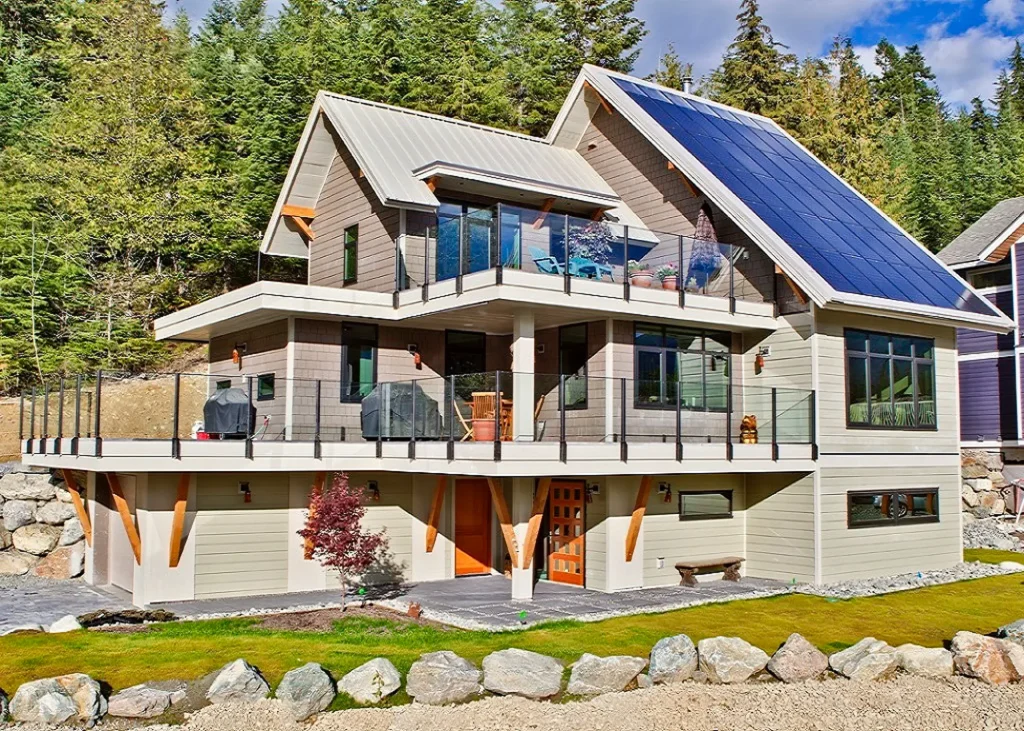

As the urgency to address climate change grows, the concept of carbon footprint net-zero homes has gained significant attention. These residences are designed to produce as much renewable energy as they consume over the course of a year, resulting in a net-zero balance for energy use and greenhouse gas emissions. By adopting such approaches, homeowners and builders can play a pivotal role in reducing environmental impact and promoting sustainable living.
Understanding how these homes function, what technologies they employ, and the measurable benefits they offer is essential for anyone considering sustainable construction or looking to minimize their ecological impact. This article explores the core principles behind net-zero residences, their effectiveness in lowering emissions, and practical steps for implementation.
For those interested in integrating advanced technology into their eco-friendly living spaces, exploring connected home net-zero systems can further enhance energy efficiency and sustainability.
Understanding the Carbon Footprint of Residential Buildings
The environmental impact of homes is largely determined by their carbon footprint, which is the total amount of greenhouse gases emitted directly and indirectly through their construction, operation, and eventual demolition. Traditional homes rely heavily on fossil fuels for heating, cooling, and electricity, contributing significantly to global emissions. In contrast, net-zero homes are engineered to minimize these emissions at every stage.
Key contributors to a home’s carbon output include:
- Energy used for heating, cooling, and appliances
- Materials and construction methods
- Water usage and waste management
- Transportation associated with building and maintaining the home
By addressing each of these factors, net-zero construction aims to create a more sustainable and environmentally responsible housing model.
Core Features of Net-Zero Homes That Lower Emissions
Net-zero homes incorporate a range of design strategies and technologies to achieve their ambitious goals. Some of the most impactful features include:
- High-performance insulation and airtight construction to reduce energy loss
- Advanced windows and doors that minimize heat transfer
- Efficient heating, ventilation, and air conditioning (HVAC) systems
- On-site renewable energy generation, such as solar panels or wind turbines
- Smart energy management systems for real-time monitoring and optimization
- Use of sustainable, low-carbon building materials
These elements work together to drastically cut energy demand and offset any remaining consumption with clean, renewable sources.

Impact Analysis: How Net-Zero Construction Reduces Carbon Emissions
Adopting carbon footprint net-zero homes leads to measurable reductions in greenhouse gas emissions. Studies show that these buildings can lower operational emissions by up to 80-100% compared to conventional homes. The remaining emissions are typically offset through renewable energy generation, resulting in a net-zero balance over the year.
Key benefits include:
- Significant decrease in household energy bills
- Improved indoor air quality and occupant comfort
- Increased property value and marketability
- Long-term resilience against rising energy costs
For a deeper dive into how technology is shaping this field, the article on AI energy optimization for net-zero homes discusses the role of artificial intelligence in maximizing efficiency and further reducing emissions.
Technologies and Tools for Achieving Net-Zero Performance
Several innovations are making it easier for homeowners and builders to reach net-zero targets. These include:
- Smart meters and real-time monitoring devices that track energy use and identify inefficiencies. To learn more, see the guide on real time energy tracking for homes.
- High-efficiency appliances designed specifically for low-energy buildings. Explore the latest in smart appliances for net-zero construction.
- Integration of the Internet of Things (IoT) for automated control of lighting, heating, and cooling. For an overview, visit IoT in net-zero homes explained.
- Thermal imaging cameras and energy monitors to detect leaks and optimize performance.
These technologies not only support the goal of net-zero energy but also provide valuable data to inform ongoing improvements and maintenance.
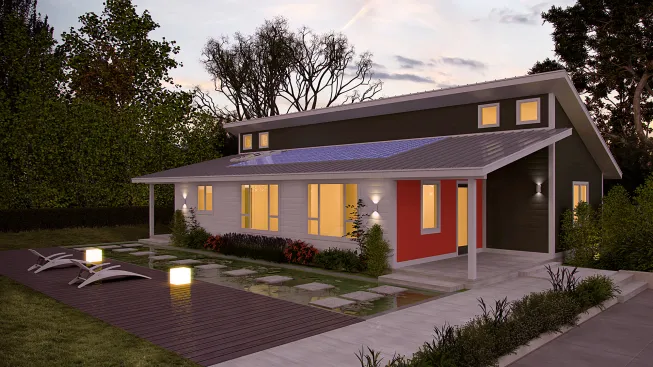
Designing and Building for a Smaller Carbon Footprint
Achieving a low-carbon or net-zero home requires careful planning and execution. Some essential steps include:
- Conducting an energy model to estimate usage and identify savings opportunities
- Choosing high-performance building envelopes and windows
- Installing renewable energy systems sized to meet or exceed annual demand
- Utilizing smart controls and energy-efficient appliances
- Selecting low-carbon materials and minimizing construction waste
For a comprehensive overview of the process, the step-by-step guide to designing a net-zero home offers practical advice and detailed checklists for homeowners and professionals alike.
Challenges and Opportunities in Mainstream Adoption
While the benefits of net-zero construction are clear, several challenges remain:
- Higher upfront costs for advanced materials and systems
- Limited availability of skilled labor and specialized contractors
- Regulatory and permitting hurdles in some regions
- Need for greater public awareness and education
Despite these obstacles, the long-term savings, increased comfort, and positive environmental impact make net-zero homes an attractive option. As technology advances and economies of scale improve, these homes are expected to become more accessible and affordable for a wider range of homeowners.
Frequently Asked Questions
What is the main difference between a net-zero home and a traditional home?
A net-zero home is designed to produce as much energy as it consumes annually, primarily through renewable sources like solar panels. Traditional homes typically rely on grid electricity and fossil fuels, resulting in a higher carbon footprint.
Are net-zero homes more expensive to build?
Initial construction costs can be higher due to advanced materials and systems. However, net-zero homes often result in lower energy bills and maintenance costs over time, offsetting the upfront investment.
Can existing homes be retrofitted to become net-zero?
Yes, many existing homes can be upgraded with better insulation, efficient appliances, renewable energy systems, and smart controls to achieve net-zero performance. The feasibility and cost depend on the current condition and design of the home.
Conclusion
The shift toward carbon footprint net-zero homes represents a crucial step in reducing residential emissions and promoting sustainable living. By combining smart design, innovative technology, and renewable energy, these homes offer a practical solution to environmental challenges. As more individuals and communities embrace this approach, the collective impact on our planet will be substantial and lasting.