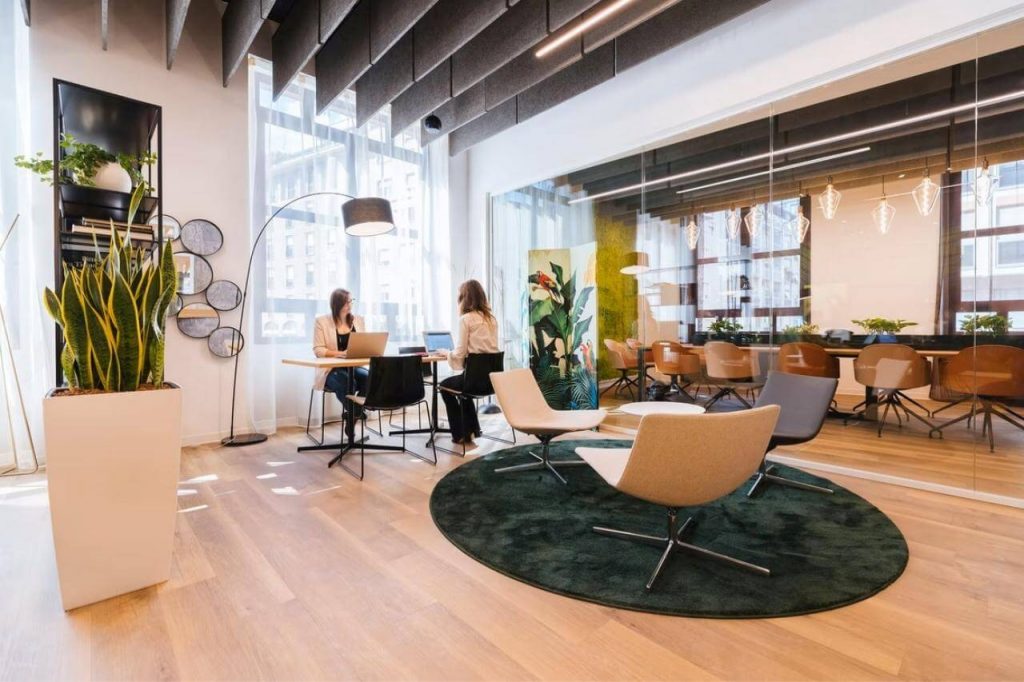
As cities continue to grow, the need for sustainable urban housing net-zero solutions has never been more urgent. Urban areas are responsible for a significant share of global energy use and carbon emissions, making them a critical focus for climate action. By rethinking how we design, build, and live in city homes, we can reduce environmental impact, improve quality of life, and create resilient communities for generations to come.
Net-zero housing in urban environments means more than just energy-efficient buildings—it’s about creating neighborhoods that support low-carbon lifestyles, integrate renewable energy, and foster social and economic sustainability. This approach is reshaping the future of city living, offering practical pathways for individuals, developers, and policymakers to address climate challenges while enhancing urban vitality.

For those interested in the broader environmental context, the environmental benefits net-zero homes offer are substantial, from reduced emissions to improved urban air quality. Understanding these advantages can help guide both personal choices and policy decisions as cities evolve.
What Makes Urban Housing Sustainable and Net-Zero?
To achieve sustainable urban housing net-zero status, a building or community must balance the energy it consumes with the renewable energy it generates on-site or sources from clean grids. This is accomplished through a combination of design strategies, advanced technologies, and lifestyle adaptations. Key elements include:
- High-performance building envelopes that minimize heat loss and maximize insulation.
- Efficient heating, cooling, and ventilation systems, often incorporating heat pumps and energy recovery ventilators.
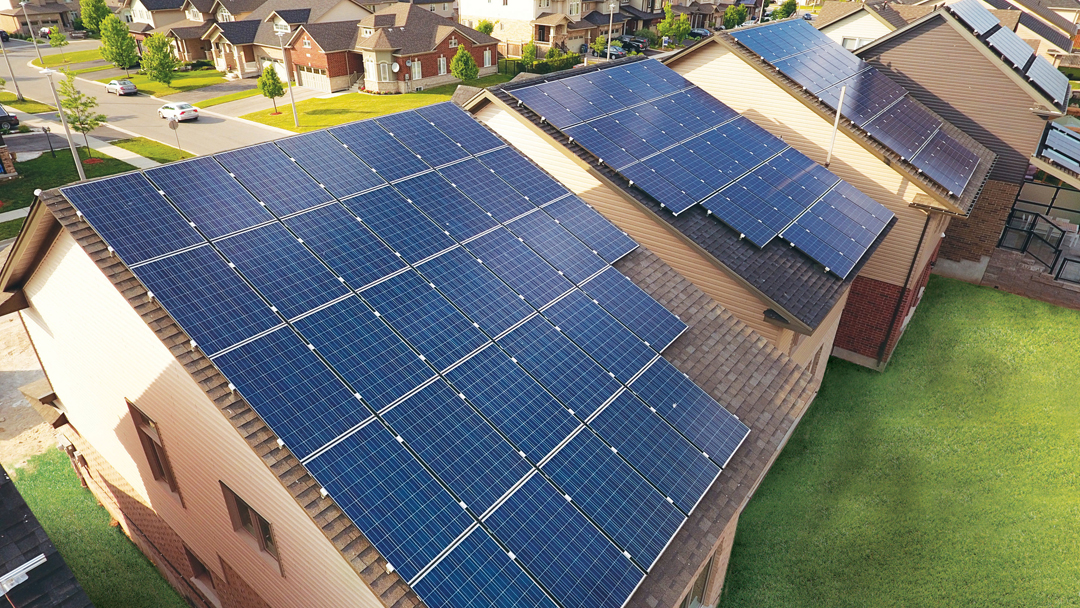
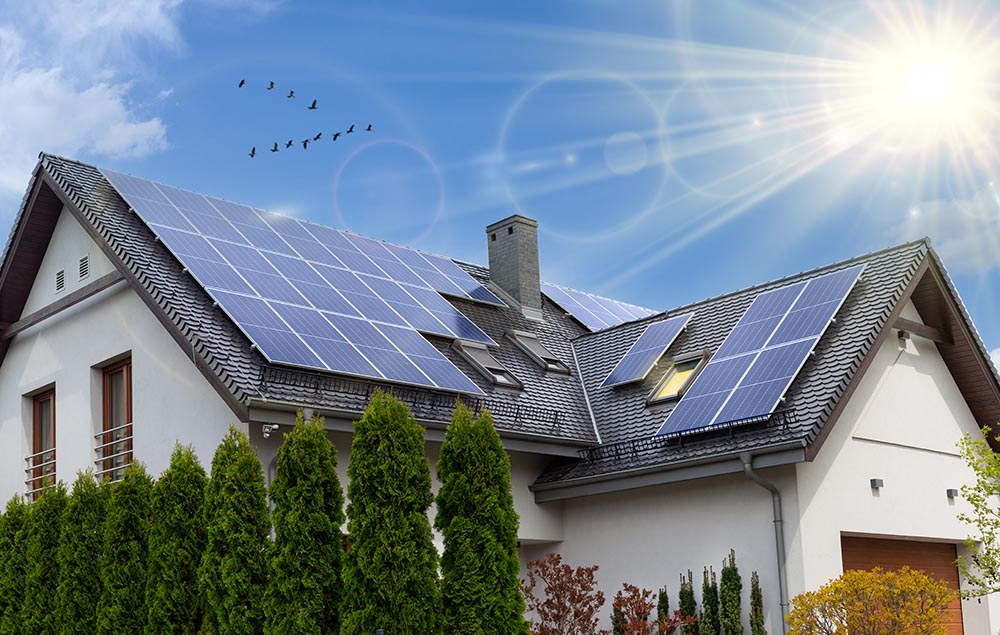
- On-site renewable energy generation, such as solar panels or small wind turbines.
- Smart energy management systems to monitor and optimize consumption.
- Water conservation measures and sustainable landscaping.
- Access to public transportation, cycling infrastructure, and walkable amenities.
These features work together to reduce resource consumption, lower utility bills, and support healthier, more resilient urban environments.
Design Principles for Net-Zero City Living
Urban net-zero housing is shaped by a set of design principles that go beyond individual buildings. These principles guide the creation of entire neighborhoods that support low-carbon living:
- Compact, mixed-use development: Combining residential, commercial, and recreational spaces reduces the need for car travel and encourages walking and cycling.
- Passive solar orientation and daylighting to cut energy demand.
- Green roofs and walls to improve insulation, manage stormwater, and enhance biodiversity.
- Community-shared renewable energy systems, such as microgrids or district heating.
- Integration of nature and open spaces for recreation and climate adaptation.
By applying these principles, cities can create vibrant, inclusive communities that are both environmentally responsible and socially connected.
Benefits of Net-Zero Housing in Urban Areas
Transitioning to net-zero housing in cities delivers a range of benefits for residents, communities, and the planet. Some of the most significant advantages include:
- Lower energy bills thanks to efficient design and renewable energy production.
- Improved indoor air quality and comfort, with better temperature control and ventilation.
- Reduced carbon emissions, supporting city and national climate targets.
- Enhanced property values and marketability as demand for green homes rises.
- Greater resilience to energy price fluctuations and grid disruptions.
For a deeper look at how these homes impact daily life, the article on lifestyle impact net-zero housing explores comfort, responsibility, and well-being in net-zero environments.
Challenges and Solutions in Urban Net-Zero Development
While the benefits are clear, achieving net-zero in dense urban settings comes with unique challenges. Limited space, existing infrastructure, and higher construction costs can make implementation complex. However, innovative solutions are emerging:
- Retrofitting existing buildings with insulation, efficient systems, and renewable energy upgrades.
- Leveraging community-scale energy systems to share resources and reduce costs.
- Incorporating modular and prefabricated construction methods for faster, less disruptive builds.
- Engaging residents in sustainable living practices to maximize the impact of building features.
Policy support, incentives, and public-private partnerships are also essential for scaling up net-zero housing in cities. Municipalities play a key role in updating codes, streamlining approvals, and investing in infrastructure that supports sustainable growth.
How Residents Can Support Net-Zero Goals
Residents play a vital role in making urban net-zero housing successful. Beyond the physical features of their homes, daily habits and choices can significantly influence energy use and emissions. Simple actions include:
- Using programmable thermostats and smart plugs to manage energy consumption.
- Choosing energy-efficient appliances and lighting.
- Participating in recycling and composting programs.
- Opting for active or public transportation over private vehicles.
- Engaging in community initiatives that promote sustainability.
For practical tips on daily habits, see the guide to sustainable living net-zero homes, which covers routines and behaviors that align with net-zero objectives.
Innovations Driving the Future of Urban Net-Zero Housing
Technological advancements are accelerating the shift toward net-zero city living. Some of the most promising innovations include:
- Advanced building materials, such as aerogels and phase-change insulation, that boost energy performance.
- Smart home systems that automate energy management and provide real-time feedback.
- Battery storage solutions for balancing on-site renewable generation with demand.
- Urban agriculture and vertical gardens that contribute to food security and climate adaptation.
- Data-driven design tools that optimize building orientation, shading, and energy flows.
For those interested in the technical side of net-zero construction, the article on how net-zero homes work offers a detailed look at the systems and strategies involved.
Frequently Asked Questions
What is the difference between net-zero and traditional urban housing?
Net-zero housing is designed to produce as much renewable energy as it consumes over the course of a year, resulting in a neutral carbon footprint. Traditional urban homes typically rely on fossil fuels and have higher energy demands, leading to greater emissions and operating costs.
Can existing city buildings be upgraded to net-zero?
Yes, many existing buildings can be retrofitted with better insulation, efficient HVAC systems, and renewable energy technologies. While some upgrades may require significant investment, the long-term savings and environmental benefits often justify the effort.
How does net-zero housing contribute to healthier cities?
Net-zero developments reduce air pollution, lower noise levels, and provide better indoor air quality. They also encourage active transportation and community engagement, supporting overall well-being and resilience in urban areas.
Conclusion
The movement toward sustainable urban housing net-zero is transforming how cities grow and thrive. By integrating efficient design, renewable energy, and community-focused planning, urban areas can become leaders in climate action and quality of life. Whether you’re a homeowner, developer, or policymaker, embracing these principles is a step toward a more sustainable, equitable, and vibrant urban future.