As the world faces mounting environmental challenges, the construction and operation of residential buildings play a significant role in global emissions and resource consumption. Net-zero homes offer a transformative approach to sustainable living, aiming to produce as much energy as they consume over the course of a year. By embracing advanced building techniques, renewable energy, and efficient technologies, these homes provide substantial environmental benefits that help safeguard our planet for future generations.
This article explores how net-zero residences reduce carbon footprints, conserve resources, and support a healthier ecosystem. For those interested in the broader lifestyle implications, the lifestyle impact net-zero housing offers further insight into comfort and responsibility in sustainable living.
How Net-Zero Homes Reduce Carbon Emissions
One of the most compelling environmental benefits net-zero homes offer is a dramatic reduction in greenhouse gas emissions. Traditional homes rely heavily on fossil fuels for heating, cooling, and electricity, contributing to carbon dioxide and other pollutants. In contrast, net-zero residences are designed to minimize energy demand through superior insulation, airtight construction, and high-performance windows.
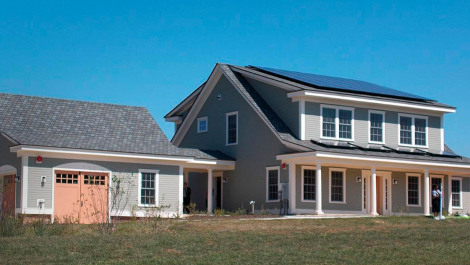
By integrating renewable energy sources such as solar panels or wind turbines, these homes generate clean power on-site. The result is a significant decrease in reliance on grid electricity, much of which is still produced from non-renewable sources. Over time, this leads to a measurable drop in carbon emissions, helping to slow climate change and improve air quality.
Resource Conservation and Efficient Design
Resource efficiency is a cornerstone of net-zero construction. These homes are engineered to use less water, energy, and raw materials throughout their lifecycle. Features such as low-flow plumbing fixtures, energy-efficient appliances, and smart home systems contribute to lower consumption rates.
Building materials are often selected for their durability and low environmental impact. Many net-zero projects utilize recycled or locally sourced products, further reducing the embodied energy associated with transportation and manufacturing. The use of advanced framing techniques and high-quality insulation also means less waste during construction and better long-term performance.
Improved Air and Water Quality
Homes built to net-zero standards often feature advanced ventilation systems that filter indoor air, reducing allergens, dust, and pollutants. This not only benefits residents but also lessens the impact on the surrounding environment by minimizing the release of contaminants.
Water conservation is another key aspect. Rainwater harvesting systems, drought-tolerant landscaping, and efficient irrigation help reduce demand on municipal water supplies. Collectively, these measures support healthier local ecosystems and contribute to the resilience of communities facing water scarcity.
Supporting Biodiversity and Local Ecosystems
The thoughtful design of net-zero properties extends beyond the walls of the home. Many projects incorporate native plants, green roofs, and permeable paving to create habitats for pollinators and wildlife. These features help restore biodiversity and reduce the urban heat island effect.
By minimizing site disturbance and managing stormwater runoff, net-zero developments can protect nearby waterways and soil quality. This holistic approach ensures that the benefits of sustainable building are felt both within the home and throughout the surrounding environment.
Long-Term Environmental Impact and Community Benefits
The positive effects of net-zero living are amplified when adopted at scale. As more homeowners and builders embrace these principles, the cumulative reduction in emissions and resource use becomes substantial. Neighborhoods of net-zero homes can serve as models for sustainable development, inspiring others to follow suit.
Communities that prioritize energy-efficient construction also enjoy greater resilience to energy price fluctuations and supply disruptions. This stability supports local economies and reduces vulnerability to climate-related risks.
Technology and Innovation in Net-Zero Construction
Advancements in building science and smart home technology are making it easier than ever to achieve net-zero performance. Tools for real time energy tracking homes allow homeowners to monitor and adjust their energy use, while innovations in IoT in net-zero homes explained provide seamless integration of devices for optimal efficiency.
Modern appliances, lighting, and HVAC systems are designed to use less power without sacrificing comfort. As these technologies become more accessible, the environmental advantages of net-zero living will continue to grow, supporting a broader shift toward sustainability in the housing sector.
Economic and Policy Drivers for Sustainable Homes
Government incentives, green building certifications, and growing consumer demand are accelerating the adoption of net-zero standards. Many regions now offer rebates, tax credits, or expedited permitting for projects that meet stringent energy criteria. These policies make it more feasible for homeowners and builders to invest in sustainable construction.
For those considering a new build or retrofit, resources like comprehensive guides to net-zero home building can provide valuable information on design strategies, materials, and available incentives.
Frequently Asked Questions
- What makes a home net-zero?
- A net-zero home is designed and built to produce as much renewable energy as it consumes annually. This is achieved through a combination of energy-efficient construction, high-performance systems, and on-site renewable energy generation such as solar panels.
- How do net-zero homes benefit the environment?
- These homes significantly reduce greenhouse gas emissions, conserve water and energy, and support local ecosystems. By minimizing reliance on fossil fuels and using sustainable materials, they help mitigate climate change and promote healthier communities.
- Are net-zero homes more expensive to build?
- While initial construction costs can be higher due to advanced materials and systems, the long-term savings on energy bills and potential incentives often offset the upfront investment. Over time, homeowners may find that the financial and environmental returns make net-zero living a smart choice.
Conclusion: The Path Forward for Sustainable Living
Net-zero homes represent a practical and impactful solution for those seeking to reduce their environmental footprint. By combining efficient design, renewable energy, and innovative technology, these residences offer a blueprint for a more sustainable future. As adoption grows, the collective impact on emissions, resource use, and ecosystem health will continue to expand, protecting the planet for generations to come.
For more on the intersection of technology and sustainability, explore topics like AI energy optimization net-zero homes and smart appliances net-zero construction to see how innovation is shaping the homes of tomorrow.