
Achieving net-zero energy performance in residential construction requires a careful balance of design, materials, and building techniques. Among these, wood framing plays a pivotal role in creating homes that are both structurally sound and highly energy efficient. This wood framing net-zero homes guide explores how to optimize framing strategies for maximum structural efficiency, reduced energy loss, and long-term sustainability.
Builders and homeowners increasingly seek solutions that minimize environmental impact while delivering comfort and durability. By integrating advanced framing methods and selecting the right materials, it’s possible to significantly reduce thermal bridging, improve insulation, and lower the overall carbon footprint of a home. For those interested in exploring additional sustainable options, consider reviewing the recycled materials net-zero construction resource for further insights.
Understanding the Role of Wood Framing in Energy-Efficient Homes
Wood framing is the backbone of most North American residential construction. In the context of net-zero building, it’s not just about structural support—it’s about creating a thermal envelope that minimizes energy loss. The way studs, headers, and other framing components are arranged can have a significant impact on a home’s insulation and air sealing.
Traditional framing often leads to unnecessary thermal bridging, where heat escapes through wood members that penetrate the insulation layer. By adopting advanced framing techniques, builders can reduce the amount of wood used, increase space for insulation, and improve overall energy performance.
Key Principles for Structurally Efficient Wood Framing
To optimize wood framing for net-zero performance, several core principles should be followed:
- Minimize Thermal Bridging: Use continuous insulation and align framing members to reduce direct heat transfer through the structure.
- Optimize Stud Spacing: Increase spacing from 16” to 24” on center where structurally appropriate, allowing for more insulation and less lumber usage.
- Use Insulated Headers: Replace solid wood headers with insulated alternatives above windows and doors to prevent heat loss.
- Align Openings: Stack windows, doors, and other penetrations vertically to allow for continuous load paths and reduce redundant framing.
- Limit Framing at Corners: Use two-stud corners and ladder blocking at partition walls to maximize insulation coverage.
Advanced Framing Techniques for Net-Zero Goals
Advanced or “optimum value engineering” (OVE) framing methods are designed to use less wood while maintaining structural integrity. These techniques are especially relevant for those aiming for net-zero energy targets, as they directly influence the home’s thermal performance.
Some of the most effective advanced framing strategies include:
- Single Top Plates: When wall, floor, and roof framing are aligned, single top plates can be used, reducing lumber and thermal bridging.
- Open Corners and T-Walls: These allow insulation to be installed in areas that would otherwise be blocked by solid wood.
- Insulated Rim Joists: Properly insulating rim joists at the floor perimeter prevents significant heat loss.
- Continuous Air Barriers: Use sheathing and sealants to create an uninterrupted air barrier, critical for net-zero performance.
For a deeper dive into selecting the right products for sustainable construction, the net-zero building materials guide provides a comprehensive overview.
Material Selection for Sustainable Wood Framing
Choosing the right wood products is essential for both structural efficiency and environmental responsibility. Options such as engineered lumber, FSC-certified wood, and advanced sheathing materials can help reduce waste and improve the sustainability profile of a project.
Engineered wood products, like I-joists and laminated veneer lumber (LVL), offer high strength-to-weight ratios and can span longer distances with less material. These products are manufactured to precise specifications, which reduces on-site waste and supports efficient framing layouts.
Additionally, using eco friendly materials net-zero homes can further enhance the environmental performance of your build, contributing to both energy savings and reduced embodied carbon.
Insulation and Air Sealing: Critical Components
No matter how efficient the framing, achieving net-zero energy requires attention to insulation and air sealing. The cavities created by advanced framing must be filled with high-performance insulation, such as dense-pack cellulose, spray foam, or mineral wool. Proper installation is key—gaps or compression can undermine the effectiveness of even the best materials.
Air sealing is equally important. Use tapes, gaskets, and sealants at all joints, penetrations, and transitions to prevent air leakage. A blower door test can verify the tightness of the building envelope, ensuring that the home performs as designed.
Integrating Wood Framing with Other Net-Zero Strategies
Wood framing is just one piece of the net-zero puzzle. To maximize efficiency, it should be integrated with other strategies such as high-performance windows, energy-efficient HVAC systems, and renewable energy sources like solar panels. Careful coordination between the framing plan and mechanical layout can help avoid conflicts and ensure that insulation and air barriers remain continuous.
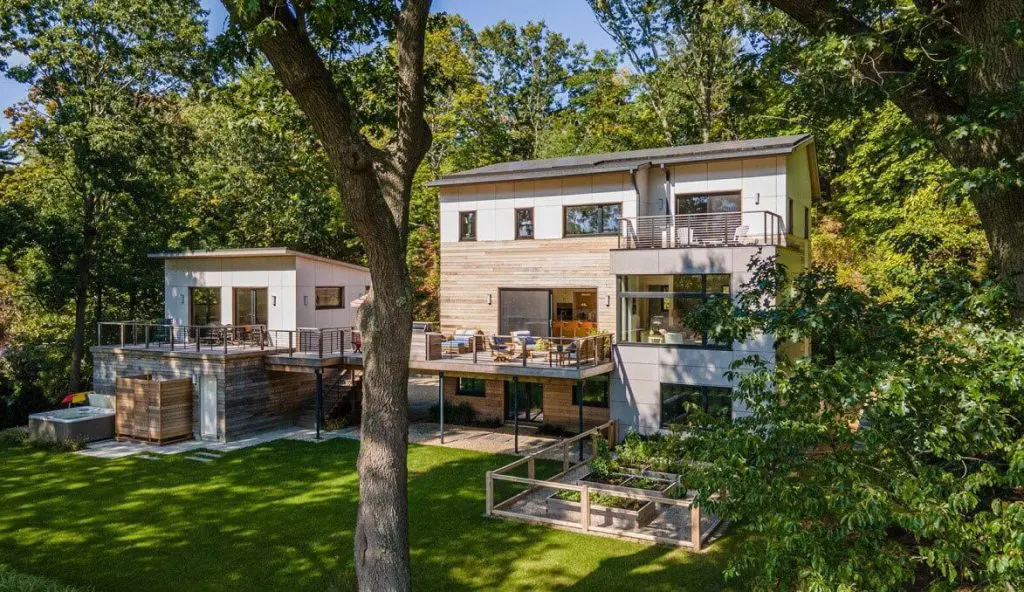
For those interested in reducing the carbon footprint of their project, the low carbon building materials explained article offers practical advice on material choices and construction methods.
Cost Considerations and Long-Term Benefits
While advanced wood framing techniques may require more planning and skilled labor, they often result in lower material costs and long-term energy savings. Reducing the amount of lumber used not only saves money but also lessens the environmental impact of construction. Additionally, improved insulation and airtightness translate to lower heating and cooling bills over the life of the home.
Incentives and rebates for energy-efficient construction are available in many regions, further offsetting initial costs. Homeowners also benefit from increased comfort, better indoor air quality, and higher resale values.
Resources for Further Learning
Staying informed about the latest trends and best practices is essential for anyone involved in sustainable building. For a broader look at how net-zero buildings are shaping the future of construction, the Autodesk overview of net-zero construction provides valuable insights and case studies.
For more specific guidance on sustainable material choices, the sustainable construction materials net-zero resource is an excellent starting point.
FAQ: Wood Framing and Net-Zero Home Construction
What is the main advantage of advanced wood framing in net-zero homes?
Advanced wood framing reduces the amount of lumber used and increases the space available for insulation. This combination minimizes thermal bridging and improves the overall energy efficiency of the home, making it easier to achieve net-zero energy goals.
How does wood framing impact the carbon footprint of a building?
Wood is a renewable resource that stores carbon, making it a more sustainable choice compared to many other structural materials. Using engineered wood products and optimizing framing layouts further reduces waste and embodied carbon in construction.
Can traditional framing methods be adapted for net-zero construction?
Yes, traditional methods can be improved by incorporating advanced framing techniques such as wider stud spacing, insulated headers, and continuous air barriers. These adjustments help meet the higher performance standards required for net-zero homes.
Conclusion
Optimizing wood framing is a fundamental step toward building homes that are both structurally efficient and capable of achieving net-zero energy performance. By adopting advanced techniques, selecting sustainable materials, and integrating these strategies with other high-performance systems, builders and homeowners can create comfortable, resilient, and environmentally responsible living spaces.