

Building a home or commercial space with net-zero energy goals requires careful planning and a deep understanding of sustainable construction. Selecting the right products is crucial for achieving energy efficiency, reducing carbon emissions, and ensuring long-term durability. This net-zero building materials guide offers practical advice for homeowners, builders, and architects who want to make informed choices for eco-friendly construction.
As the demand for sustainable buildings grows, so does the variety of materials and technologies available. Navigating these options can be overwhelming, but focusing on key performance criteria and proven strategies will help you choose products that align with your project’s environmental goals. Before diving into the specifics, it’s helpful to explore related concepts such as modern net-zero home architecture and the principles behind energy-efficient design.
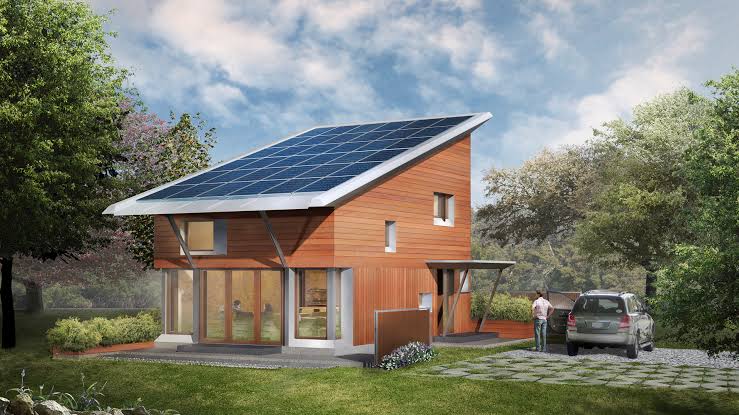
Understanding Net-Zero Construction and Material Selection
Net-zero construction aims to balance the energy a building consumes with the renewable energy it produces. Achieving this balance depends not only on high-performance systems but also on the materials used for the building envelope, interior finishes, and structural components. The right material choices can significantly reduce a building’s operational energy needs and embodied carbon footprint.
When evaluating products for a sustainable project, consider these essential criteria:
- Thermal performance: Insulation, windows, and doors should have high R-values and low U-factors to minimize heat transfer.
- Durability: Long-lasting materials reduce maintenance and replacement needs, saving resources over time.
- Low embodied carbon: Choose products manufactured with minimal greenhouse gas emissions and, where possible, made from recycled or rapidly renewable resources.
- Non-toxicity: Select materials with low or zero volatile organic compounds (VOCs) to protect indoor air quality.
- Local sourcing: Materials produced close to the project site reduce transportation emissions and support regional economies.
For a deeper dive into eco-friendly design strategies, see green building design net-zero homes.
Key Categories of Sustainable Building Products
To create a high-performance structure, focus on the following product categories. Each plays a vital role in energy conservation and environmental impact.
Insulation and Air Sealing: The Foundation of Efficiency
Effective insulation and airtight construction are fundamental to any net-zero building materials guide. High-quality insulation reduces heating and cooling loads, while proper air sealing prevents drafts and moisture intrusion. Popular insulation options include:
- Cellulose: Made from recycled paper, cellulose offers excellent thermal performance and is a renewable resource.
- Mineral wool: Resistant to fire and moisture, mineral wool is durable and often contains recycled content.
- Spray foam: Provides both insulation and air sealing, but check for low-emission formulations to minimize environmental impact.
Complement insulation with advanced air barriers and tapes to ensure a continuous envelope. For more on how thermal mass can help regulate indoor temperatures, read about thermal mass in net-zero homes.

Windows and Doors: Maximizing Daylight and Efficiency
High-performance windows and doors are essential for reducing energy loss and harnessing natural light. Look for:
- Triple glazing: Offers superior insulation compared to double-pane options.
- Low-emissivity (Low-E) coatings: Reflect heat while allowing visible light to pass through.
- Thermally broken frames: Minimize heat transfer through window and door frames.
Proper placement and sizing of windows can also enhance daylighting. For more on this topic, explore daylighting strategies net-zero construction.
Structural Materials: Choosing Low-Carbon Options
The structural system of a building often represents the largest share of its embodied carbon. Consider these alternatives:
- Engineered wood products: Cross-laminated timber (CLT) and laminated veneer lumber (LVL) store carbon and are renewable.
- Recycled steel: Steel with high recycled content reduces the need for virgin materials.
- Low-carbon concrete: Blends that use fly ash, slag, or other supplementary cementitious materials lower emissions.
Whenever possible, choose certified sustainable wood and products with third-party environmental certifications.

Interior Finishes and Healthy Living
Beyond the structure and envelope, interior materials impact both sustainability and occupant health. Opt for:
- Low-VOC paints and finishes: Improve indoor air quality.
- Rapidly renewable flooring: Bamboo and cork are durable and regrow quickly.
- Recycled content surfaces: Countertops and tiles made from recycled glass or paper reduce waste.
These choices contribute to a healthier indoor environment and support the overall sustainability of the project.
Smart Systems and Monitoring for Net-Zero Success
Material selection goes hand in hand with smart building systems. Energy monitors, thermal imaging cameras, and automated controls help optimize performance and identify areas for improvement. Investing in these technologies ensures your building operates as efficiently as its design intends.
For a step-by-step overview of the construction process, see this comprehensive guide to building a net-zero home.
Ventilation and Moisture Management
Proper ventilation is essential for comfort and indoor air quality in airtight buildings. Mechanical ventilation with heat recovery (HRV) or energy recovery (ERV) systems maintains fresh air while minimizing energy loss. For more on this topic, explore strategies for natural ventilation net-zero homes.
Moisture-resistant materials and effective drainage systems prevent mold and structural damage, preserving the longevity of your investment.
Frequently Asked Questions
What are the most important factors when selecting materials for a net-zero project?
The most critical factors are thermal performance, durability, low embodied carbon, non-toxicity, and local sourcing. Prioritizing these ensures your building is energy efficient, environmentally friendly, and healthy for occupants.
How can I verify if a building product is truly sustainable?
Look for third-party certifications such as FSC (Forest Stewardship Council) for wood, Cradle to Cradle, GREENGUARD, or Environmental Product Declarations (EPDs). These labels indicate that products meet rigorous sustainability and health standards.
Do net-zero buildings cost more to build?
While some sustainable materials and technologies may have higher upfront costs, the long-term savings in energy bills and maintenance often offset the initial investment. Incentives and rebates can also help reduce costs.
Conclusion
Choosing the right products is a cornerstone of any successful net-zero construction project. By focusing on insulation, windows, structural materials, healthy finishes, and smart systems, you can create a building that is both environmentally responsible and comfortable to live or work in. Use this net-zero building materials guide as a foundation for making informed decisions, and explore related resources to deepen your understanding of sustainable construction.


