Understanding how buildings lose heat is essential for anyone interested in energy efficiency, comfort, and utility savings. One of the most overlooked sources of energy loss in homes and commercial spaces is ventilation. While proper airflow is necessary for maintaining good indoor air quality, it can also be a significant pathway for warm air to escape and cold air to enter, especially during colder months. In this guide, we’ll break down the mechanisms behind heat loss from ventilation, discuss why it matters, and provide practical tips for minimizing unnecessary energy waste.
Ventilation systems, whether natural or mechanical, are designed to exchange indoor air with outdoor air. This process helps control humidity, remove pollutants, and maintain a healthy environment. However, every time air is exchanged, some of the heat generated inside is carried away with the outgoing air. The result is an ongoing demand on your heating system to replace lost warmth, which can increase energy bills and environmental impact.
For those planning home improvements, especially in kitchens or other high-ventilation areas, considering airflow and insulation is crucial. If you’re interested in optimizing your kitchen’s efficiency and layout, you may find these kitchen remodeling space optimization tips helpful.

How Ventilation Contributes to Heat Loss
Ventilation is the intentional movement of air into and out of a building. While it’s vital for health and comfort, it also creates a direct path for heat to escape. There are two main types of ventilation:
- Natural ventilation: Occurs through windows, doors, and small gaps in the building envelope. This is often unregulated and can lead to significant heat loss, especially in older or poorly insulated buildings.
- Mechanical ventilation: Uses fans, ducts, and vents to control airflow. While more efficient, these systems can still cause substantial heat loss if not properly managed or if heat recovery systems are not installed.
When warm indoor air leaves through vents or leaks, it is replaced by colder outdoor air. Your heating system must then work harder to maintain a comfortable temperature, increasing energy consumption.
Factors Affecting Heat Loss from Airflow
Several variables influence the amount of heat lost through ventilation:
- Air exchange rate: The frequency at which indoor air is replaced with outdoor air. Higher rates mean more heat is lost.
- Temperature difference: The greater the difference between indoor and outdoor temperatures, the more energy is required to maintain comfort.
- Building envelope: Gaps, cracks, and poorly sealed ducts increase unintended air movement, leading to additional heat loss.
- Ventilation system design: Systems without heat recovery or with oversized fans can waste more energy.
By understanding these factors, homeowners and building managers can make informed decisions about upgrades and maintenance to reduce unnecessary energy loss.

Why Managing Airflow Is Important for Energy Efficiency
Uncontrolled ventilation can account for a significant portion of a building’s total heat loss—sometimes as much as 30% in older homes. This not only leads to higher heating bills but also increases the carbon footprint of the property. By taking steps to control and optimize ventilation, you can improve indoor comfort, save money, and reduce environmental impact.
Energy-efficient ventilation strategies often involve a combination of sealing leaks, upgrading insulation, and installing systems that recover heat from outgoing air. For example, heat recovery ventilators (HRVs) and energy recovery ventilators (ERVs) are designed to transfer warmth from exhaust air to incoming fresh air, significantly reducing energy loss.
For a comprehensive overview of whole-house ventilation options, the U.S. Department of Energy’s guide to whole-house ventilation provides detailed information on system types and energy-saving solutions.
Common Sources of Unintended Heat Loss
Even with a well-designed ventilation system, unintended pathways can allow warm air to escape. Some of the most common culprits include:
- Gaps around windows and doors: Small cracks and poorly sealed frames can let air leak in and out.
- Unsealed ductwork: Leaky ducts can lose both heated and cooled air before it reaches living spaces.
- Chimneys and flues: These can act as open channels for warm air to escape if not properly closed or fitted with dampers.
- Attic hatches and recessed lighting: These often-overlooked areas can contribute to significant heat loss if not insulated or sealed.
Addressing these issues can make a noticeable difference in both comfort and energy consumption.
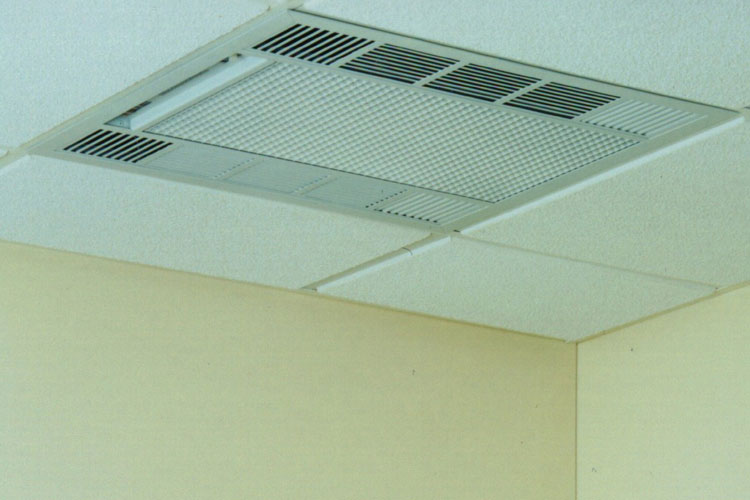
Strategies to Reduce Heat Loss from Ventilation
There are several effective ways to minimize unwanted heat loss while still maintaining healthy indoor air quality:
- Seal leaks and drafts: Use weatherstripping, caulk, and foam to close gaps around windows, doors, and other openings.
- Upgrade insulation: Proper insulation in walls, attics, and floors reduces the rate at which heat escapes.
- Install heat recovery systems: HRVs and ERVs can capture warmth from outgoing air and transfer it to incoming air, reducing the load on your heating system.
- Maintain and balance mechanical systems: Ensure fans, ducts, and vents are properly sized and maintained to avoid over-ventilation.
- Use programmable controls: Timers and smart controls can help limit ventilation to when it’s needed most, such as during cooking or bathing.
Implementing these strategies can help you strike a balance between fresh air and energy efficiency.
Balancing Indoor Air Quality and Energy Savings
While it’s tempting to simply seal up a building to prevent any heat from escaping, this can lead to poor indoor air quality and health issues. The goal is to manage airflow in a controlled way, ensuring that fresh air is supplied where needed without wasting energy. Modern building codes and standards now emphasize both airtight construction and mechanical ventilation with heat recovery to achieve this balance.
For those considering kitchen renovations or upgrades, integrating efficient ventilation solutions can also enhance the overall design and functionality of the space. For inspiration on combining aesthetics with efficiency, you might explore kitchen remodeling visual balance tips or cabinet color ideas for a refreshed look that doesn’t compromise on comfort.
FAQ
How much heat is typically lost through ventilation in a standard home?
In a typical home, ventilation can account for 20% to 30% of total heat loss, especially if the building is older or lacks modern insulation and airtightness. The exact amount depends on the air exchange rate, the efficiency of the ventilation system, and the quality of the building envelope.
Can reducing ventilation save on heating costs?
Yes, but it’s important to maintain adequate airflow for health and safety. Instead of simply reducing ventilation, focus on sealing unintended leaks and using controlled, energy-efficient systems such as heat recovery ventilators. This approach maintains air quality while minimizing unnecessary energy loss.
What are the best ways to improve ventilation efficiency?
Some of the most effective methods include sealing leaks, upgrading insulation, installing HRVs or ERVs, and ensuring that mechanical systems are properly sized and maintained. Using programmable controls and only ventilating when necessary can also help reduce energy waste.
Where can I learn more about whole-house ventilation?
For a detailed overview of ventilation systems and energy-saving options, visit the Department of Energy’s whole-house ventilation resource.