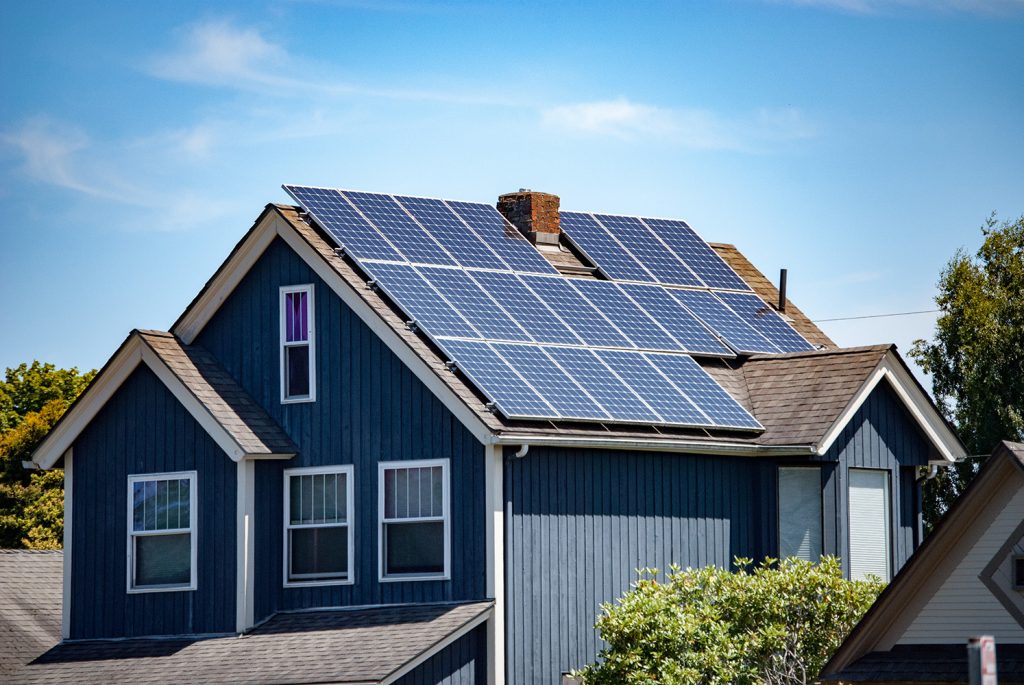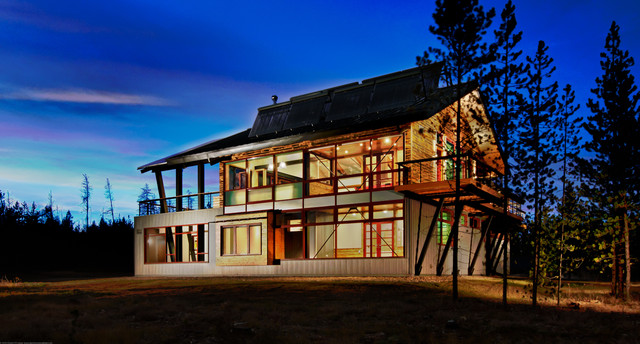

Transitioning to a net-zero home is a significant step toward sustainability, energy independence, and long-term cost savings. At the heart of this movement lies solar energy net-zero home systems, which enable homeowners to generate clean electricity and dramatically reduce their reliance on the grid. This article explores how solar technology integrates into net-zero designs, the essential components involved, and practical steps for planning a home that produces as much energy as it consumes.
Whether you’re building a new residence or retrofitting an existing one, understanding the fundamentals of solar-powered net-zero living can help you make informed decisions. We’ll also highlight related energy solutions, such as geothermal heating net-zero homes explained, to give you a broader view of the available technologies.
Understanding Net-Zero Homes and Solar Integration
A net-zero home is designed to produce as much energy as it consumes over the course of a year. Achieving this balance requires a combination of energy-efficient construction, advanced insulation, and on-site renewable energy generation. Among the various renewable options, solar energy systems are the most widely adopted due to their scalability, declining costs, and adaptability to different climates.
Solar panels, also known as photovoltaic (PV) modules, convert sunlight into electricity. When integrated into a net-zero design, these panels supply power for lighting, appliances, heating, and cooling. Excess energy generated during sunny periods can be stored in batteries or sent back to the grid, offsetting consumption during cloudy days or nighttime.
Key Components of Solar-Powered Net-Zero Home Systems
Building a home that leverages solar energy net-zero home systems involves several interconnected components. Here’s an overview of the main elements:
- Solar Panels (PV Modules): These are installed on the roof or ground and are responsible for converting sunlight into direct current (DC) electricity.
- Inverter: This device transforms DC electricity from the panels into alternating current (AC), which is used by household appliances.
- Energy Storage: Batteries store surplus energy for use during periods when solar production is low or demand is high.
- Energy Monitoring: Smart meters and monitoring systems track energy production and consumption, helping optimize usage and identify inefficiencies.
- Grid Connection: Most net-zero homes remain connected to the utility grid, allowing for net metering and backup power if needed.
For a deeper dive into other renewable options that complement solar, such as wind or geothermal, see renewable energy net-zero homes.
Design Considerations for Solar Net-Zero Homes
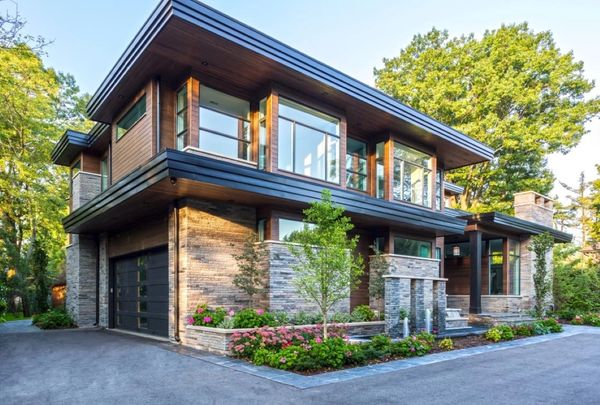
Success with solar energy net-zero home systems depends on thoughtful planning and design. Here are some critical factors to keep in mind:
- Orientation and Roof Pitch: Maximize sunlight exposure by orienting panels toward true south (in the Northern Hemisphere) and optimizing the roof angle.
- Shading: Avoid obstructions like trees or nearby buildings that could cast shadows on the solar array.
- Energy Efficiency: Reduce overall consumption with high-performance windows, insulation, and appliances. Resources like green insulation materials explained can help you select the best materials.
- System Sizing: Calculate your annual energy needs to determine the appropriate number of panels and battery capacity.
- Local Incentives: Investigate government rebates, tax credits, and net metering policies that can improve the return on investment.
It’s also important to work with experienced professionals who understand the unique requirements of net-zero construction and solar integration. For a step-by-step approach, review this comprehensive guide to designing a net-zero home.
Benefits of Solar-Powered Net-Zero Living
Homes that utilize solar energy net-zero home systems offer a range of advantages:
- Lower Utility Bills: By generating your own power, you can significantly reduce or even eliminate monthly electricity costs.
- Environmental Impact: Solar-powered homes produce fewer greenhouse gas emissions, supporting global efforts to combat climate change.
- Energy Independence: Homeowners are less vulnerable to utility rate hikes and power outages.
- Increased Property Value: Net-zero features are attractive to buyers and can boost resale value.
- Comfort and Health: High-performance building envelopes and efficient systems create a more comfortable indoor environment.
Challenges and Solutions in Solar Net-Zero Home Design
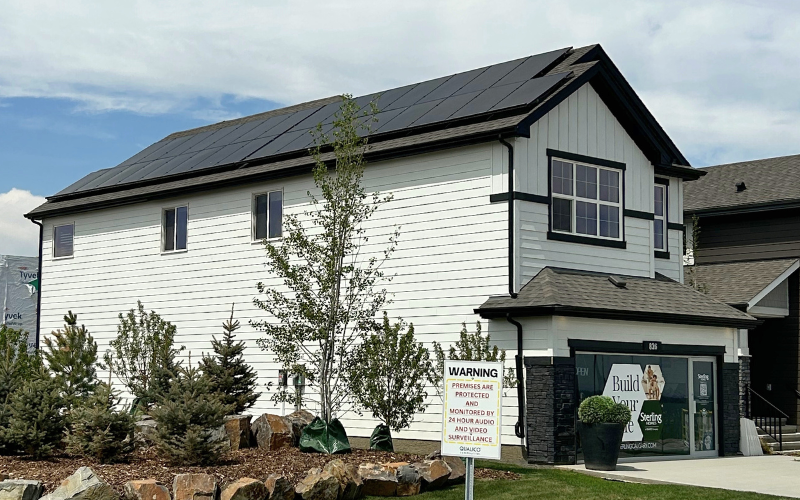
While the benefits are substantial, there are some challenges to consider with solar energy net-zero home systems:
- Upfront Costs: The initial investment for panels, batteries, and installation can be significant. However, incentives and long-term savings often offset these expenses.
- Space Requirements: Sufficient roof or land area is needed to accommodate enough solar panels to meet energy needs.
- Energy Storage: Battery technology is improving, but storage systems can add to the overall cost and complexity.
- Maintenance: Solar panels require minimal upkeep, but periodic cleaning and system checks are necessary for optimal performance.
Addressing these challenges involves careful planning, leveraging available incentives, and choosing reliable equipment. Consulting with professionals who specialize in net-zero construction can help you navigate these issues efficiently.
Complementary Strategies for Net-Zero Success
Solar is just one part of the equation. To maximize the effectiveness of your net-zero approach, consider integrating other high-performance building strategies:
- Use insulated concrete forms net-zero homes for superior thermal performance and durability.
- Explore wood framing net-zero homes guide for structural efficiency and sustainability.
- Pair solar with geothermal heating for year-round comfort and reduced energy use.
Combining these approaches with solar ensures your home remains comfortable, efficient, and environmentally responsible for decades to come.
FAQ: Solar Energy and Net-Zero Home Systems
How much solar do I need for a net-zero home?
The number of solar panels required depends on your home’s annual energy consumption, local climate, and panel efficiency. A professional energy audit and system sizing calculation will provide a precise answer tailored to your needs.
Can I achieve net-zero with solar alone?
Solar panels are a critical component, but achieving net-zero typically requires a holistic approach. This includes maximizing energy efficiency, using high-quality insulation, and possibly integrating other renewables or storage solutions.
What incentives are available for solar-powered net-zero homes?
Many regions offer tax credits, rebates, and net metering programs to encourage solar adoption. Check with local authorities and utility providers for current incentives that can reduce upfront costs and improve your return on investment.
Do solar net-zero homes require batteries?
Batteries are not strictly required if your home is grid-tied and net metering is available. However, adding storage increases resilience and allows you to use more of your own solar energy during outages or at night.
Conclusion
Embracing solar energy net-zero home systems is a practical and impactful way to reduce your carbon footprint, lower utility bills, and create a healthier living environment. By understanding the essential components, design considerations, and available incentives, you can confidently pursue a home that meets your sustainability goals. For those interested in a comprehensive approach, integrating solar with other renewable and high-performance building strategies will yield the best long-term results.