

Achieving a net-zero home is a major step toward sustainability, but understanding how to manage and benefit from excess energy production is equally important. This net metering net-zero homes guide explains how homeowners can leverage net metering to maximize the value of their renewable energy systems, reduce utility bills, and even earn credits for surplus power sent back to the grid.
Net-zero homes are designed to produce as much energy as they consume over the course of a year, often through solar panels, wind turbines, or other renewable sources. However, energy production and consumption rarely align perfectly at every moment. That’s where net metering comes in, providing a practical solution for balancing energy flows and making the most of your investment in clean energy.

For those interested in exploring more about sustainable home systems, see our detailed overview on solar energy net-zero home systems to understand how solar technologies integrate with net metering.
Understanding Net Metering and Its Benefits
Net metering is a billing arrangement that allows homeowners with renewable energy systems to feed excess electricity back into the utility grid. When your home generates more power than it uses, the surplus is exported, and your utility meter runs backward, earning you credits that offset the cost of electricity drawn from the grid when your system isn’t producing enough.
- Lower utility bills: Credits from excess energy reduce monthly charges.
- Efficient energy use: No need for costly, large-scale battery storage.
- Environmental impact: More renewable energy is supplied to the community grid.
Net metering policies vary by region and utility provider, so it’s important to check local regulations and incentives before installing a renewable energy system.
How Net-Zero Homes Utilize Net Metering
Homes designed to achieve net-zero status typically rely on a combination of high-efficiency appliances, advanced insulation, and renewable energy generation. When these homes produce more energy than they consume—especially during sunny or windy periods—net metering enables homeowners to receive full or partial retail value for their surplus electricity.
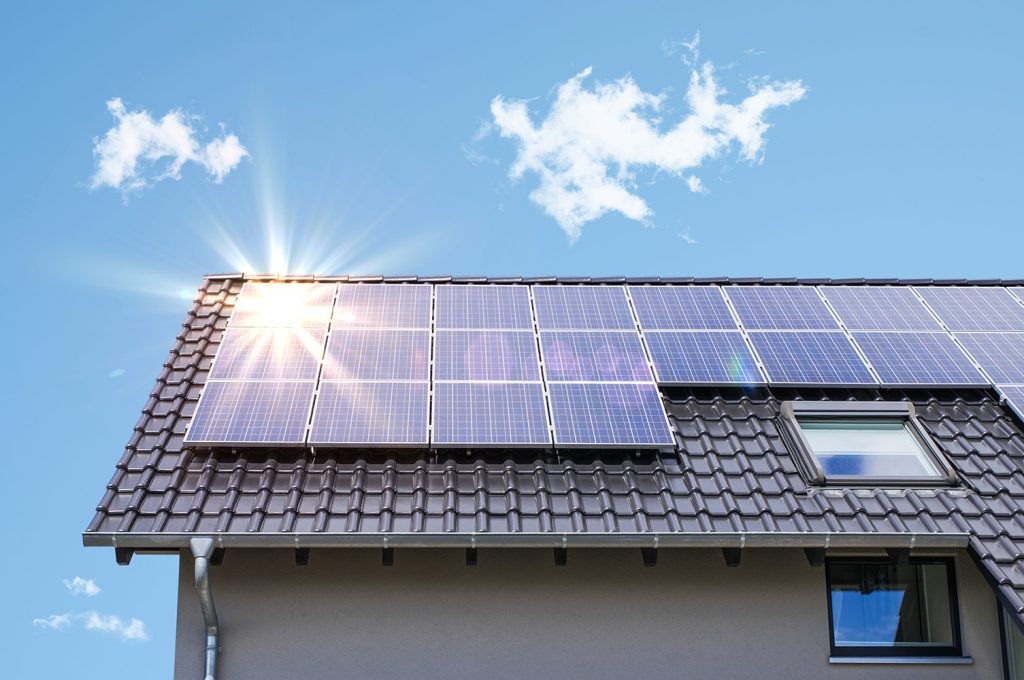
For example, during the day, solar panels may generate more power than the household needs. Through net metering, this excess is sent to the grid and tracked by the utility. At night or during cloudy days, when energy production drops, the homeowner can draw electricity from the grid, using previously earned credits to offset the cost.
To further optimize energy use, consider integrating technologies such as heat pumps for net-zero homes, which can significantly reduce overall consumption and maximize the benefits of net metering.

Key Components of a Net Metering System
To take advantage of net metering, your home needs:
- Renewable energy source: Most commonly solar panels, but wind turbines and other technologies also qualify.
- Bi-directional meter: This special utility meter tracks both the electricity consumed from the grid and the energy exported to it.
- Grid connection: Your system must be safely interconnected with the utility grid, following local codes and standards.
Some homeowners also install monitoring devices to track real-time energy production and consumption. Tools like smart energy monitors and thermal imaging cameras help identify inefficiencies and ensure your system is performing at its best.
Maximizing Value: Selling Excess Energy Back to the Grid
One of the main advantages of net metering for sustainable homes is the ability to turn surplus electricity into financial savings. Here’s how you can make the most of this opportunity:
- Monitor your energy patterns: Use smart devices to understand when your system produces the most energy and adjust usage accordingly.
- Schedule high-consumption activities: Run appliances like dishwashers or EV chargers during peak production hours to use your own renewable power directly.
- Stay informed about local policies: Some regions offer full retail credit for excess energy, while others may pay a lower rate. Understanding your utility’s rules helps you plan and budget effectively.
For a deeper dive into renewable energy options, see our article on renewable energy net-zero homes for practical advice on system selection and integration.
Comparing Net Metering Policies and Incentives
Net metering rules and incentives differ widely depending on where you live. Some states and countries offer generous credits at the full retail rate, while others provide lower compensation or limit the size of eligible systems. It’s important to:
- Research your local utility’s net metering program.
- Understand any caps or restrictions on system size or total credits.
- Stay updated on policy changes, as regulations can evolve over time.
For those planning a new build or major retrofit, reviewing net-zero energy home designs can help you design a home that maximizes both efficiency and eligibility for net metering benefits.
Integrating Net Metering with Other Sustainable Technologies
Combining net metering with other green technologies can further reduce your environmental impact and energy costs. Consider:
- Geothermal systems: Learn about geothermal heating net-zero homes explained for efficient, earth-powered heating and cooling.
- Wind energy: Explore wind energy net-zero residential use to see if small-scale wind turbines are a good fit for your location.
- Smart home automation: Automated systems can shift loads to periods of high renewable generation, increasing self-consumption and reducing reliance on the grid.
By integrating multiple technologies, you can create a resilient, future-ready home that takes full advantage of net metering and other incentives.
Common Challenges and Solutions for Homeowners
While net metering offers many advantages, homeowners may face a few challenges:
- Policy uncertainty: Net metering regulations can change, so stay informed and advocate for fair policies.
- Interconnection requirements: Utilities may require inspections or upgrades to ensure safe grid connection.
- System sizing: Oversizing your renewable system may not always yield extra financial benefit if credit rates are low or capped.
Working with experienced installers and staying engaged with local energy policy discussions can help you navigate these issues and maximize your investment.
FAQ: Net Metering and Net-Zero Homes
How does net metering help achieve a net-zero energy balance?
Net metering allows homeowners to offset periods of low renewable generation by earning credits for excess power sent to the grid. Over the course of a year, these credits can help balance out energy consumption and production, supporting a net-zero goal.
What types of renewable energy systems qualify for net metering?
Most commonly, solar photovoltaic systems are eligible, but many programs also include wind turbines, micro-hydro, and sometimes biogas or fuel cells. Always check your local utility’s list of approved technologies.
Can I make money by selling excess energy to the grid?
While net metering typically provides bill credits rather than direct payments, some regions offer programs where surplus energy can be sold at wholesale or retail rates. The financial return depends on local policies and your system’s size and output.
What happens if my system produces more energy than I use in a year?
Depending on your utility’s rules, unused credits may roll over to the next billing period, expire, or be paid out at a lower rate. It’s important to understand your provider’s specific policies regarding annual excess.
Conclusion
Leveraging net metering is a practical and effective way for net-zero homeowners to maximize the value of their renewable energy systems. By understanding local policies, monitoring energy use, and integrating complementary technologies, you can reduce costs, support the grid, and move closer to a truly sustainable lifestyle. For more insights on designing and optimizing your energy-efficient home, explore our related guides on solar, geothermal, and wind energy solutions.

