
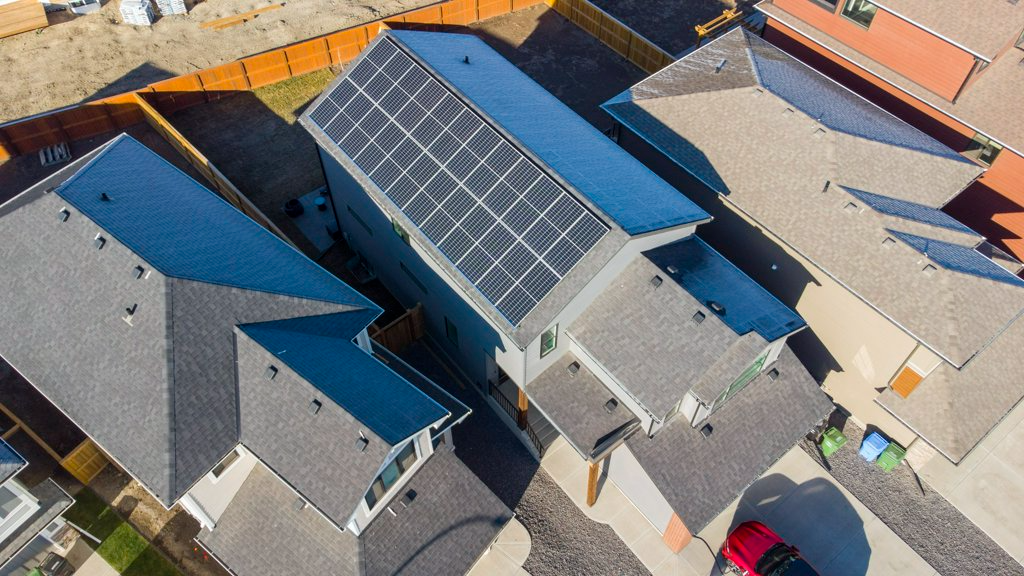

As the demand for sustainable living grows, more homeowners are turning to heat pumps for net-zero homes to achieve both comfort and energy efficiency. These advanced systems play a crucial role in reducing household energy consumption and carbon emissions, making them a cornerstone technology for anyone aiming to build or retrofit a residence that produces as much energy as it consumes.
Understanding how heat pumps work, their benefits, and how they integrate with other green building strategies is essential for making informed decisions about your home’s future. In this article, you’ll find practical information about choosing, installing, and optimizing heat pumps as part of a comprehensive net-zero approach. For those interested in complementary strategies, such as geothermal heating net-zero homes explained, exploring multiple technologies can further enhance your home’s efficiency and sustainability.
Why Heat Pumps Are Essential for Sustainable Homes
Heat pumps are highly efficient systems that transfer heat rather than generate it, making them a smart choice for those seeking to minimize their environmental impact. Unlike traditional furnaces or air conditioners, these devices use electricity to move heat from one place to another, providing both heating and cooling with remarkable efficiency.
For net-zero residences, where the goal is to balance energy use with renewable generation, heat pumps offer several advantages:
- Lower Energy Consumption: They use significantly less electricity compared to electric resistance heaters or conventional HVAC systems.
- Reduced Carbon Footprint: When powered by renewable sources, heat pumps can operate with near-zero emissions.
- Year-Round Comfort: These systems provide both heating in winter and cooling in summer, eliminating the need for separate units.
- Integration with Other Technologies: Heat pumps work well alongside solar panels, advanced insulation, and smart home controls.
With the right design and installation, heat pumps can help homeowners meet stringent energy targets and achieve true net-zero performance.
Types of Heat Pumps Suitable for Net-Zero Applications
There are several types of heat pumps, each with unique features and best-use scenarios. Selecting the right model is key to maximizing efficiency and comfort in a net-zero environment.
Air-Source Heat Pumps
Air-source models are the most common and are well-suited for most climates. They extract heat from the outside air and transfer it indoors during winter, then reverse the process in summer. Modern air-source units are highly efficient, even in colder regions, thanks to advancements in inverter technology and refrigerants.
Ground-Source (Geothermal) Heat Pumps
These systems leverage the stable temperatures underground to provide even greater efficiency. While installation costs are higher due to the need for buried loops, ground-source heat pumps deliver consistent performance and can be an excellent fit for those seeking long-term energy savings. For a deeper dive into this technology, see our guide on geothermal heating net-zero homes explained.
Ductless Mini-Split Systems
Mini-split heat pumps are ideal for homes without existing ductwork or for room-by-room zoning. They offer flexibility, quiet operation, and high efficiency, making them a popular choice for retrofits and new builds alike.
Design Considerations for Integrating Heat Pumps in Net-Zero Projects
To maximize the benefits of heat pumps in a low-energy home, thoughtful planning and integration are essential. Here are some key considerations:
- Building Envelope: High-performance insulation and airtight construction reduce heating and cooling loads, allowing for smaller, more efficient heat pump systems. For guidance on insulation, see green insulation materials explained.
- System Sizing: Oversized or undersized units can lead to inefficiency and discomfort. Work with a qualified professional to calculate the correct capacity based on your home’s size, orientation, and thermal performance.
- Distribution: Consider whether ducted, ductless, or hybrid distribution is best for your layout. Properly sealed and insulated ducts are critical for efficiency.
- Renewable Integration: Pairing heat pumps with solar photovoltaic systems can offset their electricity use, pushing your home closer to net-zero status.
Incorporating these elements from the design stage ensures that your heating and cooling system works harmoniously with the rest of your home’s energy-saving features.
Installation and Maintenance Best Practices
Proper installation is vital for optimal performance. Choose experienced contractors familiar with both heat pump technology and net-zero construction. Here are some tips to keep in mind:
- Location: Install outdoor units in shaded, well-ventilated areas to enhance efficiency and longevity.
- Regular Maintenance: Clean or replace filters, check refrigerant levels, and inspect components annually to maintain peak performance.
- System Monitoring: Use smart energy monitors to track usage and identify opportunities for further savings. Tools like the Emporia Vue 3 can help you visualize your home’s energy profile.
Routine care and monitoring not only extend the life of your heat pump but also ensure that your home remains comfortable and efficient year-round.
Maximizing Efficiency: Complementary Strategies
While heat pumps are a powerful tool for achieving net-zero goals, their effectiveness increases when combined with other sustainable building practices. Here are a few strategies to consider:
- Renewable Energy: Install solar panels or wind turbines to generate clean electricity for your heat pump and other home systems. Learn more about integrating renewables in renewable energy net-zero homes.
- High-Performance Windows: Triple-glazed, low-emissivity windows reduce heat loss and gain, easing the load on your heating and cooling system.
- Efficient Framing and Construction: Techniques like advanced wood framing or insulated concrete forms can further minimize thermal bridging and energy loss. Explore these methods in our wood framing net-zero homes guide and insulated concrete forms net-zero homes articles.
- Smart Controls: Programmable thermostats and zoning systems allow you to fine-tune comfort and reduce unnecessary energy use.
By layering these solutions, you can create a resilient, comfortable, and truly sustainable living environment.
Cost, Incentives, and Return on Investment
The upfront cost of installing a heat pump system can be higher than that of traditional HVAC equipment, especially for ground-source models. However, the long-term savings on energy bills and maintenance often offset the initial investment. Additionally, many regions offer rebates, tax credits, and incentives for adopting energy-efficient technologies.
For a comprehensive look at the financial and environmental benefits of building to net-zero standards, see this overview of net-zero home building. Factoring in incentives and energy savings, most homeowners find that the payback period for heat pump systems is shorter than expected, especially when paired with renewable energy generation.
Frequently Asked Questions
Are heat pumps effective in cold climates?
Yes, modern air-source heat pumps are designed to operate efficiently even in cold regions. Advances in technology allow them to extract heat from the air at temperatures well below freezing. Ground-source models are even more stable, as they draw from the earth’s consistent underground temperature.
How do I choose the right size heat pump for my home?
Proper sizing is crucial for efficiency and comfort. A qualified HVAC professional will perform a load calculation based on your home’s insulation, size, orientation, and climate. Avoid guessing or oversizing, as this can lead to short cycling and reduced performance.
Can I use a heat pump with my existing ductwork?
In many cases, yes. However, it’s important to have your ductwork inspected for leaks and proper insulation. Some older systems may require modifications or may be better suited to ductless mini-split solutions for optimal efficiency.
What maintenance do heat pumps require?
Routine maintenance includes cleaning or replacing filters, checking refrigerant levels, and having a professional inspect the system annually. Keeping the outdoor unit clear of debris and ensuring proper airflow will help maintain efficiency and prolong the system’s lifespan.
How do heat pumps contribute to net-zero energy goals?
By using electricity to transfer heat rather than generate it, heat pumps dramatically reduce energy consumption. When powered by renewable sources, they enable homes to achieve net-zero energy use by balancing consumption with on-site generation.

